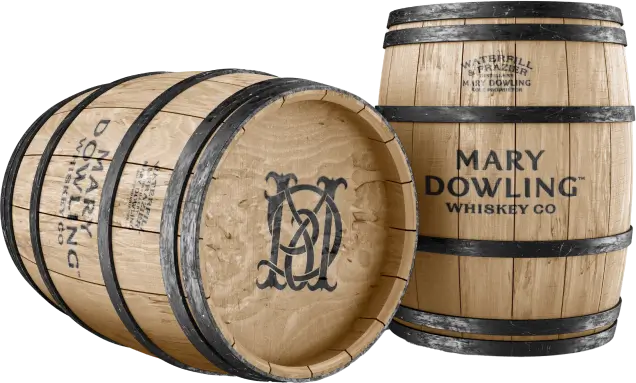
Every great spirit tells a story of transformation. A raw, clear distillate enters a barrel, and through a quiet conversation with wood and time, it emerges as something entirely new—deeper, smoother, and infinitely more complex. As whiskey lovers, we know this story well. In the world of tequila, this narrative unfolds in the journey from Blanco to Reposado and then to Añejo. While time is the obvious difference, the true artistry lies in the details of maturation. We’re going to explore exactly what happens inside that cask, so you can fully appreciate the craft behind the anejo vs reposado tequila barrel finish and choose the perfect bottle for any occasion.
Key Takeaways
- Time in the Barrel Sets the Stage: The essential difference is aging. A Reposado’s shorter “rest” of 2-12 months creates a smooth balance between agave and oak, while an Añejo’s longer stay of 1-3 years develops a much deeper, more complex character reminiscent of a fine whiskey.
- The Barrel Is an Active Ingredient: More than just a container, the oak barrel actively shapes the spirit. It imparts signature flavors like vanilla and caramel, adds rich amber color, and mellows the tequila for a smoother, more refined finish.
- Match the Spirit to the Moment: Use Reposado’s bright, balanced profile for refreshing cocktails where citrus shines. Reserve the rich, complex notes of an Añejo for sipping neat or for spirit-forward drinks, like a Tequila Old Fashioned, where its character can be the star.
Añejo vs. Reposado: What’s the Real Difference?
When you step into the world of aged tequila, you’ll immediately hear two words: Reposado and Añejo. While they might sound similar, the experience of sipping each is distinct, and it all comes down to their time spent in a barrel—a concept any whiskey lover can appreciate. The real story isn’t just about how long they’re aged, but how that aging process transforms the spirit from the inside out. Let’s break down exactly what sets these two expressions apart, so you can choose the perfect one for your next cocktail or neat pour.
Understand the Aging Requirements
The primary difference between Reposado and Añejo tequila is time. The names themselves give us a clue: “Reposado” means “rested,” while “Añejo” translates to “aged” or “old.” According to the official tequila aging classifications, a Reposado tequila must rest in an oak barrel for at least two months but less than a year. This brief stay gives it a subtle smoothness and a hint of golden color. An Añejo, on the other hand, takes a longer nap. It must be aged for a minimum of one year, and often stays in the barrel for up to three years. This extended aging period is what begins to build a much deeper character and complexity in the spirit.
Discover the Role of Barrel Finishing
So, what actually happens during that time in the barrel? This is where the magic lies. Barrel finishing does more than just hold the liquid; it actively shapes its final profile. The oak barrel imparts its own distinct flavors—like vanilla, caramel, and spice—while also adding a beautiful amber color. The longer the tequila ages, the more pronounced these characteristics become. The wood also plays a crucial role in mellowing the spirit by removing harsher flavors through a process called oxygenation. This interaction is what transforms a bright, agave-forward blanco into a smooth, nuanced Reposado and, eventually, a rich and complex Añejo.
How Barrels Shape Tequila’s Flavor
If you’re a fan of fine bourbon, you already know that the barrel is much more than a simple container. It’s an active ingredient, a vessel where time and wood work together to transform a raw spirit into something complex and beautiful. The same principle applies to aged tequila. When a clear Blanco tequila enters an oak barrel, a remarkable transformation begins. The wood imparts everything from its deep amber color to its rich aromas and signature flavors.
The final character of a Reposado or Añejo is a direct result of the choices a distiller makes about their barrels. Every detail matters—the type of oak, the size of the cask, whether it’s new or used, and how deeply it’s been toasted or charred. Each of these factors is a lever the master distiller can pull to shape the spirit’s final profile, creating a unique expression that tells a story of wood, spirit, and time. Understanding these nuances is the key to appreciating what makes each bottle of aged tequila special.
American vs. French Oak: A Flavor Showdown
The two main types of wood used for aging tequila are American and French oak, and each brings its own distinct personality to the spirit. Think of it like choosing a key spice for a recipe; the one you pick will define the entire dish. American oak, which is the standard for bourbon barrels, is known for imparting sweeter, bolder notes. You can expect flavors of vanilla, caramel, and even a hint of coconut or dill. It gives the tequila a classic, robust character that many bourbon drinkers find familiar and comforting.
French oak, on the other hand, has a finer grain and higher tannin content, which lends a more subtle and spicy profile. When tequila is aged in French oak, it often develops elegant notes of baking spices, toasted almond, and a touch of mocha. The choice between them is a crucial one for the distiller, as it sets the foundational flavor profile for the aging process.
Why Barrel Size Matters
When it comes to aging spirits, size definitely matters. The smaller the barrel, the more contact the liquid has with the wood. This increased surface-area-to-volume ratio accelerates the maturation process, allowing the tequila to extract color and flavor from the oak more quickly. To ensure a quality interaction between the spirit and the wood, tequila regulations state that barrels should be no larger than 600 liters.
A distiller might use smaller barrels to impart intense oak characteristics over a shorter period, which is perfect for crafting a bold Reposado. Larger barrels will age the spirit more slowly and gently, allowing subtler flavors to develop over the longer time required for an Añejo. This careful calculation of time and wood contact is a core part of the art of aging, allowing distillers to precisely guide the spirit toward its intended character.
New vs. Used Barrels: What to Expect
Just as important as the type of wood is its history. A new, or “virgin,” oak barrel will impart the purest, most intense wood flavors. Because the barrel hasn’t held any other liquid, the tequila gets a “clean” infusion of oak, resulting in a spirit with prominent notes of vanilla, caramel, and spice directly from the wood itself. This approach gives the distiller maximum control over the oak’s influence.
However, many tequila producers prefer to use barrels that have previously held other spirits, most commonly American whiskey. These ex-bourbon barrels come pre-seasoned, contributing not only their own oak character but also the subtle, lingering notes of the award-winning whiskeys they once held. This can add incredible layers of complexity, weaving in hints of honey, dried fruit, and rich caramel that complement the agave spirit beautifully. This practice creates a bridge between the worlds of whiskey and tequila, resulting in a spirit that is both unique and comfortingly familiar.
The Impact of Char and Toast Levels
Before a barrel is ever filled, its interior is treated with fire through toasting or charring. While they might sound similar, these two techniques have very different effects on the wood and, ultimately, the tequila. Toasting is a process of heating the wood slowly, which caramelizes the natural wood sugars and breaks down compounds like lignin into vanillin—the source of that lovely vanilla note. A light toast might bring out delicate floral and fruit notes, while a heavy toast can yield rich flavors of coffee and chocolate.
Charring is a more intense process where the inside of the barrel is set on fire for a short period. This creates a layer of charcoal that acts as a natural filter, smoothing out the spirit by removing harsher compounds. The char also contributes deep, sweet flavors of toffee, molasses, and a hint of smoke. The specific level of char and toast is another tool distillers use to craft a signature flavor profile, adding one more layer of artistry to the aging process.
Tasting Notes: What to Expect from Reposado and Añejo
The time a tequila spends in an oak barrel does more than just change its color; it completely transforms its character. As the spirit rests, it pulls flavors and compounds from the wood, softening its sharp edges and building layers of complexity. This interaction between agave and oak is where the magic happens, creating two distinct expressions with unique personalities. While both Reposado and Añejo share a common origin, their time in the barrel sets them on different paths. One offers a bright, smooth profile that’s incredibly versatile, while the other delivers a rich, contemplative experience perfect for slow sipping. Understanding these differences is key to finding the right tequila for the right moment.
The Smooth, Subtle Notes of Reposado
Think of Reposado as the perfect bridge between the raw, vegetal character of a Blanco and the deep, woody notes of an Añejo. Having rested in oak for at least two months but less than a year, it picks up a gentle smoothness without losing its agave soul. The first sip often reveals soft notes of vanilla and caramel, a direct gift from the barrel. This is balanced by a hint of spice and honey, with some of the fresh citrus and cooked agave flavors still shining through. It’s a beautifully balanced spirit that’s approachable and easy to enjoy, making it a fantastic introduction to the world of aged tequilas.
The Rich Complexity of Añejo
If Reposado is the smooth introduction, Añejo is the deep conversation. Aged for one to three years, this tequila has spent enough time in oak to develop a much richer and more profound flavor profile. The vanilla and oak notes are deeper and more pronounced, often joined by warmer spices like cinnamon and clove. You’ll also likely discover notes of dried fruits, butterscotch, and toasted nuts, creating a complex tapestry of flavor that evolves with every sip. The bright agave notes take a backseat, allowing the barrel’s influence to take center stage. An Añejo is a true sipping tequila, meant to be savored slowly, much like a fine bourbon or scotch.
How Barrels Mellow the Spirit
A barrel is much more than a simple container; it’s an active ingredient in the aging process. The wood’s porous nature allows the tequila to breathe, which helps soften the harsher, more volatile compounds in the young spirit. This mellowing effect rounds out the tequila’s edges, creating a smoother, more approachable mouthfeel. At the same time, the barrel imparts its own character. The science of barrel aging involves the extraction of compounds like vanillin (which gives us vanilla notes) and tannins from the wood, adding layers of flavor and structure. The longer the tequila ages, the more pronounced this transformation becomes, turning a fiery young spirit into something rich and refined.
From Clear to Amber: Watching Tequila Age
One of the most immediate ways to see the barrel’s impact is by looking at the tequila’s color. A freshly distilled Blanco tequila is perfectly clear. After just a couple of months in a barrel, a Reposado takes on a beautiful pale straw or light golden hue. This color comes directly from the compounds in the oak. As the aging continues into Añejo territory (one year or more), that color deepens into a rich, warm amber or even a dark mahogany. This visual change is a direct indicator of the flavor transformation happening inside. The darker the color, the more time the spirit has spent interacting with the wood, promising a richer and more complex tasting experience.
Is Older Always Better? The Art of Aging Tequila
In the world of spirits, it’s a common belief that a higher age statement automatically means a better bottle. But is that always the case? As any bourbon lover knows, age is just one part of the story. The real magic lies in the art of maturation—a delicate dance between the spirit, the wood, and time. While a longer rest in the barrel can certainly create a more complex and refined tequila, it’s not a simple waiting game. The type of barrel, the climate, and the distiller’s intent all play crucial roles in shaping the final product.
Think of it this way: aging doesn’t just add years; it adds character. The barrel acts as both a filter and a flavor-infuser, mellowing the raw spirit while layering in new notes of vanilla, spice, and oak. It’s a process of transformation, not just timekeeping. An older tequila isn’t necessarily “better” than a younger one, just different. A vibrant Reposado might be perfect for a lively cocktail, while a deep, contemplative Añejo is ideal for sipping slowly by the fire. Ultimately, the “best” tequila is subjective and depends entirely on your personal palate and the occasion. Understanding what happens inside that barrel is the key to appreciating what’s in your glass and choosing the right expression for the moment.
The Science of Flavor Extraction
A barrel is much more than a simple container; it’s an active ingredient in the tequila-making process. As the spirit rests inside, a fascinating transformation takes place. The wood imparts its own distinct flavors—like vanilla, caramel, and spice—and gives the tequila its beautiful amber color. At the same time, the barrel breathes. This process, known as oxygenation, allows harsh compounds in the spirit to soften, resulting in a much smoother finish. The charred interior of the barrel also acts like a charcoal filter, further refining the liquid and removing undesirable flavors. It’s a beautiful exchange that turns a clear, fiery spirit into something rich and nuanced.
How Time Builds Character
The main difference between a Reposado and an Añejo is the time they spend in the barrel. Reposado, meaning “rested,” ages for two months to just under a year. Añejo, or “aged,” must stay in the barrel for at least one to three years. This extended time allows the Añejo to have a much deeper conversation with the wood. The aging process gives Añejo its signature complexity, often revealing notes of dried fruit, cinnamon, and chocolate that you won’t find in its younger counterparts. It’s the difference between a quick sear and a slow roast—both are delicious, but time builds an entirely different depth of flavor.
Why You Pay More for Aged Spirits
When you see a higher price tag on an Añejo, you’re not just paying for a number on a label. You’re paying for time, patience, and resources. For every year a spirit sits in a barrel, a portion of it evaporates—a phenomenon distillers call the “angel’s share.” This means there is simply less tequila to bottle after three years than there was after three months. Additionally, producers have to account for the cost of the barrels themselves and the warehouse space needed to store them for years. So, that higher price reflects the distiller’s investment and the scarcity of the final product, making longer aging a true commitment to craftsmanship.
Reposado or Añejo: Which One Should You Pour?
Choosing between Reposado and Añejo tequila isn’t about finding the “best” one—it’s about matching the spirit to the moment. Both get their beautiful amber color and complex flavors from spending time in oak barrels, a process we deeply appreciate in the whiskey world. The key difference is simply time. Reposado, meaning “rested,” ages for two months to a year, giving it a smooth, approachable character. Añejo, or “aged,” rests for one to three years, developing a much richer and more profound flavor profile.
Think of it this way: Reposado is your versatile friend, ready for a lively party or a casual sip. Añejo is for those quieter, more contemplative moments, much like a fine bourbon. Your choice ultimately comes down to what you’re doing, what you’re mixing (if anything), and the kind of experience you want to create. Whether you’re crafting a bright, citrusy cocktail or settling in with a glass to sip slowly, there’s a perfect aged tequila waiting for you.
The Best Moments for Reposado
Reposado is the ideal choice when you’re looking for a spirit that’s both smooth and vibrant. Its time in the barrel softens the agave’s edge while adding gentle notes of vanilla, oak, and honey that play beautifully with fresh citrus. This makes it perfect for brighter, more refreshing cocktails. Think of a sunny afternoon on the patio or a lively dinner with friends—that’s Reposado’s time to shine. It has enough character to be sipped on its own, but its true strength lies in its ability to elevate a classic Margarita or a bubbly Paloma without overpowering the drink’s fresh ingredients.
When to Savor an Añejo
When the evening calls for a spirit to be savored, reach for an Añejo. With at least a year spent in oak, Añejo tequila takes on the rich, complex characteristics that whiskey drinkers will find familiar and inviting. Expect deeper flavors of cinnamon, dried fruits, vanilla, and rich cooked agave. This is a sipping tequila, meant to be enjoyed neat or with a single large ice cube to slowly unlock its layers of flavor. Pour a glass after dinner or settle into a comfortable chair with it. An Añejo offers a robust and warming experience, making it the perfect companion for a quiet conversation or a moment of reflection.
How to Use Them in Cocktails
When mixing drinks, a simple rule of thumb is to match the spirit’s character to the cocktail’s profile. Reposado’s brighter, subtler oak notes are perfect for cocktails where you want the tequila to complement other fresh ingredients, especially citrus. Use it in drinks like a Tequila Sour or a classic Paloma. Añejo, with its rich and dominant flavor profile, stands up beautifully in more spirit-forward cocktails. Treat it like you would a fine whiskey and try it in a Tequila Old Fashioned or a Manhattan variation, where its complex notes of oak and spice can take center stage.
How to Properly Taste and Serve Aged Tequila
Once you’ve chosen a bottle of Reposado or Añejo, the experience is just beginning. Serving aged tequila with the same care you’d give a fine whiskey allows its complex character to shine. The right glass, temperature, and even a few well-chosen food pairings can transform a simple drink into a memorable tasting. It’s all about creating the best conditions to appreciate the spirit’s journey from agave to barrel to bottle.
Choose the Right Glass and Temperature
To get the most out of your aged tequila, pour it into a snifter or a traditional whiskey glass. The curved shape of a snifter is perfect for capturing the tequila’s intricate aromas, directing them upward for you to enjoy before you even take a sip. For the purest expression of flavor, it’s best to serve aged tequila neat and at room temperature. This allows the full spectrum of notes—from warm vanilla and caramel to earthy agave and oak—to come forward. If you prefer your drink chilled, use a single large ice cube. It will melt slowly, cooling the spirit without diluting its carefully crafted character too quickly.
Simple Tasting Techniques to Try
Tasting tequila is an experience for all the senses. Start by observing the color. Notice the rich amber and golden hues that the barrel has imparted. Give the glass a gentle swirl to release the aromas, then bring it to your nose and inhale. Try to identify different scents—do you smell oak, dried fruit, or spice? Next, take a small sip and let the tequila rest on your tongue for a moment before swallowing. Pay attention to the initial taste, the feel of it in your mouth, and the lingering finish. While Reposados and Añejos are fantastic for sipping, they also make incredible cocktails. You can find plenty of cocktail inspiration to get you started.
Find the Perfect Food Pairings
Pairing aged tequila with the right foods can create a fantastic flavor experience. The smooth, oak-influenced notes of a Reposado go beautifully with savory dishes like chicken mole or grilled vegetables. Its subtle sweetness also complements creamy desserts like flan or caramel custard.
An Añejo, with its deeper and more complex profile, stands up to richer flavors. Try sipping it alongside a piece of high-quality dark chocolate or with a platter of aged cheeses like Gouda and Parmesan. The tequila’s notes of toffee and dried fruit also make it a perfect match for grilled meats, creating a smoky and satisfying combination that’s hard to beat.
Start Building Your Tequila Collection
Ready to move beyond the occasional margarita and start appreciating aged tequila? Building a collection is a fantastic way to explore the nuances that barrel finishing brings to the spirit. It’s not about having the most bottles, but about curating a selection that you genuinely enjoy and are proud to share. Just like with fine bourbon, a little knowledge goes a long way in helping you select spirits with character and depth. By learning how to read a label, store your bottles correctly, and spot good value, you can confidently choose tequilas that deliver incredible flavor. Think of it as building your personal library of taste—here’s what to know before you start.
How to Read a Tequila Label
The first thing to look for on any bottle is the phrase “100% de Agave” or “100% Blue Agave.” This is your guarantee of quality. To be called tequila, a spirit only needs to be 51% blue agave, but the best tequilas are always 100%. Next, check the classification, which tells you how long it was aged. As you know, Reposado (“rested”) is aged for at least two months, while Añejo (“aged”) spends at least a year in barrels. This information is your first clue to the flavor profile inside. A clear understanding of these tequila types is the foundation of any great collection.
Store Your Bottles Like a Pro
Once you bring a great bottle home, you want to protect its flavor. Proper storage is simple but crucial. Always store your tequila upright in a cool, dry place away from direct sunlight and heat. Light and temperature swings can degrade the complex compounds that create the spirit’s aroma and taste. Unlike wine, you don’t want the liquid touching the cork, as the high alcohol content can cause the cork to break down over time. Make sure the bottle is sealed tightly to prevent evaporation and oxidation. Taking these small steps ensures that every time you pour a glass, you’re tasting the tequila exactly as the distiller intended.
Find the Best Value for Your Money
When it comes to aged spirits, price often reflects time. The longer tequila ages in barrels, the more its flavor changes, becoming richer and more complex—and it also usually becomes more expensive. An Añejo tequila is generally more expensive than a Reposado because that extra time in the barrel costs money and allows for more flavor to develop. But “value” doesn’t just mean finding the cheapest option. It means finding a bottle that delivers an exceptional tasting experience for its price. A great Reposado that showcases the perfect balance of agave and oak can be a better value than a mediocre, overpriced Añejo.
Related Articles
- Can You Mix Bourbon and Tequila?
- Bourbon and Tequila Cocktail: 4 Must-Try Recipes
- Best Bourbon Finished in Tequila Barrels to Try
Frequently Asked Questions
If I’m a bourbon drinker, which one should I try first? If you love sipping your bourbon neat, I’d suggest starting with an Añejo. Its extended time in the barrel creates those rich, warm notes of vanilla, caramel, and spice that will feel familiar and comforting to your palate. However, if you want to understand how the agave spirit itself interacts with the wood, try a Reposado. It offers a beautiful balance where the bright, earthy agave notes are complemented, not overshadowed, by the oak.
Can I use Reposado and Añejo interchangeably in a margarita? You certainly can, but be prepared for two very different drinks. A Reposado is fantastic in a classic margarita because its subtle oak notes complement the fresh lime without overpowering it, creating a smooth, balanced cocktail. Using an Añejo will result in a much richer, more spirit-forward drink where the deep barrel notes take center stage. Think of it as turning your margarita into something closer to a Tequila Old Fashioned—delicious, but a completely different experience.
Is Añejo just a Reposado that’s been aged longer? While time is the technical difference, it’s more of a transformation than a simple extension. The extra years an Añejo spends in a barrel don’t just add more oak flavor; they create an entirely new depth and complexity. The spirit integrates more deeply with the wood, pulling out richer notes of dried fruit, leather, and baking spices while mellowing into something exceptionally smooth. It’s the difference between a quick chat and a long, meaningful conversation.
What is “Extra Añejo” and how is it different? Extra Añejo is a category for tequilas aged for more than three years in oak barrels. This is where tequila truly begins to resemble a very old, fine spirit like a cognac or a well-aged single malt scotch. The influence of the barrel is profound, resulting in a dark, incredibly complex spirit with dominant notes of chocolate, coffee, and tobacco. It’s a true sipping spirit meant for special occasions and is the ultimate expression of the art of aging.
Why is there such a big price difference between the two? The price jump from Reposado to Añejo comes down to time and resources. For every year a spirit rests in a barrel, a portion of it evaporates—this is famously called the “angel’s share.” That means there is physically less tequila to bottle from a three-year-old barrel than a one-year-old one. Add in the cost of the barrels and the expense of storing them for years, and you’re paying for the distiller’s patience and the scarcity of the final product.

Justin Pakdaman is the Marketing Director for Mary Dowling Whiskey Co., where he leads brand storytelling, digital strategy, and consumer engagement. Justin has years of experience building premium spirits brands.