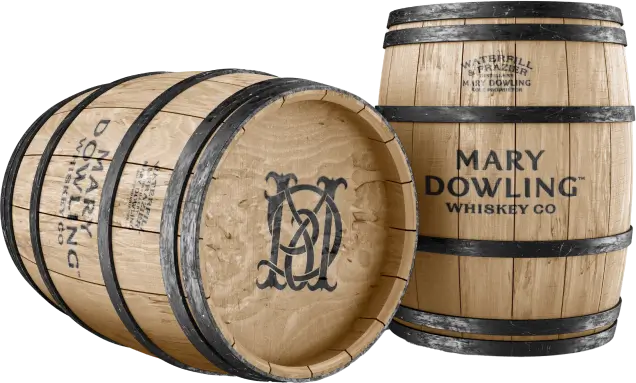
What happens when the deep, sweet notes of caramel and vanilla from a classic Kentucky bourbon meet the bright, earthy spice of an agave spirit? You get a tasting experience that is both wonderfully familiar and thrillingly new. This isn’t a random experiment; it’s a deliberate and artful process known as barrel finishing. By resting fully matured whiskey in casks that once held tequila, distillers create a complex and layered spirit that tells a story of two distinct worlds. This guide is your introduction to the captivating category of bourbon aged in reposado barrels. We’ll break down the unique flavor profile, explain how the two spirits complement each other, and show you how to best enjoy this incredible fusion.
Key Takeaways
- The Finish Adds Complexity, Not Overpowers: Finishing bourbon in reposado tequila barrels creates a partnership of flavors. Expect the classic caramel and vanilla notes of bourbon to be enhanced by a subtle, earthy spice from the agave spirit.
- Balance is the Distiller’s Art: This unique taste comes from a meticulous process of selecting the right barrels and carefully timing the secondary aging to ensure the tequila notes complement the bourbon’s character without dominating it.
- Sip Simply to Appreciate the Nuances: To get the full experience, start by tasting this bourbon neat or with a splash of water. Its layered profile is best highlighted in spirit-forward cocktails or with rich food pairings like dark chocolate.
Why Age Bourbon in Tequila Barrels?
The world of whiskey is full of tradition, but it’s also driven by a spirit of relentless innovation—a trait Mary Dowling herself would have championed. Distillers are constantly exploring new ways to create unique and memorable flavors, and one of the most exciting techniques is barrel finishing. By aging bourbon in casks that previously held other spirits, they can add incredible layers of depth and complexity.
Finishing bourbon in tequila barrels is a perfect example of this creative process. It’s a bold move that marries the rich, sweet character of American whiskey with the vibrant, earthy notes of agave. This practice results in a spirit that’s both familiar and surprisingly new, offering a tasting experience that stands out from the crowd. Let’s break down how this fascinating combination comes to life.
A Quick Bourbon Refresher
Before we get into the finish, let’s start with the basics. To be called bourbon, a whiskey must be made in the U.S. from a grain mixture that is at least 51% corn. More importantly, it has to be aged in new, charred oak barrels. This step is non-negotiable and is the source of bourbon’s signature flavors. The charring of the wood caramelizes its natural sugars, imparting those classic notes of vanilla, toffee, and caramel into the spirit. This foundational process of bourbon aging creates the rich, smooth character that serves as the perfect canvas for a secondary finish.
What is a Reposado Tequila Barrel?
Now for the other side of the equation. “Reposado” means “rested” in Spanish, and it’s a category of tequila that is aged in oak barrels for anywhere from two months to a year. Unlike unaged blanco tequila, this resting period allows the spirit to mellow and pick up characteristics from the wood. A quality reposado develops a smoother, more complex profile with hints of vanilla, caramel, and spice. Once the tequila is bottled, the barrels retain the essence of the agave spirit, making them ideal for lending new flavors to whiskey. For anyone curious, this beginner’s guide to tequila is a great place to start.
How the Double-Barrel Finish Works
This is where the two worlds collide. After a bourbon has matured in its new charred oak barrels, distillers transfer it to a used reposado tequila barrel for a secondary aging period, or “finish.” This can last for several months, giving the bourbon time to interact with the tequila-seasoned wood. The bourbon soaks up the subtle, earthy agave notes and hints of citrus left behind in the barrel staves. This process doesn’t overpower the bourbon but rather complements it, adding a bright, spicy layer to the whiskey’s deep caramel and oak foundation. The result is a beautifully integrated spirit that honors both its bourbon roots and its adventurous finish.
What Does Reposado-Aged Bourbon Taste Like?
When you pour a bourbon finished in reposado tequila barrels, you’re getting a spirit that tells a story of two distinct worlds. It’s a beautiful fusion where the rich, comforting character of Kentucky bourbon meets the vibrant, earthy soul of Mexican tequila. This isn’t about one flavor overpowering the other; it’s a collaboration. The process creates a complex and layered tasting experience that’s both familiar and thrillingly new. Think of it as your favorite bourbon taking an exciting vacation and coming back with some incredible stories to tell. Let’s break down exactly what you can expect on the palate.
Starting with Classic Bourbon Notes
Before we get to the tequila influence, it’s important to remember the foundation. Every great reposado-finished bourbon starts as a great bourbon. That means you’ll first encounter those classic, beloved notes that come from aging in charred new oak barrels. You can expect a welcoming sweetness with deep layers of caramel, warm vanilla, and a pleasant touch of toffee. The charred barrel also imparts a gentle smokiness and a solid oak backbone that gives the spirit its structure. These are the hallmarks of a quality bourbon and the canvas on which the reposado finish will paint.
What the Reposado Barrel Adds
This is where the magic happens. Once the bourbon has matured, it’s transferred to barrels that previously held reposado tequila. These barrels are seasoned with the flavors of blue agave. The finishing process allows the bourbon to soak up these unique characteristics, adding a whole new dimension to the spirit. The reposado cask introduces a subtle, peppery spice and a hint of cooked agave, which beautifully complements the bourbon’s inherent sweetness. You might also notice some brighter citrus or light floral notes that cut through the richness, creating a wonderfully balanced and intriguing profile.
Tasting Notes: When Agave Meets Oak
When you take a sip, you’ll experience a delightful interplay between the two spirits. The initial taste is often classic bourbon—caramel and vanilla forward—but the mid-palate and finish are where the reposado influence truly shines. The oak and spice from the bourbon mingle with the earthy, slightly vegetal notes of agave. You might find flavors of black pepper, cinnamon, and even a whisper of dark chocolate or tobacco. This creates a complex spirit that evolves in the glass, making each sip a new discovery. It’s this unique combination that defines our whiskeys and their unconventional character.
How It Compares to Traditional Bourbon
A traditional bourbon is a beautiful thing, known for its straightforward notes of sweet corn, caramel, and oak. A reposado-finished bourbon, however, offers a more intricate experience. While a standard bourbon’s flavor profile is shaped solely by new charred oak, the use of a secondary barrel introduces an entirely new set of flavors from its previous contents. The agave notes from the reposado cask add a savory, spicy complexity that you just won’t find in its traditional counterpart. It’s a bourbon for those who appreciate the classics but are also looking for a spirit that pushes boundaries and offers a truly memorable tasting journey.
Bottles to Look For
Ready to add a bottle of reposado-finished bourbon to your home bar? This unique style is gaining traction, but it’s still a bit of a specialty item. You might not find it at every corner liquor store, but the search is part of the fun. Think of it as a treasure hunt for your tastebuds.
Because this double-barreling process requires extra time, resources, and expertise, these bourbons are often released as limited editions or small-batch offerings from distilleries known for pushing boundaries. You’ll find them from both established brands experimenting with new flavor profiles and craft distillers making a name for themselves with innovative techniques. The key is to know what to look for and where to search. From well-regarded premium bottles to hidden craft gems, here’s a guide to help you find the perfect pour.
Standout Premium Bourbons
If you want a reliable and celebrated example of this style, some larger distilleries have released fantastic expressions. A great one to look for is Bear Fight Kentucky Reserve, a high-rye bourbon that spends time in reposado tequila casks. This finishing process gives it a unique character, adding notes of vanilla and a hint of smoke to the classic bourbon spice. It’s a beautifully balanced whiskey that showcases how well the flavors of agave and corn can complement each other. These premium bottles are often a great introduction to the category because they are crafted with consistency and quality in mind, giving you a solid benchmark for what a reposado finish can achieve.
Discover Small-Batch Gems
For those who love the thrill of discovery, the world of craft distilling is where you’ll find some of the most exciting experiments. Small-batch distilleries are often more agile, allowing them to play with unique barrel finishes. While you might see more tequilas aged in bourbon barrels, like the collaborations between Corazon and Buffalo Trace, the reverse is becoming a signature of innovative craft producers. Keep an eye on local distilleries or brands known for their experimental series. These releases are often limited and highly sought after, but they offer a one-of-a-kind tasting experience that reflects the distiller’s creative vision.
Where to Find Your Bottle
Finding these specialized bourbons can take a little detective work. Your best bet is to start at well-stocked, independent liquor stores with a knowledgeable staff—they often carry a wider variety of craft and limited-edition spirits. Don’t be afraid to ask them for recommendations! You can also check online retailers, which often have a broader selection than brick-and-mortar shops. And of course, visiting distillery gift shops or tasting rooms is a fantastic way to find exclusive releases. To find premium spirits near you, you can always check a store locator to see what local retailers carry.
What to Expect on the Price Tag
Given the extra steps involved, reposado-finished bourbons typically come with a premium price tag. The cost reflects the quality of the barrels, the additional aging time, and the small-batch nature of many of these releases. Think of it as an investment in a unique tasting experience rather than an everyday sipper. Prices can vary widely, but you should expect to pay more than you would for a standard bourbon. Many of these tequilas are finished in top-tier bourbon barrels, and that quality is reflected when the process is reversed. It’s a bottle you’ll want to save for a special occasion or share with fellow whiskey lovers who appreciate true craftsmanship.
How Distillers Perfect the Finish
Creating a truly exceptional bourbon finish is where science meets art. It’s a meticulous process that goes far beyond simply pouring whiskey into a barrel and waiting. For a spirit as unique as a reposado-finished bourbon, distillers rely on a combination of deep knowledge, sensory skill, and a touch of intuition. Every decision, from the barrel’s origin story to the climate of the rickhouse, plays a critical role in shaping the final flavor. This careful craftsmanship ensures that each sip delivers the complexity and character you expect from a premium spirit. It’s a testament to the distiller’s dedication, turning raw ingredients into a rich, layered experience that honors tradition while pushing boundaries.
Choose the Right Barrels
The journey to a perfect finish begins with the barrel itself. It’s not just any container; it’s the most influential ingredient after the whiskey. For a reposado finish, distillers seek out specific casks with a rich history. As one supplier notes, “These reposado tequila barrels began their life as oak bourbon barrels before being used to produce and age handmade, small-batch tequila from Jalisco, Mexico.” This double-life is what makes them so special. The barrel staves, already seasoned with classic bourbon notes, become deeply infused with the earthy, citrusy character of agave. When the bourbon is introduced for its secondary aging, the barrel imparts these unique flavors, creating a beautiful fusion that you can’t achieve any other way. It’s a thoughtful choice that sets the stage for a truly distinctive spirit.
How Climate Shapes the Flavor
Once the bourbon is in its finishing barrel, the surrounding climate gets to work. The location of the rickhouse isn’t just for storage; it’s an active partner in the aging process. Temperature fluctuations are key. As one distillery explains, “Temperature changes (hot summers, cold winters) make the barrels ‘breathe,’ pulling bourbon into and out of the wood.” This constant expansion and contraction pushes the spirit deep into the tequila-soaked staves and then pulls it back out, bringing all those complex flavors with it. During this process, a small amount of alcohol evaporates through the wood—a romantic phenomenon known as the Angel’s Share. This interaction with the wood is what mellows the spirit and builds its rich, layered profile.
Why Timing is Everything
Knowing exactly how long to let the bourbon rest in the finishing barrel is a master distiller’s most critical call. There’s no magic number; it’s all about taste and experience. The goal is to find the perfect balance where the reposado notes complement the bourbon without overpowering it. The constant expansion and contraction of the whiskey inside the wood is a key part of how finishing affects the flavor. Too little time, and you’ll miss the subtle agave and spice. Too much, and you risk losing the bourbon’s core identity. Distillers sample the spirit regularly, trusting their palate to decide the precise moment the whiskey has reached its peak.
Ensure a High-Quality Finish
The final step is all about quality control and ensuring the finished product is exactly what the distiller envisioned. After the spirit has spent the right amount of time in the barrel, it has absorbed a symphony of new flavors. As one source on whiskey barrel-aged spirits notes, “After aging, the spirit takes on woody, caramel notes with hints of vanilla, spice, and smoke. The longer it ages, the more pronounced those flavors become.” The distiller’s job is to confirm that these new layers are perfectly integrated with the bourbon’s original character. This involves rigorous tasting sessions to check for balance, complexity, and a smooth finish. It’s this final, careful evaluation that guarantees every bottle delivers a consistent and exceptional experience, worthy of a spot on your shelf.
How to Best Enjoy Your Bourbon
You’ve found a special bottle of bourbon, one with a story and a unique finish that sets it apart. Now comes the best part: enjoying it. While there’s no single “correct” way to drink whiskey, a few simple techniques can help you fully appreciate the complex character of a spirit like Mary Dowling’s Tequila Barrel bourbon. It’s all about creating an experience that allows the distiller’s craft to come through in every sip.
From the glass you choose to the food you pair it with, every detail can shape your tasting experience. Think of it as setting the stage for the main event. We’ll walk through the best ways to serve your bourbon, explore food pairings that complement its profile, mix cocktails that let its unique notes shine, and cover the simple steps to store your bottle properly. These aren’t rigid rules, but rather starting points for you to discover how you best enjoy your bourbon.
The Right Way to Serve It
To truly appreciate the layers of flavor in a reposado barrel-aged bourbon, start simple. Pour a measure into a glass—a classic rocks glass or a Glencairn work beautifully—and let it sit for a moment. Your first sip should be neat, with no additions. This gives you a pure sense of the whiskey’s character. Then, add a small splash of water. This isn’t about diluting it; it’s about chemistry. A little water can open up the bourbon, softening the alcohol’s intensity and allowing subtle notes of vanilla, oak, and agave to come forward.
Perfect Food Pairings
A bourbon with a rich profile of woody, caramel, and spice notes is a fantastic partner for food. The key is to find flavors that complement, rather than compete with, the spirit. Think of savory, rich dishes. The smoky char of grilled meats or the saltiness of aged cheeses like sharp cheddar or gouda can stand up to the bourbon’s boldness. For a sweet pairing, you can’t go wrong with dark chocolate. The slightly bitter notes of the chocolate create a beautiful contrast with the bourbon’s inherent sweetness, making for a truly memorable after-dinner treat.
Cocktails That Let It Shine
When you’re working with a premium, finished bourbon, you want cocktails that highlight its unique character, not hide it. Simple, spirit-forward classics are your best bet. An Old Fashioned is the perfect choice, as the sugar and bitters are there only to accent the bourbon’s existing vanilla and spice notes. A Manhattan also works beautifully, allowing the whiskey’s complexity to blend with the sweet vermouth. For more inspiration, you can explore a list of bourbon-centric recipes that are designed to let the spirit be the star of the show.
How to Store Your Bottle
Properly storing your bourbon is the easiest way to protect its quality and flavor for years to come. Just remember three simple things: keep it upright, cool, and dark. Storing the bottle upright ensures the high-proof spirit doesn’t interact with the cork over time, which could affect the flavor and the seal. A cool, dark place like a cabinet or pantry is ideal, as it prevents temperature swings and exposure to sunlight. Light and heat are the enemies of good whiskey, as they can degrade the delicate flavor compounds the distiller worked so hard to create.
Related Articles
- Best Bourbon Finished in Tequila Barrels to Try
- Tequila-Finished Bourbon Guide: Flavor & Picks | Mary Dowling Whiskey Co.
- The 7 Best Double Barrel Bourbons to Try in 2025
- Double Barrel Bourbon Meaning: A Complete Guide
- Mary Dowling Tequila Barrel Bourbon | Mary Dowling Whiskey
Frequently Asked Questions
Will bourbon aged in tequila barrels taste like I’m drinking tequila? Not at all. Think of the tequila barrel as an accent, not the main event. The process is about adding layers and complexity. The bourbon spends the vast majority of its life in new charred oak, developing its classic caramel and vanilla character. The time in the reposado barrel is just a final touch, lending subtle notes of earthy agave and spice that complement the bourbon’s profile without overpowering it. You’ll know you’re drinking bourbon, but one with a uniquely bright and interesting finish.
Is a tequila-finished whiskey still legally considered a bourbon? Yes, it is. The legal requirements for bourbon center on its initial creation and aging process: made in the U.S., at least 51% corn, and aged in new charred oak barrels. As long as a whiskey meets all those standards first, it earns its title as a bourbon. The secondary aging in a used tequila cask is considered a “finishing” step. This additional process doesn’t change its original classification; it just adds a unique chapter to its story.
What’s the difference between aging bourbon in tequila barrels and aging tequila in bourbon barrels? This is a great question that gets to the heart of how barrel aging works. It all comes down to which spirit is the base and which is the influence. When you age bourbon in a used tequila barrel, the bourbon is the star, and it picks up subtle agave notes. When you age tequila in a used bourbon barrel (creating an añejo or extra añejo tequila), the tequila is the star, and it soaks up the classic vanilla and caramel notes from the bourbon-seasoned wood. Both create delicious, complex spirits, but they start and end in very different places.
Is this type of bourbon too complex for cocktails? While I always recommend trying a spirit like this neat first to appreciate the distiller’s work, it absolutely shines in the right cocktail. The key is to choose recipes that highlight the bourbon rather than hide it. Stick to simple, spirit-forward classics like an Old Fashioned or a Manhattan. The unique agave and spice notes from the finish will add a fantastic new dimension to these familiar drinks, creating a cocktail that is both classic and completely new.
Why is this finishing process so special? Isn’t it just a trend? Barrel finishing is a true art form that requires immense skill and patience. It’s a deliberate choice by a distiller to create a specific, nuanced flavor profile that you can’t get any other way. Sourcing high-quality reposado barrels, determining the perfect amount of time for the secondary aging, and constantly tasting to ensure the balance is just right is a meticulous process. It’s a testament to craftsmanship and a desire to push boundaries, resulting in a spirit that is truly one-of-a-kind.

Justin Pakdaman is the Marketing Director for Mary Dowling Whiskey Co., where he leads brand storytelling, digital strategy, and consumer engagement. Justin has years of experience building premium spirits brands.