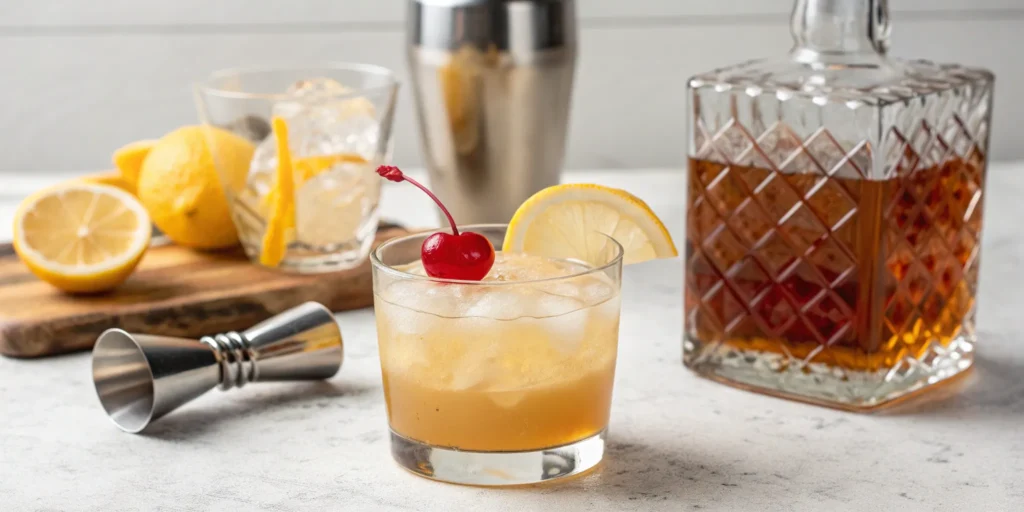
Some cocktails are more than just a drink; they’re a piece of history. The Whiskey Sour has roots stretching back to the 19th century, a testament to a simple formula that just works. It’s a drink born of resilience and ingenuity, much like the story of Mary Dowling herself. Making one is about more than just mixing ingredients—it’s about connecting with a tradition of American spirits. This guide will not only provide you with a flawless bourbon whiskey sour recipe but will also honor the craft behind it. We’ll explore how the right bourbon provides the soul of the drink, creating a classic that feels both historic and perfectly modern.
Key Takeaways
- Fresh Juice is Non-Negotiable: The single best way to improve your sour is by using freshly squeezed lemon juice. It provides a bright, authentic flavor that bottled mixes can’t match, allowing the complex notes of a quality bourbon to shine through.
- Embrace the Two-Step Shake: For a silky, professional-quality foam, always shake your ingredients without ice first (a dry shake) to build texture. Then, add ice and shake again to chill and dilute the drink to perfection.
- Use the 2:1:1 Ratio as Your Starting Point: Begin with the classic formula of two parts bourbon, one part lemon juice, and one part sweetener. Once you’ve mastered that balance, experiment by adjusting the sweetness or trying variations to find your personal favorite.
What Is a Bourbon Whiskey Sour?
The Bourbon Whiskey Sour is one of those iconic cocktails that never goes out of style. It’s a beautifully simple mix of bourbon, fresh lemon juice, and a touch of sweetener, often with an optional egg white for a silky, frothy texture. The magic is in its balance—the way the rich, warm notes of the bourbon play against the bright, tart citrus. It’s a drink that feels both sophisticated and incredibly approachable, making it a favorite for happy hours, dinner parties, and quiet nights in. Whether you’re just starting your cocktail journey or are a seasoned pro, mastering the Whiskey Sour is a rite of passage.
A Quick History of This Classic Cocktail
This isn’t some trendy new concoction; the Whiskey Sour is a true classic with deep roots. The first known mention of the recipe appeared in a bartender’s guide way back in 1862, but its origins likely go back even further. Think of sailors in the 18th century who mixed spirits with lime or lemon juice to fight off scurvy on long voyages. They were essentially creating the first sours. This simple, effective formula has stood the test of time, evolving slightly but always retaining its core identity as a perfectly balanced, refreshing drink that lets the whiskey shine.
Why Bourbon Makes the Perfect Base
While you can technically make a sour with any whiskey, bourbon is the classic choice for a reason. Its inherent sweetness, derived from a corn-heavy mash bill, provides the perfect counterpoint to the sharp lemon juice. The notes of vanilla, caramel, and oak that come from aging in charred oak barrels add a layer of complexity that other spirits can’t quite match. The type of bourbon you pick really changes the taste of the drink, allowing you to customize the experience. This versatility is central to American whiskey heritage and makes bourbon the ideal foundation for this iconic drink.
Gather Your Essential Ingredients
A truly exceptional cocktail starts with high-quality components. The Bourbon Sour is a beautiful example of how just a few simple ingredients can come together to create something complex and satisfying. But don’t let that simplicity fool you—the quality of each element matters immensely. Think of it like this: you wouldn’t build a house with flimsy materials, and you shouldn’t build your cocktail with anything less than the best. From the bourbon you select to the juice you squeeze, every choice you make will directly impact the final taste. Let’s walk through what you’ll need to craft a Bourbon Sour that honors the legacy of its classic roots while tasting perfectly modern and delicious.
How to Choose the Right Bourbon
The bourbon is the soul of this cocktail, so choosing the right one is your most important decision. You don’t need to reach for the most expensive bottle on your shelf—in fact, save those special pours for sipping neat. Instead, aim for a quality, mid-range bourbon with a balanced flavor profile that can stand up to the citrus and sugar. A bourbon with notes of vanilla, oak, and caramel will complement the tartness of the lemon beautifully. When you’re ready to make your selection, explore our collection of Mary Dowling whiskeys, which are crafted to be both bold and nuanced, making them a perfect foundation for this timeless drink.
Fresh vs. Bottled Lemon Juice: No Contest
If there’s one non-negotiable rule for making a great sour, it’s this: always use fresh lemon juice. This isn’t a place to cut corners. Bottled lemon juice often contains preservatives and lacks the bright, zesty punch of a freshly squeezed lemon. That vibrant, aromatic flavor is essential for cutting through the richness of the bourbon and the sweetness of the syrup. Taking a minute to squeeze a lemon yourself is the single easiest step you can take to improve your cocktail. The difference in taste is immediate and undeniable, giving your drink a lively character that bottled juice simply can’t replicate.
Simple Syrup and Other Sweeteners
The sweetener’s job is to create harmony between the strong bourbon and the tart lemon. The classic recipe calls for a 2:1:1 ratio (two parts whiskey, one part lemon, one part sweetener) using simple syrup. You can easily make your own simple syrup by dissolving equal parts sugar and water. For a richer, more complex flavor, try swapping the simple syrup for pure maple syrup. Its subtle caramel and woody notes are a fantastic match for the oaky character of bourbon, adding a layer of warmth and depth that makes the cocktail feel even more special.
The Great Egg White Debate
To add an egg white or not? That is the question. Adding an egg white (a variation known as a Boston Sour) transforms the drink’s texture, giving it a silky, creamy body and a beautiful, frothy top. And don’t worry—it won’t make your drink taste like eggs. It simply adds richness and mouthfeel. If you’re hesitant about using raw egg, you can use pasteurized egg whites. For a vegan alternative, a splash of aquafaba (the liquid from a can of chickpeas) works wonders, creating a similar frothy texture without any animal products.
How to Make a Bourbon Sour: A Step-by-Step Guide
Crafting a memorable Bourbon Sour is all about the technique. It’s simpler than you think, and following these steps will help you create a perfectly balanced and beautifully frothy cocktail every time. Let’s get started.
Get Your Tools Ready
Before you start mixing, gather your essential tools. You’ll need a cocktail shaker, a jigger for accurate measuring, and a strainer. Having everything ready makes the process feel effortless and fun. A jigger is especially important for getting the sweet and sour elements just right, which is the heart of this cocktail. If you’re just starting to build your home bar, these three items are the perfect foundation for countless classic drinks. Grab them now, and you’re ready for the magic.
Master the Dry Shake Technique
The secret to that iconic, velvety foam is the dry shake. This step is essential if you’re using an egg white. Combine your bourbon, lemon juice, simple syrup, and egg white in your shaker without any ice. Seal it and shake as hard as you can for about 30 seconds. This technique, known as emulsification, whips air into the egg white, creating a rich, creamy texture before you add any dilution. It’s a simple trick that makes a world of difference.
The Art of Shaking and Straining
After the dry shake, it’s time to chill the drink. Open your shaker, fill it with ice, and seal it tightly. Now, shake again for about 15 seconds, or until the outside of the shaker is frosty cold. This “wet shake” chills the cocktail to the perfect temperature and adds just the right amount of water to soften the flavors. Once chilled, immediately strain the contents into your chosen glass, leaving the shaker ice behind. This two-step shaking process is the key to achieving that ideal balance of texture and temperature.
Select the Right Glassware
The final touch is choosing the right glass. For a classic, elegant look, serve your Bourbon Sour “up” (without ice) in a chilled coupe glass. This style beautifully showcases the frothy head. If you prefer your drink on the rocks, an Old Fashioned glass with a single large ice cube is a fantastic choice. The large cube melts slowly, keeping your drink cold without watering it down too quickly. There’s no wrong answer here—it’s all about the presentation and experience you want to create.
Which Bourbon Works Best for a Whiskey Sour?
The bourbon you choose is the heart and soul of your Whiskey Sour. While the lemon provides the bright, tart kick and the simple syrup adds sweetness, the bourbon lays the foundation with its complex character, history, and warmth. This classic cocktail has been around since the 19th century, and its enduring popularity is a testament to its simple yet perfect formula. At its core, it’s a showcase for the spirit, so selecting the right bourbon is not just a step—it’s the most important decision you’ll make.
The right bottle will harmonize with the other ingredients, creating a cocktail that’s perfectly balanced and deeply satisfying. But with so many options out there, how do you pick the perfect one? It’s all about finding a bourbon with a profile that can stand up to the citrus without overpowering it. You want a spirit that’s smooth enough to be approachable but has enough character to make its presence known. Think of it as casting the lead role in a play—you need a star that can share the stage gracefully while still commanding attention. Let’s walk through what to look for in terms of price, flavor, and our personal favorites from the Mary Dowling collection that will make your Whiskey Sour unforgettable.
Finding the Right Price and Flavor Profile
When making a cocktail, it’s tempting to reach for either the cheapest bottle you can find or the most expensive one to make it “special.” I’d suggest aiming for the middle ground. A quality, mid-priced bourbon is the sweet spot for a Whiskey Sour. You want a spirit with enough complexity and smoothness to shine, but you don’t need to use a rare, top-shelf bottle whose delicate nuances might get lost behind the lemon and sugar.
Save those prized bourbons for sipping neat or with a single ice cube. For mixing, choose a reliable, well-crafted bourbon that you enjoy drinking on its own but won’t feel guilty about shaking into a cocktail. This ensures your drink has a solid, flavorful base without breaking the bank.
Bourbon Notes That Complement Citrus
The key to a truly memorable Whiskey Sour is the interplay between the bourbon’s warmth and the lemon’s bright acidity. To achieve this, look for a bourbon with specific flavor notes that naturally complement citrus. Bourbons with strong undercurrents of caramel, vanilla, and honey provide a rich sweetness that beautifully balances the tart lemon juice.
Additionally, a bourbon with a touch of baking spice—think cinnamon or nutmeg—can add a wonderful layer of complexity. A hint of oak from the barrel aging process also provides a sturdy backbone that keeps the cocktail from feeling too one-dimensional. These notes create a conversation in the glass, where the spirit and the citrus enhance one another instead of competing for attention.
Our Mary Dowling Whiskey Recommendations
For a Whiskey Sour that defies convention, we recommend using one of our uniquely finished whiskeys. Each one brings a distinct character that adds a memorable twist to this classic cocktail. Our Mary Dowling Toasted Barrel Finish is an excellent choice. Its notes of light smoke, caramel, and citrus create a natural harmony with the lemon, while the toasted oak finish adds a smooth, lingering warmth.
If you’re feeling more adventurous, try the Mary Dowling Tequila Barrel Finish. The tequila barrel imparts a subtle smokiness and a vibrant citrus note that makes the cocktail truly special. It’s a nod to Mary’s own resilient and innovative spirit, creating a drink that’s both familiar and excitingly new. Both of these expressions have the boldness to stand up in a cocktail while offering a unique story in every sip.
Bourbon Sour Variations to Try Next
Once you’ve perfected the classic bourbon sour, you have a fantastic foundation for experimenting. Think of the original recipe as your canvas. A few simple tweaks can completely transform the drink by adding new layers of flavor, texture, and visual appeal. These variations are some of the most popular for a reason—they’re delicious, easy to make, and a great way to impress your guests. Each one offers a unique experience, from a silky, frothy texture to a stunning red wine float. Let’s explore a few twists on this timeless cocktail.
The Boston Sour: For a Frothy Texture
If you love a cocktail with a rich, velvety mouthfeel, the Boston Sour is for you. This version is a classic sour with an egg white added before shaking. The egg white doesn’t add much flavor, but it creates a beautiful, silky texture and a thick, frothy foam on top. To get that perfect foam, use a ‘dry shake’ (shaking without ice first) to help it emulsify. For anyone hesitant about using raw eggs, aquafaba (the liquid from a can of chickpeas) is a fantastic vegan substitute that works just as well.
The New York Sour: Add a Red Wine Float
For a drink that’s as beautiful as it is delicious, meet the New York Sour. This elegant variation takes the standard recipe and tops it with a float of dry red wine. To create the signature layered look, slowly pour the wine over the back of a spoon so it rests on top. The result is a stunning visual and a more complex flavor. The tartness of the sour is balanced by the fruity, tannic notes of the wine, creating a sophisticated sip. A dry, full-bodied red like a Malbec or a Cabernet Sauvignon is an excellent choice for your float.
The Maple Bourbon Sour: A Sweeter Twist
Here’s a simple swap that makes a world of difference. The Maple Bourbon Sour substitutes maple syrup for the traditional simple syrup, introducing a wonderful warmth and complexity. You get notes of caramel and vanilla from the maple syrup, which pair perfectly with the oak and spice in a quality bourbon. It adds a richer, deeper sweetness without being cloying. Just be sure to use pure maple syrup, not pancake syrup, to get that authentic, nuanced flavor that makes this sweet twist so special.
Common Mistakes to Avoid
Making a truly exceptional Bourbon Whiskey Sour is all about the details. While the recipe seems straightforward, a few common missteps can be the difference between a decent drink and a spectacular one. The good news is that these mistakes are incredibly easy to fix. From the ingredients you choose to the way you shake your cocktail, small adjustments can completely transform your final result. Let’s walk through the most frequent errors and how you can sidestep them to ensure every sour you make is perfectly balanced, beautifully textured, and absolutely delicious. Think of these not as rules, but as the insider tips that will make you the go-to cocktail expert among your friends.
Why You Should Skip Pre-Made Sour Mix
Let’s get this one out of the way first: please, step away from the pre-made sour mix. While it promises convenience, it almost always delivers an overly sweet, artificial-tasting drink that masks the beautiful complexity of the bourbon. A true Whiskey Sour gets its character from the tension between bright, fresh citrus and rich whiskey. Bottled mixes are often loaded with high-fructose corn syrup and preservatives that create a cloying, one-note flavor. Squeezing a fresh lemon takes only a moment and is the single most important thing you can do to improve your cocktail. The vibrant, authentic taste of fresh ingredients is what makes this classic shine.
Simple Fixes for Your Shaking Technique
If your sours are falling flat and lack that beautiful, foamy top, the culprit is likely your shaking technique. The biggest mistake you can make, especially when using egg white, is not performing a dry shake first. This means shaking all your ingredients in the shaker without ice. This initial shake allows the proteins in the egg white to emulsify and aerate, creating that signature silky, rich foam. After about 15 seconds of vigorous dry shaking, you can add ice and shake again to chill and dilute the drink. This two-step process is the secret to achieving a professional-level texture every time.
How to Avoid Common Bourbon Selection Errors
When you have a special, top-shelf bourbon, the instinct might be to use it in your cocktail. However, this is often a mistake. A very expensive, nuanced whiskey is best enjoyed on its own, as the strong flavors of lemon and sugar will cover up its delicate notes. Instead, you should choose a quality, mid-priced bourbon with a bold enough character to stand up to the other ingredients. You want a spirit that is smooth but assertive. Our Mary Dowling whiskeys, with their unique barrel finishes and rich history, are crafted to be both sippable and perfectly suited for classic cocktails, providing the ideal backbone for your sour.
Perfect Your Garnish and Presentation
Don’t treat the garnish as an afterthought; it’s the finishing touch that signals you’ve crafted something special. The traditional garnish for a Whiskey Sour is a simple orange slice and a quality cocktail cherry. These aren’t just for looks—the aroma of the orange peel and the sweet pop of the cherry complement the drink’s flavor profile beautifully. While you can get creative, avoid anything that will overwhelm the cocktail. A simple, elegant garnish is always the best choice. Serving it in the right glass, typically a rocks glass or a coupe, also completes the experience, making that first sip even more satisfying.
Perfect Your Whiskey Sour Technique
Once you have the basic steps down, you can start refining your process to create a truly exceptional whiskey sour every single time. Think of it like perfecting a signature dish—the difference between a good cocktail and a great one often comes down to a few small, intentional details. Mastering these techniques will give you the confidence to not only follow a recipe but to truly understand the art behind it.
We’ll focus on three key areas that can transform your drink: finding the perfect balance of flavors, managing temperature and dilution for the ideal texture, and adding a final flourish with a beautiful garnish. These aren’t complicated steps, but they are the secrets that professional bartenders use to make their drinks stand out. By paying attention to the sweet-to-sour ratio, the chill of your shaker, and the final presentation, you’ll be crafting bar-quality cocktails right in your own kitchen. It’s all about turning a simple recipe into your own signature creation.
Find Your Ideal Sweet-to-Sour Ratio
The heart of any great sour is the balance between sweet and tart. A fantastic starting point is the classic recipe ratio: two parts whiskey, one part fresh lemon juice, and one part simple syrup. This 2:1:1 formula is a time-tested foundation that ensures no single ingredient overpowers the others.
Once you’re comfortable with that, feel free to play with it. Do you prefer a tarter, more bracing drink? Try pulling back slightly on the simple syrup. Have a bit of a sweet tooth? Add just a touch more. The goal is to find the combination that tastes best to you. Think of the classic ratio as your starting point, not a strict rule. Your personal preference is what makes it the perfect cocktail.
Control for Temperature and Dilution
Temperature and dilution are the secret weapons of a well-made cocktail. You want your whiskey sour to be ice-cold, which makes it crisp and refreshing. The key is to shake your ingredients vigorously with plenty of ice until the outside of your shaker feels frosty. This not only chills the liquid but also adds the perfect amount of water, which mellows the alcohol and marries the flavors together.
If you’re using an egg white, you’ll want to use a technique called a “dry shake.” This means shaking all your ingredients without ice first. This step allows the egg white to emulsify and create a rich, silky foam. Then, you add ice and shake again to chill and dilute the drink before straining.
Get Creative with Your Garnishes
The garnish is your cocktail’s finishing touch—it’s the first thing you see and smell. While a simple orange slice and a quality cherry are the traditional choices, you can easily add a touch of modern sophistication. An expressed orange or lemon peel is a wonderful option; just twist a strip of peel over the glass to release its fragrant oils before dropping it in.
For a truly stunning presentation, especially on a foamy egg-white sour, try adding a few drops of Angostura bitters on top of the foam. You can then use a cocktail pick to gently drag through the drops, creating an elegant pattern. This not only looks beautiful but also adds a subtle layer of aromatic spice that complements the bourbon perfectly, adding visual appeal to every sip.
How to Serve and Pair Your Cocktail
A beautifully made cocktail deserves a thoughtful presentation. Serving your Bourbon Whiskey Sour is about creating an experience that highlights the drink’s balanced flavors. From the perfect garnish to complementary food pairings, these final touches show you care about the details. And if you’re hosting a crowd, thinking ahead about batching and prep can make your event feel effortless, letting you enjoy the party right alongside your friends. It’s all about working smarter so you can focus on what really matters: connecting over a fantastic drink. Let’s walk through how to serve, pair, and prepare your cocktails like a pro.
Food Pairings That Complement Your Drink
The right garnish is the finishing touch that makes a cocktail feel complete. For a Bourbon Whiskey Sour, a classic orange slice and a quality maraschino cherry are always a great choice. Their subtle sweetness plays perfectly against the cocktail’s tart citrus notes. When it comes to food, you want snacks that can stand up to the drink’s bold flavor without overpowering it. Think savory and rich. A platter with sharp cheddar or salty prosciutto is a fantastic option. Smoked almonds also provide a wonderful crunchy contrast, turning a simple cocktail hour into something special. For more ideas, check out our other cocktail recipes.
How to Batch Whiskey Sours for a Party
Hosting a gathering doesn’t mean you have to be stuck behind the bar all night. Batching your Whiskey Sours is the secret to serving a crowd with ease while ensuring every drink is perfectly consistent. To make a batch for eight people, combine two cups of your chosen bourbon, one cup of fresh lemon juice, and three-quarters of a cup of simple syrup in a pitcher. Stir it well and keep it chilled. When guests arrive, just pour the mixture into a shaker with ice, give it a quick shake to chill and dilute, and strain into glasses. This method lets you serve delicious cocktails in seconds.
Tips for Making It Ahead of Time
While batching the base is a great time-saver, a Whiskey Sour is always best when freshly shaken. The aeration from shaking gives the drink its signature texture and chill. For the best results, prepare your components ahead of time but combine them just before serving. You can juice your lemons and make your simple syrup a day in advance and store them in the fridge. When it’s party time, your main ingredients are ready. Just measure, pour into your shaker with your favorite Mary Dowling whiskey, add ice, and shake. This approach preserves the bright, fresh flavor of the cocktail.
Related Articles
Frequently Asked Questions
Do I have to use bourbon for a Whiskey Sour? While bourbon is the classic and, in my opinion, the best choice, you can certainly use other types of whiskey. Bourbon’s natural sweetness from its corn base provides a perfect balance to the tart lemon. A rye whiskey will give you a spicier, drier sour, which can be delicious if that’s what you prefer. The key is to use a quality spirit that you enjoy, as its flavor will be the star of the show.
I’m worried about using a raw egg white. Is it safe, and are there alternatives? This is a very common concern. Using a fresh, high-quality egg significantly minimizes any risk. You can also buy pasteurized egg whites in a carton at most grocery stores, which eliminates the risk entirely. If you’d rather skip the egg altogether but still want that silky foam, a splash of aquafaba—the liquid from a can of chickpeas—is a fantastic vegan alternative that creates a surprisingly similar texture.
My sour didn’t get that beautiful foamy top. What’s the most common reason for this? If your foam is falling flat, the issue is almost always skipping the dry shake. Shaking your ingredients without ice first is the most important step for creating a rich, stable foam. This initial shake whips air into the egg white (or aquafaba) and allows it to emulsify properly. After a vigorous 30-second dry shake, you can then add ice and shake again to chill the drink.
Can I make a good Whiskey Sour without a cocktail shaker? Absolutely. While a shaker is ideal, you can get great results with a simple mason jar or any other container with a tight-fitting lid. The goal is to combine, chill, and aerate the ingredients. Just add everything to the jar, seal it tightly, and shake with the same energy you would a cocktail shaker. Use a small mesh strainer or even the jar’s lid to hold back the ice as you pour.
What’s the easiest way to adjust the drink if it tastes too sweet or too sour? The beauty of this cocktail is how easy it is to tailor to your taste. If your first sip is too tart, add a small amount of simple syrup—start with just a quarter of an ounce. If it’s too sweet, a little extra lemon juice will brighten it up. Give it a quick stir and taste again. Finding your perfect balance is part of the fun, so don’t be afraid to make small adjustments until it’s just right for you.

Justin Pakdaman is the Marketing Director for Mary Dowling Whiskey Co., where he leads brand storytelling, digital strategy, and consumer engagement. Justin has years of experience building premium spirits brands.