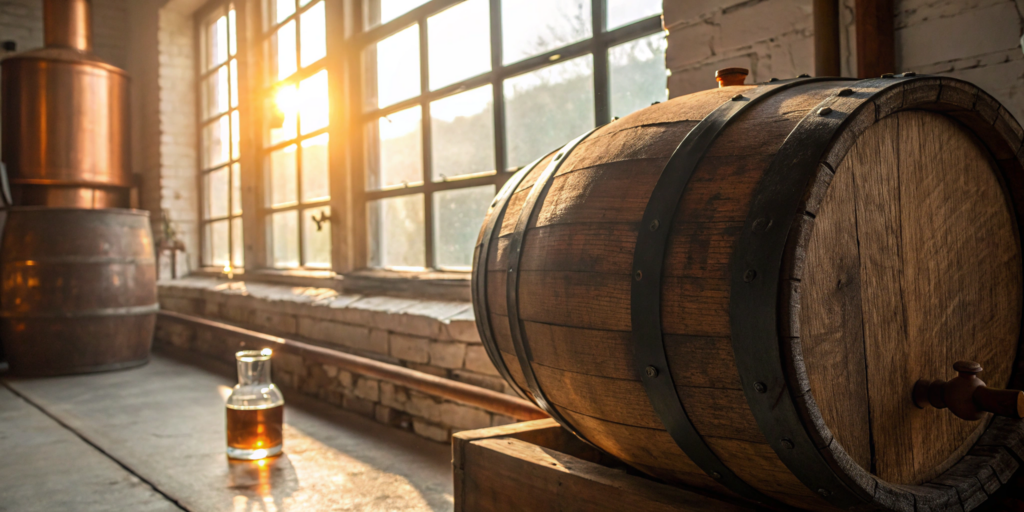
Bourbon has always been about pushing boundaries, crafted by pioneers who weren’t afraid to do things differently. That same spirit lives on today in the art of finishing. This is where distillers take a great bourbon and rest it in a second cask—one that once held port, wine, or even rum—to add a new, complex chapter to its story. It’s a deliberate choice, a testament to creativity and patience. For anyone who loves a spirit with real depth, exploring bourbon with interesting finishes is about connecting with the craft and tasting the future of American whiskey.
Key Takeaways
- It’s All About the Second Barrel: Finished bourbon gets its unique character from a secondary aging period in a cask that previously held something else, like port or sherry. This final step adds layers of flavor that you won’t find in a traditional bourbon.
- Find a Finish That Fits Your Palate: The type of finishing cask—from port and sherry to rum and even wine barrels—directly shapes the final taste. Exploring different finishes is the best way to discover if you prefer rich, fruity notes or deep, spicy ones.
- Taste with Intention: To fully appreciate a finished bourbon, pay attention to the aroma and the lingering flavors after you sip. This is where the secondary barrel’s influence truly shines, and you can find fantastic, complex bottles at every price point.
What Is a “Finished” Bourbon (And Why It’s Worth Trying)?
If you’ve ever browsed the whiskey aisle and seen a bottle labeled “Port Cask Finish” or “Double Oaked,” you’ve encountered a finished bourbon. So, what does that actually mean? In short, it’s a bourbon that gets a second round of aging in a different barrel after its initial maturation. Think of it as a final, flavor-enhancing step that adds an exciting new dimension to the spirit you already love.
Why should you care? Because this technique opens up a whole new world of flavor. Distillers use finishing to introduce unique notes that you wouldn’t find in a traditional bourbon, from rich, fruity sweetness to deep, spicy complexity. It’s a testament to the creativity and craftsmanship within the industry, allowing producers to experiment and push boundaries. For anyone who appreciates a spirit with a story, finished bourbons offer a fascinating taste of innovation. They represent a thoughtful process where a distiller takes a great bourbon and makes it truly exceptional, much like the unconventional approach Mary Dowling took to her own spirits. Exploring our whiskeys will show you just how transformative a great finish can be.
Understanding the “Finishing” Process
The process behind a finished bourbon is called secondary maturation. First, the whiskey goes through its required aging in a new, charred oak barrel to legally be called bourbon. After this initial period, instead of being bottled, it’s transferred to a second, used cask for a “finishing” period. This second barrel could have previously held anything from port, sherry, and rum to tequila or wine.
This practice has become incredibly popular, and for good reason. As more drinkers seek out unique flavor profiles, the demand for cask-finished bourbon is booming. It’s a way for distillers to add their own signature touch, creating a final product that is layered, complex, and distinct.
The Details in the Barrel: Toasted vs. Charred
When we talk about finishing, it’s easy to focus only on what the second barrel used to hold, like port or sherry. But there’s another layer to this craft: the treatment of the wood itself. The two main methods are charring and toasting, and they create dramatically different results. Charring is the traditional process for new bourbon barrels, involving an intense, open flame that scorches the inside, creating a thick, black layer that looks like alligator skin. This char acts as a natural filter, removing harsh compounds while releasing classic bourbon flavors like vanilla, caramel, and a hint of smoke. It’s the foundation of what we expect from a great bourbon.
Toasting, on the other hand, is a more delicate art. It uses lower heat over a longer period, gently warming the wood to caramelize its natural sugars without creating that heavy char layer. This process coaxes out softer, sweeter notes of baking spices, mocha, and toasted nuts. When a distiller chooses a toasted barrel for a secondary finish, they’re intentionally adding a layer of nuanced sweetness and complexity that complements the original spirit. It’s a perfect example of how distillers continue to push boundaries, using every tool at their disposal to create something truly unique—a modern reflection of the same innovative spirit that defined Mary Dowling’s legacy.
How Finishing Adds Layers of Flavor to Bourbon
The magic of finishing lies in what the second barrel imparts to the bourbon. The wood of the finishing cask is seasoned with the flavors of its previous contents, and the bourbon soaks up those characteristics during its secondary maturation. A port pipe can add notes of dark fruit and maple, while a sherry butt might lend flavors of raisin and toasted nuts.
The goal isn’t to mask the original bourbon, but to complement it. The best finished whiskeys strike a perfect balance, where the classic vanilla, caramel, and oak notes of the bourbon are beautifully enhanced by the new flavors from the finishing cask. It’s a delicate art that, when done right, creates a harmonious and unforgettable sipping experience.
Beyond the Barrel: Advanced Finishing Techniques
While finishing a bourbon in a single, secondary cask has become a celebrated practice, some of the most innovative distillers are pushing the craft even further. These advanced techniques are where true artistry comes into play, moving beyond a simple second step into a multi-layered process of flavor creation. From using multiple barrels in succession to sourcing incredibly rare woods from around the globe, these methods are all about precision, patience, and a deep understanding of how wood and whiskey interact. It’s a continuation of the same pioneering spirit that has always defined bourbon, proving that there are always new frontiers to explore in the pursuit of exceptional flavor.
Triple-Finishing and Multi-Cask Maturation
If finishing a bourbon in one extra barrel adds a layer of complexity, using two or three can build a symphony of flavor. Multi-cask maturation involves moving the spirit through a series of different barrels to pick up a sequence of distinct characteristics. For example, a bourbon might move from its original new charred oak barrel to a port cask for fruity sweetness, and then into a sherry cask for nutty, savory notes. Each step is deliberate, designed to contribute a specific element to the final profile. This meticulous process requires incredible skill from the distiller, who must ensure the flavors remain balanced and harmonious. The result is a whiskey with unparalleled depth, where each sip reveals another subtle nuance from its journey through different woods.
The Influence of Rare Woods like Japanese Mizunara Oak
Sometimes, the finishing process is less about what a barrel used to hold and more about the wood itself. Distillers are increasingly experimenting with rare and exotic woods, with Japanese Mizunara oak being one of the most sought-after. Mizunara is notoriously difficult to work with and must be at least 200 years old before it can be made into a barrel, making it incredibly scarce. However, the flavors it imparts are unlike any other, offering notes of sandalwood, coconut, and oriental incense. Using such a precious resource is a bold choice, but it’s how distillers create some of the best finished whiskeys on the market—spirits that are truly unique and unforgettable.
Finishing with Staves vs. Barrels
The traditional way to finish a bourbon is by transferring the liquid into a secondary barrel. However, another technique involves adding specially treated wooden staves directly into the tank or barrel of maturing whiskey. These staves can be toasted or charred to different levels or sourced from various types of wood, allowing distillers to add specific flavor notes with surgical precision. While some purists prefer the classic barrel-finishing method, using staves gives producers another creative tool to work with. Both approaches aim to add extra flavor, but staves can offer a more controlled and sometimes faster infusion, making it a fascinating area of modern whiskey innovation.
The Art of the Blend: Combining Finished and Unfinished Bourbons
Often, the final masterpiece isn’t a single finished bourbon but a carefully constructed blend of several. A master blender might take a bourbon finished in red wine casks and combine it with another aged in sherry barrels, and perhaps even mix in a portion of traditional, unfinished bourbon to provide a classic backbone. This process is all about achieving balance and complexity that no single barrel could offer on its own. The goal is to create a final product that is greater than the sum of its parts—a layered, elegant spirit where vanilla and caramel notes might mingle with hints of red fruit and spice, creating a truly cohesive and sophisticated tasting experience.
A Guide to the Most Popular Bourbon Finishes
Once you start exploring the world of finished bourbons, you’ll find a whole spectrum of flavors waiting for you. Distillers use a variety of casks to add unique layers of complexity and character to their whiskey. While the possibilities are nearly endless, a few types of finishes have become popular for their consistently delicious results. Think of these as the classics—the perfect place to start your tasting journey. From the jammy sweetness of port casks to the rich depth of double-oaked barrels, each finish offers a distinct experience. Let’s look at some of the most common finishing methods and the incredible flavors they create.
Port Casks: Raisin, Maple, and Toasted Nuts
If you enjoy a whiskey with a smooth, dessert-like quality, a port cask finish is for you. By resting bourbon in barrels that once held port wine, distillers add a wonderful sweetness and viscosity. This process imparts luscious notes of dark fruits like raisin and fig, balanced by hints of maple, chocolate, and toasted nuts. It’s a finish that adds richness without overpowering the bourbon’s inherent character. Many consider these cask-finished bourbons to be an excellent introduction to the category because their profiles are so approachable and satisfying. They’re the kind of pour you want to linger over after a good meal.
Sherry & Wine Casks: Dried Fruit and Cherry
Finishing bourbon in sherry or other wine casks is a practice that adds layers of sophisticated flavor. Sherry casks, particularly those from Spain, lend notes of dried fruit, nuts, and a touch of spice. Other wine casks, like those used for Cabernet Sauvignon or Tequila, can introduce a wide range of characteristics, from dark cherry and currant to bright citrus and pepper. This is where a distiller’s artistry truly shines, as they select the perfect cask to complement their bourbon. At Mary Dowling, we honor this tradition of innovation by using secondary barrels to create our uniquely complex award-winning whiskeys. The result is a beautifully integrated whiskey with a story to tell in every sip.
Rum & Cognac Casks: Notes of Tropical Sweetness
For a finish that’s a little more unexpected, look to bourbons aged in rum or cognac casks. These barrels introduce a delightful warmth and sweetness that can transform a whiskey’s profile. Rum casks often contribute notes of molasses, brown sugar, and tropical fruit like banana or pineapple. Cognac casks, on the other hand, tend to impart more delicate flavors of apricot, pear, and subtle floral spice. This kind of creative experimentation showcases how versatile bourbon can be, taking on a completely new personality with just a few months in a different type of barrel. It’s a fun way to experience a familiar spirit in a new light.
Double Oak & Toasted Barrels: Chocolate and Toffee
If you love the classic oak, caramel, and vanilla notes of bourbon and just want more of them, a double-oaked finish is your perfect match. Instead of moving the bourbon to a different type of cask, distillers move it into a second, brand-new charred oak barrel. This secondary aging process intensifies the flavors drawn from the wood, creating an incredibly rich and indulgent profile. Expect deep notes of chocolate, toffee, toasted marshmallow, and dark caramel. It’s a decadent experience that takes the traditional bourbon character and turns it all the way up, making for a bold, flavorful, and satisfying pour.
Cigar Blends: Rich, Dark, and Complex
Cigar blend finishes are crafted with a specific pairing in mind, but you don’t need a cigar to appreciate their incredible depth. These bourbons are designed to stand up to the bold flavors of a fine cigar, resulting in a spirit that is rich, dark, and wonderfully complex. The finishing process, often involving casks that impart specific characteristics, aims to create a profile with notes of dark fruit like raisin and cherry, alongside savory tobacco and leather. The beauty of a great cigar blend is its balance; it enhances the bourbon’s natural character rather than masking it. This creates a layered and sophisticated whiskey that’s perfect for slow, contemplative sipping, whether you’re enjoying it with a cigar or on its own.
Beyond the Basics: Ice Wine, Mead & Honey Finishes
Beyond the more common finishes, distillers are constantly pushing boundaries with creative cask selections. This is where you’ll find some of the most unique and memorable bourbons. Imagine a whiskey rested in ice wine barrels, adding a delicate, honeyed sweetness, or one finished in mead casks for a touch of floral complexity. These innovative finishes are a testament to the spirit of defying convention that has always driven the bourbon industry forward. They offer a taste of something truly different and are perfect for the adventurous drinker looking to expand their palate and discover what’s next in the world of whiskey.
What Should You Expect to Pay for Finished Bourbons?
One of the best things about the rise of finished bourbons is that there’s a bottle for every budget. The extra time and materials involved in finishing mean they often cost a bit more than their traditional counterparts, but you don’t have to break the bank to find a great one. Whether you’re just starting to explore or hunting for a rare gem, here’s a general guide to what you can expect to pay.
Approachable Finds (Under $65)
If you’re looking to dip a toe into the world of finished bourbons without a huge commitment, you’re in luck. There are some fantastic and accessible options that give you a real sense of what finishing can do. These bottles are perfect for experimenting in cocktails or for sipping neat as you train your palate. For example, the Copper & Kings Apple Brand Finish, which sits around $65, is a great introduction to finished spirits that showcases a unique fruit-forward profile from its time in Apple Brandy casks.
Worth the Splurge ($65-$120)
Ready to explore a little more? This price range is where you’ll find some truly complex and memorable finished bourbons. Distillers are often using older whiskeys or more expensive casks for finishing, resulting in deeper, more nuanced flavors. A standout choice is the Whiskey War Double Oak Finished In PX Sherry Casks, which offers a rich experience for about $110. You can also find some excellent value here, like Noble Oak Double Oak, which delivers delightful notes of dried fruit and spice from its sherry cask finish and proves you can find standout cask-finished bourbons without a top-shelf price tag.
Top-Shelf Treasures ($120+)
For those special occasions or for the discerning collector, the top shelf is where you’ll find the crème de la crème. These bottles represent the height of artistry in finishing, often featuring rare casks, extended aging, and limited releases. Expressions like the High West Midwinter Night’s Dram, finished in Port Barrels for around $150, are highly sought after for a reason. You’ll also find innovative collaborations, like the Bardstown Bourbon Company’s Goose Island release, which uses stout barrels to create a truly unique profile. These selections are a testament to the incredible complexity that a thoughtful finishing process can achieve.
What’s Behind the Price Tag?
So, what makes one finished bourbon cost $40 and another $140? It comes down to time, materials, and craftsmanship. The finishing process itself adds cost—it requires extra barrels, more warehouse space, and careful monitoring by the distilling team. The type of cask used plays a huge role; a vintage port or sherry cask is much more expensive than a new charred oak barrel. Ultimately, the price reflects the art of balance. The best finished whiskeys are the ones where the secondary cask enhances the original bourbon without overpowering it. You’re paying for the expertise it takes to marry those flavors perfectly, creating a spirit that’s greater than the sum of its parts.
The Role of Base Whiskey Age and Regional Climate
Before a bourbon even meets its finishing cask, its character has been shaped by two critical factors: its age and the climate where it matured. The initial aging period in new charred oak is where the magic begins. In a place with dramatic temperature swings, like Kentucky, the whiskey is constantly interacting with the wood. Hot summers cause the barrel staves to expand, pushing the spirit deep into the oak, while cooler winters make them contract, pulling those rich, flavorful compounds back out. This “breathing” process is fundamental, and the longer a whiskey ages, the more of this deep, oak-influenced character it develops. The regional climate truly acts as the engine that drives a bourbon’s flavor development from day one.
This foundation is everything when it comes to finishing. A distiller isn’t just throwing any bourbon into a second barrel; they are carefully selecting a spirit whose profile will harmonize with the finishing cask. A well-aged bourbon that has spent years in a dynamic climate will have a robust, complex profile full of caramel, vanilla, and spice. This requires a finishing cask that can complement these strong flavors without overpowering them. The final product is a testament to the distiller’s understanding of how aging imparts distinctive characteristics, creating a balanced and layered spirit where both maturation periods shine through.
Looking for a Bourbon with an Interesting Finish? Start Here.
Ready to explore some of the best finished bourbons out there? Whether you’re building your home bar or looking for a special bottle to share, this list features some truly exceptional spirits. Each one offers a unique story and a distinct flavor profile that comes from its secondary maturation. From rich port casks to deeply toasted barrels, these bourbons showcase the incredible creativity happening in the world of whiskey. Think of this as your curated guide to finding a new favorite.
Mary Dowling Whiskey Co.: A Legacy of Finishing First
It feels right to start with a brand that honors a true pioneer. Mary Dowling’s story is one of resilience and innovation, and that spirit lives on in her namesake whiskeys. The brand’s commitment to finishing creates bourbons with incredible depth and character. Using a bourbon with a distinct character, like the Mary Dowling Double Oak Collection, introduces layers of flavor that transform a familiar recipe into something truly special. These are whiskeys that not only taste amazing on their own but also bring a rich complexity to classic cocktails, carrying on a legacy of defying convention.
Angel’s Envy Port Cask Finish
If you’re looking for a bourbon that’s often described as “dessert in a glass,” this is it. Angel’s Envy Port Cask Finish is aged for up to six months in ruby port wine barrels, which gives it a beautiful reddish hue and a uniquely smooth profile. The result is a wonderfully balanced bourbon with sweet, refreshing notes of raisin, maple, and toasted nuts. It’s an approachable yet sophisticated choice that’s perfect for sipping neat or on the rocks. This bottle has become a modern classic for a reason and is a fantastic introduction to the world of port-finished whiskeys.
Woodford Reserve Double Oaked
For those who love rich, sweet, and indulgent flavors, Woodford Reserve Double Oaked is a must-try. It’s often called a “caramel bomb,” and for good reason. This bourbon gets its signature profile by being aged a second time in a deeply toasted, lightly charred barrel for nearly a year. This process amplifies the notes of chocolate, toffee, and toasted marshmallow, creating a thick, silky mouthfeel. Woodford Reserve Double Oaked is a decadent experience that’s perfect for winding down the evening or adding a luxurious touch to an Old Fashioned.
High West A Midwinter Night’s Dram
This offering from High West is a bit of a cult favorite and for good reason. A blend of rye whiskeys finished in French oak port barrels, A Midwinter Night’s Dram is a seasonal release that whiskey lovers eagerly anticipate each year. It’s been praised in blind tastings as a “stellar blend,” delivering a complex and warming profile that’s perfect for cooler weather. With notes of dark fruit, spice, and vanilla, it’s a beautifully crafted whiskey that tells a story with every sip. If you see a bottle, don’t hesitate to grab it.
Barrell Craft Spirits Cask Finish Series
Barrell Craft Spirits has built a reputation on its expert blending and finishing techniques, and its Cask Finish Series is a perfect example of that mastery. These releases showcase incredible creativity, often using unique barrels to create one-of-a-kind flavor profiles. One standout expression uses a blend of 11 different bourbons finished in Ice Wine barrels, which adds a delicate sweetness and layers of complexity. The Barrell Craft Spirits Cask Finish Series is for the adventurous whiskey drinker who appreciates the art of blending and wants to experience something truly innovative and unexpected.
Old Forester 1910 Old Fine Whisky
If you’re a fan of the deep, rich flavors that come from a double-barreled process, Old Forester 1910 is one you need to try. It takes the double-oaked concept a step further by aging the bourbon a second time in a heavily charred barrel, which creates an incredibly indulgent and layered profile. This is a thick, full-bodied whiskey with powerful notes of dark chocolate, toffee, and toasted marshmallow that feel comforting and complex. It’s a fantastic choice for anyone who already enjoys Woodford Double Oaked but is looking for something even deeper and more decadent. This is the kind of full-flavored bourbon you pour when you want to settle in and savor every sip.
Legent Bourbon
Legent is a fascinating example of what happens when different finishing techniques are blended together with expert precision. This Kentucky bourbon is a collaboration between two master distillers who finish portions of the spirit in both red wine and sherry casks before blending them back together. The result is an elegant and layered whiskey that offers the familiar comfort of vanilla and toffee alongside subtle notes of red fruit and dried spice. It has a soft, refined character that feels both classic and new at the same time. For its unique style and complexity, Legent is an incredible value and a perfect bottle for anyone who wants to explore the more nuanced side of finished bourbon.
Finished vs. Traditional Bourbon: What’s the Difference?
So, what exactly separates a “finished” bourbon from a traditional one? It all comes down to the aging process. By law, traditional bourbon must be aged in new charred oak barrels. That’s what gives it those classic notes of caramel, vanilla, and spice we all know and love. A finished bourbon starts out the same way, but it gets an extra step called secondary maturation. After its initial time in a new oak barrel, the whiskey is moved into a second, different cask for a finishing period.
This second barrel is where the magic happens. It could be a cask that previously held port, sherry, tequila, or wine, and it imparts its own unique character onto the bourbon. Think of it as a final layer of flavor and complexity. This technique allows distillers to experiment and create truly one-of-a-kind spirits. It’s a process that adds unique flavors to bourbon by giving it a second home to develop even more character. This isn’t about masking the original bourbon, but enhancing it and creating a richer, more nuanced drinking experience.
Comparing the Flavor Profiles
The real fun of finished bourbons is tasting just how different they can be. While a traditional bourbon delivers a familiar and beloved profile, a finished bourbon can take your palate somewhere completely new. A port cask finish might add notes of dark cherry and chocolate, while a sherry cask can introduce hints of dried fruit and nuts. The possibilities are nearly endless.
This diversity is what gets whiskey lovers so excited. In a recent blind tasting, several finished whiskeys stood out dramatically from the rest, proving just how distinct their profiles are. Enthusiasts are increasingly seeking out the best finished whiskeys because they offer a more dynamic and memorable experience. They’re looking for a spirit with a story to tell, and the finishing process adds a fascinating final chapter.
When to Reach for a Finished Bourbon
A finished bourbon is your best friend when you’re ready to step outside your comfort zone. If you’ve found your go-to daily sipper but are curious about what else is out there, a finished expression is the perfect next step. It’s also an excellent choice for sharing with friends or bringing to a gathering. The unique backstory and flavor profile make for a great conversation starter and a memorable tasting experience for everyone.
Don’t mistake these bottles for a passing fad. These are well-made whiskeys that offer exciting new flavors because of their secondary aging. Whether you’re celebrating a special occasion or just want to treat yourself to something different on a Tuesday night, a finished bourbon delivers. It’s an invitation to explore the creative edge of whiskey making.
Where to Find Your Next Favorite Finished Bourbon
Once you start exploring the world of finished bourbons, the hunt for your next bottle becomes part of the fun. Whether you prefer the convenience of online shopping or the thrill of an in-person discovery, there are plenty of places to find unique and compelling whiskeys. Knowing where to look is the first step to adding a new favorite to your collection.
The Best Online Retailers
Shopping for bourbon online gives you access to an incredible selection that might not be available in your area. Websites like Caskers specialize in curating rare and allocated spirits, making it easier to find exactly what you’re looking for. Many of these retailers offer fast, nationwide delivery, bringing the bottle shop right to your doorstep. For a truly special experience, you can have Mary Dowling’s uniquely finished whiskeys sent directly to you when you order online. It’s a convenient way to ensure you don’t miss out on these exceptional spirits.
Your Local Liquor Store
Don’t overlook the treasures waiting at your neighborhood liquor store. Building a good relationship with the staff can give you a heads-up on new arrivals and limited releases. They often have a deep knowledge of their inventory and can point you toward hidden gems you might otherwise miss. Many local shops also get exclusive single-barrel picks that you won’t find anywhere else. If you’re looking for a specific bottle, like one of ours, using a brand’s store locator is a great way to see which shops nearby carry it. A quick chat with the person behind the counter can make all the difference.
Straight From the Source: Distillery Releases
For the most unique finds, go directly to the source. Many distilleries offer special releases that are only available at their visitor center or through their website. This is often where you’ll find experimental finishes, limited editions, and the purest expression of a brand’s craft. Visiting a distillery’s website is the best way to learn about their full lineup, like the award-winning whiskeys in our collection, and to get details on upcoming releases. Buying direct is a fantastic way to connect with the story behind the spirit and acquire a bottle that truly stands out.
The Collector’s Guide to Finished Bourbons
Once you discover the world of finished bourbons, it’s easy to get hooked. The unique stories and complex flavors can inspire you to start a collection of your own. But collecting is more than just buying bottles you like; it’s about understanding what makes a particular whiskey special and sought-after. It involves a bit of hunting, a bit of knowledge, and a lot of passion. Whether you’re searching for a rare gem or an undiscovered treasure, knowing what to look for can make the process even more rewarding. This guide will give you a starting point for building a collection that’s as interesting as the spirits themselves.
Understanding Market Value, Ratings, and Rarity
So, what makes one finished bourbon a collector’s item and another just a great sipper? It often comes down to a combination of factors. According to auction experts, bottles become valuable because they are rare, taste exceptional, and have a lot of buzz around them. Rarity is a huge driver—limited releases, distillery-only exclusives, or discontinued expressions are naturally harder to find. The quality of the finish also plays a major role. A bourbon finished in a vintage port cask, for example, is going to have a different cost basis and flavor profile than one aged in a more common barrel, which directly influences its desirability and price.
Hunting for “Grail” Bottles and Undiscovered “Sleepers”
In the collecting world, you’ll often hear people talk about “grails” and “sleepers.” A grail is that highly sought-after, famous bottle that everyone wants—think of it as the crown jewel of a collection. A sleeper, on the other hand, is a less-known bottle that has the potential to become highly valuable over time. These are often the most exciting finds. The key is to look for whiskeys with a unique story, an innovative finish, and exceptional craftsmanship, much like the spirits that honor Mary Dowling’s legacy. As the bourbon market matures, investing in it requires careful planning and a good eye, not just luck.
The Holiday Season: A Prime Time for Limited Releases
If you’re serious about collecting, the end of the year is a season to watch closely. The holiday season is a prime time for distilleries to release their most anticipated limited-edition bottles. This is when you’ll see a flurry of unique finishes and special blends hit the shelves, making it a great time for collectors to buy. These releases are often a testament to the incredible complexity that a thoughtful finishing process can achieve. Keep an eye on your favorite brands and local retailers during this period, as it’s your best chance to snag a bottle that could become a future grail in your collection.
What’s the Word on Finished Bourbons?
So, are finished bourbons just a passing trend? The short answer is no. From industry experts to the person sipping next to you at the bar, the consensus is that this category is here to stay. Finished bourbons are earning serious respect for their innovation, complexity, and the unique stories each bottle tells. This isn’t just a fleeting experiment; it’s a meaningful evolution in American whiskey. Let’s look at what people are saying.
What the Experts Think
It’s pretty clear the pros are on board. The team at The Whiskey Wash confirms that cask-finished bourbon is booming, celebrating how a second barrel can completely transform a classic spirit. It’s about more than just a new taste; it’s about creating an experience. Experts find that drinkers are actively seeking whiskeys that “move” them, and the unique production methods and stories behind the barrels resonate deeply. This approach to whiskey-making isn’t just about flavor—it’s about connection and character.
How Experts Judge a Finished Bourbon
When experts taste a finished bourbon, they’re looking for one thing above all else: balance. It’s not enough for the second barrel to add a new flavor; the real art is in how that new character complements the original bourbon. The goal is to enhance, not overpower. A great finished bourbon allows the classic notes of vanilla, caramel, and oak to shine through, beautifully interwoven with the new layers from the port, sherry, or wine cask. They pay close attention to the aroma and the lingering taste on the palate—that’s where the influence of the secondary maturation truly reveals itself. It’s this thoughtful integration of flavors that creates a complex and memorable spirit, the kind of pour that tells a story and showcases true craftsmanship.
Notes from Fellow Whiskey Lovers
The excitement extends far beyond industry critics. Across tasting rooms and online forums, fellow whiskey drinkers are celebrating the creativity of finished bourbons. Many of the best finished whiskeys are praised for their incredible balance of flavors, like the interplay between sweet and spicy notes that creates a complex but approachable profile. The consensus is that cask finishing is no longer a novelty. It has become a core part of the American whiskey scene, offering well-made spirits with exciting new dimensions that give us all something new to explore and share.
The Debate: Classic vs. Unique Flavors
The real fun of finished bourbons is tasting just how different they can be. While a traditional bourbon offers a familiar and beloved profile, a finished bourbon can take your palate somewhere completely new. A port cask finish might add notes of dark cherry and chocolate, while a sherry cask can introduce hints of dried fruit and nuts. The possibilities are nearly endless, and this diversity is what gets whiskey lovers so excited. It’s not about choosing one over the other; it’s about appreciating both for what they offer. Think of it like having a favorite comfort food but also loving to try new restaurants. Both have their place.
When a Finish Doesn’t Quite Work
Not every experiment is a success, and the art of finishing is a delicate balancing act. The goal isn’t to mask the original bourbon, but to complement it. When a finish doesn’t work, it’s usually because the secondary cask has completely overpowered the spirit, erasing the classic vanilla, caramel, and oak notes you expect from a bourbon. The best finished whiskeys strike a perfect balance, where the original bourbon is beautifully enhanced by the new flavors from the finishing cask. It’s a sign of true craftsmanship when both the bourbon and the finish can shine through, creating a harmonious and layered drinking experience.
How to Properly Taste a Finished Bourbon
Tasting a finished bourbon is all about discovery. You’re not just tasting a spirit; you’re experiencing the story of its journey through two different barrels. The real fun is in identifying where the original bourbon ends and the finishing cask begins. There’s no secret handshake or password required—just an open mind and a willingness to pay attention to what your senses are telling you. The goal is to notice the unique layers of flavor and aroma that make these spirits so special.
Think of it as a conversation between the bourbon and the barrel. The initial maturation lays the foundation with classic notes of caramel, vanilla, and oak. Then, the secondary finishing barrel joins in, adding its own distinct voice—maybe it’s the rich, fruity notes of a port cask or the spicy, nutty character of a sherry cask. Your job is simply to listen in and enjoy the dialogue. Approaching it this way turns a simple drink into a memorable experience, allowing you to fully appreciate the artistry that goes into every bottle.
Your Step-by-Step Tasting Guide
Ready to give it a try? Pour about an ounce of bourbon into a glass—a Glencairn is ideal, but a simple rocks glass works just fine. First, just look at it. Hold it up to the light and observe the color. Is it a deep amber, a rich mahogany, or a lighter gold? The hue can offer the first clue about its time in a finishing barrel.
Next, give the glass a gentle swirl to release the aromas. Bring it to your nose and inhale slowly. What do you smell? Don’t worry about getting the “right” answer. Maybe you pick up dark fruit, chocolate, or a hint of spice alongside the familiar bourbon sweetness. This is the “nose,” and it’s where the finishing cask often makes its first impression. Finally, take a small sip. Let the whiskey coat your tongue before you swallow. Some people even find a blind tasting helps them focus purely on flavor without any preconceived ideas.
Listen to Your Palate: Finding the Finish
After you swallow, pay attention to the flavors that linger. This is the “finish,” and it’s where the magic of a secondary maturation truly reveals itself. This is the part of the experience that separates a good bourbon from a great one. Does the warmth fade quickly, or does it leave behind a lasting impression of dried fruit, toasted nuts, or sweet spice? A well-crafted cask-finished bourbon will have a complex and evolving finish that keeps you coming back for another sip.
The best whiskeys are often the ones that connect with you on a personal level—the ones that make you pause and simply say, “Wow.” Trust your own palate. What you taste is unique to you, and the most important thing is that you enjoy the journey of discovering new flavors. So, take your time, savor each sip, and let the story of the bourbon unfold in your glass.
Related Articles
- 5 Types of Bourbon Finishes: A Flavor Guide
- 12 Best Unique Cask Finished Bourbons to Try Now
- Double Barrel Bourbon Meaning: A Complete Guide
Frequently Asked Questions
How long does the “finishing” process actually take? There’s no single answer, as the timing is really up to the distiller’s art. The secondary maturation period can last anywhere from a few months to over a year. It all depends on the type of barrel being used and the specific flavor profile the distiller wants to achieve. The goal is to let the bourbon soak up just enough character from the finishing cask without losing its original identity.
Is a “double oaked” bourbon considered a finished bourbon? Yes, it absolutely is. While most finishes involve moving the bourbon to a cask that previously held another liquid like port or sherry, a double oaked expression is moved into a second, brand-new charred oak barrel. This technique is all about intensifying those classic, rich bourbon notes of caramel, toffee, and vanilla rather than adding a completely new flavor from a different type of spirit.
Does the finishing process automatically make a bourbon better? Not necessarily better, just different. Think of it as creating a new expression of an already great spirit. The goal of a good finish isn’t to fix or hide a bourbon’s flaws, but to complement its existing flavors with new layers of complexity. When done well, it creates a harmonious and unique profile that offers a completely new tasting experience.
Can I use finished bourbons in cocktails, or are they only for sipping? You can and absolutely should use them in cocktails. While their complex profiles make them fantastic for sipping neat, they can also bring incredible depth to classic drinks. A port-finished bourbon can make a rich and fruity Old Fashioned, while a double-oaked expression adds a deep, caramelized sweetness to a Manhattan. Just start with simple recipes that allow the bourbon’s unique character to shine through.
How do I know if the finish will overpower the original bourbon flavor? That’s where the skill of the distiller comes into play. In a well-crafted finished bourbon, the secondary cask should enhance the spirit, not dominate it. The best producers are masters of balance, carefully monitoring the aging process to ensure the final product is a seamless integration of both the bourbon and the barrel. You should be able to taste the classic bourbon notes right alongside the new flavors from the finish.

Justin Pakdaman is the Marketing Director for Mary Dowling Whiskey Co., where he leads brand storytelling, digital strategy, and consumer engagement. Justin has years of experience building premium spirits brands.