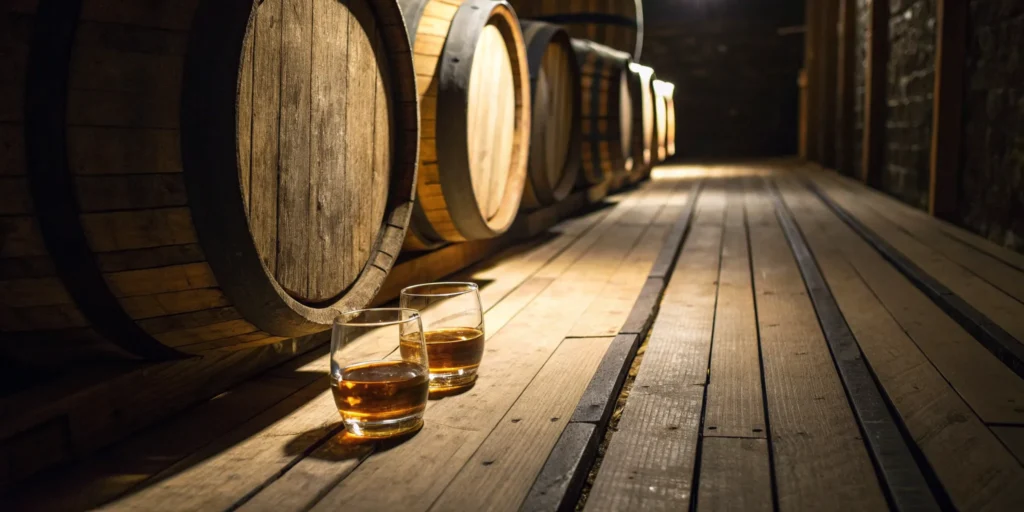
Ever sipped a whiskey that felt exceptionally rich and layered? You were likely experiencing the art of double barrel aging. This technique is more than a buzzword; it’s a story of transformation told in two parts. The first barrel builds the whiskey’s foundational character—those classic, beloved bourbon notes. Then, the second barrel introduces a surprising twist, adding a new layer of complexity and depth. This process of reinvention mirrors the resilience of Mary Dowling herself. So, how does this finishing process work to create such a compelling spirit? It’s a deliberate craft that turns a great whiskey into an unforgettable one.
Key Takeaways
- Focus on Flavor, Not Just Age: Double barreling is a finishing technique, not simply a way to age whiskey longer. It involves moving a fully matured spirit to a second cask to intentionally layer new and complex notes onto the original flavor profile.
- Each Barrel Plays a Specific Role: The first barrel, typically new charred oak, builds the whiskey’s foundational character with notes like vanilla and caramel. The second barrel, often a cask that previously held port or sherry, adds a unique and complementary layer of flavor.
- The Distiller’s Art Determines the Outcome: The process alone doesn’t guarantee a better whiskey. A great double barreled spirit depends on a high-quality initial whiskey and the distiller’s expertise in selecting the right barrels and perfectly timing the second maturation.
What is Double Barrel Aging?
If you’ve ever sipped a whiskey that felt exceptionally rich and layered, you may have experienced the magic of double barrel aging. At its core, the concept is straightforward: it’s a process where whiskey is aged in one barrel, then moved to a second, different barrel for a final finishing period. This isn’t just about aging the spirit longer; it’s a deliberate, artistic choice to build a deeper, more nuanced character that a single barrel alone can’t achieve.
Think of the first barrel as the one that lays the foundation. For bourbon, this is always a new, charred oak barrel that imparts those classic, beloved notes of vanilla, caramel, and spice. After the whiskey has reached maturity, it’s introduced to a second barrel. This finishing barrel is where the real creativity comes into play. It might be a cask that previously held sherry, port, or even tequila, or it could be a barrel made from a different type of wood or with a unique toast level. This second step adds a distinctive layer of flavor and aroma, resulting in a truly special spirit. It’s this commitment to craftsmanship that defines many of the award-winning whiskeys you see today.
A Technique Born from Happy Accidents
Like many great discoveries, double barrel aging wasn’t born from a grand plan but from a happy accident. Back in the 1700s, whiskey was often moved from one barrel to another simply for transport. People started noticing that the whiskey tasted significantly better after its journey in a second cask. What began as a practical necessity soon caught the attention of distillers, who turned this observation into a skilled technique. This evolution from a logistical solution to an art form is a beautiful example of innovation. It mirrors the kind of resilience and ingenuity that defines so many great stories in bourbon history, including the untold legacy of Mary Dowling herself, who turned challenges into triumphs.
Beyond Whiskey: Barrel Aging in Other Products
The transformative power of a barrel isn’t exclusive to whiskey. The concept of barrel aging has been adopted across the culinary world, proving just how much character wood can impart. You can find this technique used in craft beers, especially rich stouts, and in wines like Chardonnay, which get their buttery notes from oak. But it doesn’t stop there. Creative artisans are barrel-aging everything from hot sauce and coffee beans to maple syrup, each product absorbing unique, complex flavors from the wood. This widespread practice shows how barrel finishing is a respected art form, capable of turning everyday products into something truly special and demonstrating the universal appeal of wood’s influence on flavor.
Why This Extra Step Matters for Whiskey
So, why go through all the extra trouble? It all comes down to complexity. Double barrel aging allows a distiller to create a multi-layered taste experience. Instead of a single set of flavors, you get a beautiful harmony of notes from two different wood sources. The initial maturation provides the whiskey’s backbone, while the second finish adds a surprising and delightful twist.
This process transforms a great whiskey into an unforgettable one. It introduces a depth and richness that makes you want to sit with the glass, discovering new aromas and flavors with every sip. Each batch can also have its own subtle variations, making the experience unique. For anyone who appreciates the fine art of whiskey, this method represents a dedication to pushing boundaries and creating a spirit with a compelling story to tell.
What Distillers Gain from a Second Barrel
Distillers use double barreling as a tool for flavor innovation. It’s their way of putting a unique signature on a whiskey. Moving a fully matured spirit into a second cask allows them to intentionally build a truly complex flavor profile that goes beyond the traditional. It’s a chance to experiment and perfect the final product.
The choice of the second barrel is critical. A distiller might use a port cask to add notes of dark fruit and chocolate, or a sherry cask to impart hints of nuts and dried fruit. The type of wood, what the barrel held previously, and exactly how long the whiskey rests in it are all carefully considered variables. This meticulous process is less about a formula and more about a feeling, relying on the distiller’s expertise to decide when the whiskey has absorbed the perfect amount of character from its second home.
How Does the Double Barrel Process Work?
Think of double barrel aging as a two-part story for whiskey. It’s a meticulous process where the spirit doesn’t just rest in one barrel but gets a second, unique home to develop even more character. This method isn’t about rushing; it’s about layering flavors and creating a depth you can’t achieve with a single maturation. Each step is deliberate, designed to build a complex and unforgettable profile. Let’s walk through how this journey from barrel to barrel unfolds.
Step 1: Aging in the Primary Barrel
Every great double barreled whiskey begins its life in a primary barrel. Typically, this is a brand-new, charred American oak barrel. This initial aging period is foundational, setting the whiskey’s core personality. As the spirit rests, it pulls all those classic, beloved flavors from the wood: rich notes of vanilla, sweet caramel, warm spice, and a hint of smokiness from the char. This first maturation could last for years, establishing the base spirit that the distiller will later build upon. It’s the essential first chapter that gives the whiskey its soul and structure before the next stage of its evolution begins.
Step 2: Transferring to the Finishing Barrel
After the whiskey has matured and developed its fundamental character, the distiller decides it’s time for a change of scenery. This is where the artistry really comes into play. The whiskey is carefully transferred from its original American oak barrel into a second, different cask. This isn’t just any barrel; it’s a finishing barrel that has its own history. Often, these casks previously held other spirits or wines, like sherry, port, rum, or even tequila. This move is a pivotal moment, as the whiskey is now primed to absorb a whole new range of influences from its new environment.
Step 3: Finishing in the Second Barrel
In its new home, the whiskey begins its second maturation, or “finishing” period. This is where the magic of layering happens. The spirit soaks up the distinct flavors left behind by the barrel’s previous occupant, along with the unique characteristics of the wood itself. A sherry cask might add notes of dried fruit and nuts, while a port cask could introduce hints of red berries and chocolate. The length of this finishing process is critical; the distiller monitors it closely to ensure the new flavors complement, rather than overpower, the whiskey’s original character. This final step transforms a great whiskey into something truly exceptional, like our own Mary Dowling whiskeys, which carry a story in every sip.
What Kinds of Barrels Are Used?
The art of double barrel aging lies in the thoughtful selection of two distinct barrels. Think of it as a duet, where each barrel plays a crucial part in creating the final harmony of flavors. The first barrel lays down the foundational notes, while the second adds the surprising, complex layers that make the whiskey truly memorable. The character of the wood, its history, and how it’s treated all play a role in shaping the spirit that rests inside. It’s a process that requires both science and a deep sense of intuition, where the distiller guides the whiskey on its journey from a solid starting point to an extraordinary finish.
What the First Barrel Brings to the Table
The whiskey’s journey almost always begins in a new, charred American oak barrel. This is the classic starting point for bourbon, and for good reason. As the spirit ages, the charred wood works its magic, giving the whiskey its signature deep amber color and foundational flavors. This first maturation is where those familiar, comforting notes of vanilla, caramel, and warm spice are born. The char also acts as a natural filter, smoothing out the spirit while adding a subtle touch of smoke. This barrel builds the whiskey’s backbone, creating a solid, delicious base before the next step.
The Art of the Finishing Barrel
After its initial beauty rest, the whiskey is moved to a second, or “finishing,” barrel. This is where distillers get to be creative. The finishing barrel has a history; it has often been used to age something else entirely, like sherry, port wine, or rum. This previous life allows the barrel to contribute a whole new dimension of flavor to the whiskey. For instance, our award-winning whiskeys are finished in unique casks like port and tequila barrels, each lending its own distinct character to the final spirit. This step transforms a great whiskey into an exceptional one.
Alternative Finishing Combinations
While port and sherry casks are popular for good reason, the creative possibilities for finishing barrels are nearly endless. This is where a distiller’s artistry truly shines, as they experiment with unique casks to create unexpected and delightful flavor profiles. Imagine a bourbon finished in a rum barrel, picking up sweet notes of molasses and tropical fruit, or one rested in a Cabernet Sauvignon cask, gaining hints of dark cherry and sophisticated tannins. Some distillers even use barrels that once held tequila, maple syrup, or craft beer. Each choice is a deliberate exploration of flavor, designed to complement the whiskey’s foundational character in a new way. This spirit of innovation is what makes discovering different whiskey expressions so rewarding, turning each sip into a unique experience.
How Barrel Choice Shapes the Whiskey
The final taste of a double barreled whiskey is a direct result of its time in both barrels. The type of wood, the barrel’s previous contents, and the length of the finishing period all have a massive impact. A sherry cask, for example, might add notes of dried fruit and nuts, while a port cask can introduce hints of dark berries and chocolate. The whiskey absorbs these characteristics, creating a layered and complex profile that you just can’t get from a single barrel. This meticulous process of pairing and timing is a testament to the craft, reflecting the same resilience and ingenuity that defines Mary Dowling’s story.
What Flavors Can You Expect from Double Barrel Aging?
Double barrel aging creates a whiskey with incredible depth, where layers of flavor tell a story. Think of it less like adding a single ingredient and more like two different culinary traditions coming together in one glass. The final profile is a conversation between the spirit, its first home in a new oak barrel, and its second stay in a seasoned finishing cask. The result is a beautifully complex spirit that is both familiar and surprisingly new.
Building the Foundation of Flavor
The journey begins in a new, charred American oak barrel. This first maturation is where the whiskey develops its foundational, classic bourbon character. As the spirit rests, it interacts with the caramelized sugars in the wood, pulling out those rich, warm notes that we all love. You can expect to find flavors of sweet vanilla, buttery caramel, and a pleasant baking spice, often with a subtle hint of smoke from the barrel’s char. This initial aging process sets the stage, building a solid and delicious base before the whiskey moves on to its second act. It’s the heart of the spirit, giving it structure and a familiar, comforting profile.
Adding Layers of Complexity
The second barrel is where the whiskey’s personality truly begins to shine and defy convention. After its initial aging, the spirit is transferred to a finishing barrel that previously held another liquid, like sherry, port, tequila, or wine. This is where the magic of transformation happens. The whiskey soaks up the unique essence left behind in the wood. A sherry cask might impart notes of dried fruit and nuts, while a port cask could add hints of dark chocolate and jammy red berries. This finishing step introduces an entirely new dimension, adding a distinct character that complements the original bourbon flavors in an exciting way.
How the Two Flavors Marry Together
The beauty of double barrel aging is how the flavors from both barrels integrate to create something greater than the sum of its parts. The original notes of vanilla and caramel don’t get covered up; instead, they mingle with the new flavors from the finishing barrel. The spice from the first barrel might be balanced by the sweetness of a rum cask, or the richness of a port finish could deepen the existing caramel notes. This process creates many layers of flavor that are delightful and interesting, offering a new discovery with every sip. This depth makes the whiskey exceptionally versatile, allowing you to create unique cocktails or simply enjoy it neat.
What’s Happening Inside the Barrel?
Ever wonder how a clear spirit transforms into the complex, amber-hued whiskey you enjoy? It’s not magic—it’s a fascinating dance between spirit, wood, and time. The barrel is far more than a simple container; it’s an active ingredient that imparts color, aroma, and flavor. When we talk about double barrel aging, we’re talking about adding a second, distinct chapter to this story, creating even more depth and character.
The entire process relies on basic chemistry and physics. As the whiskey rests in the barrel, it’s constantly interacting with the oak. Temperature fluctuations, the chemical compounds locked within the wood, and the climate of the rickhouse all play a crucial role. Understanding this science gives you a deeper appreciation for the craftsmanship in every bottle. It’s a deliberate process where distillers use nature to their advantage, guiding the spirit toward its final, delicious expression. Let’s break down exactly how this transformation happens.
How Whiskey Interacts with Wood
Think of a whiskey barrel as a living, breathing vessel. Most barrels are crafted from American White Oak, and as the seasons change, so does the barrel. When temperatures rise, the wood expands, and its pores open up, allowing the whiskey to soak deep inside. As it cools, the wood contracts, pushing the liquid back out. This cyclical process is essentially the barrel “breathing” the whiskey in and out, over and over again.
This constant movement is the key to maturation. Each time the spirit enters the wood, it comes into contact with the oak’s inner layers, which have been toasted or charred to release specific compounds. This interaction is where the real transformation begins, as the whiskey starts to pull character directly from its wooden home. The entire science of whiskey aging hinges on this simple, yet powerful, interaction between liquid and wood.
The Purpose of Charring a Barrel
Before a barrel is ready to hold whiskey, its interior is literally set on fire. This process, known as charring, is essential for creating the spirit’s signature flavor and color. The intense heat caramelizes the natural sugars within the wood, creating a layer that will later impart notes of vanilla and toffee to the whiskey. The char also acts as a natural filter, smoothing out the spirit while adding a subtle touch of smoke. This initial step is what builds the whiskey’s backbone, creating a solid, delicious base before the next stage of its journey. It’s a foundational process that turns a simple wooden container into an active ingredient in the whiskey-making story.
How a Barrel Breathes
The magic of maturation happens because a barrel is constantly interacting with its environment. When temperatures rise, the wood expands, and its pores open up, allowing the whiskey to soak deep inside. As it cools, the wood contracts, pushing the liquid back out. This cyclical process is essentially the barrel “breathing” the whiskey in and out, over and over again. Each cycle pulls more flavor and color from the wood’s charred interior, deepening the spirit’s character. This is why the climate and even the location of a barrel within the rickhouse can have such a profound impact on the final product, making the aging process a true partnership between the distiller and nature.
The Role of Barrel Size in Aging
Not all barrels are created equal, and size plays a significant role in how quickly a whiskey matures. Smaller barrels age whiskey faster because more of the liquid touches the wood. This increased surface-area-to-volume ratio means the spirit can extract flavor and color from the oak more rapidly. However, this needs careful watching to prevent the whiskey from tasting too much like wood. While larger, standard-sized barrels allow for a slower, more gradual maturation that develops deep complexity over time, smaller casks offer a different path. It’s a delicate balance, and managing it correctly requires a distiller’s keen sense of timing and taste to ensure the final spirit is perfectly balanced.
Pulling Flavor from the Wood Staves
As the whiskey seeps into the barrel’s staves, it acts like a solvent, extracting a host of natural compounds from the oak. This is how whiskey gets its signature color and much of its flavor. The clear, unaged spirit, often called “white dog,” slowly turns a rich brown as it pulls pigments from the toasted wood.
But it’s not just about color. The whiskey also picks up key flavor compounds. Charring the inside of the barrel caramelizes the wood’s natural sugars, which later dissolve into the spirit, adding notes of caramel and toffee. Other compounds, like vanillin, contribute vanilla flavors, while oak lactones can give hints of coconut and spice. This extraction process is why a whiskey aged for years tastes so different from the spirit that first went into the barrel. It’s a slow infusion of everything the oak has to offer.
How Weather Influences the Final Taste
Where a barrel rests is just as important as the barrel itself. The climate of the rickhouse, or aging warehouse, has a massive impact on how quickly and in what way a whiskey matures. Temperature is the main driver here. In warmer climates, the wood expands more dramatically, accelerating the aging process as the whiskey interacts more intensely with the oak. This can lead to a spirit that develops deep, robust flavors in a shorter amount of time.
Conversely, cooler climates slow everything down. The wood breathes less intensely, leading to a slower, more gradual maturation. This isn’t necessarily a bad thing—it can result in a more subtle and delicate flavor profile. Understanding how climate affects aging allows distillers to make strategic decisions about where and how they age their spirits, using the environment as another tool to shape the final product.
How Long Does Double Barrel Aging Take?
So, how long does this whole process take? The honest answer is: it depends. There’s no magic number or universal timeline for double barrel aging. It’s a delicate dance between time, temperature, and taste, all orchestrated by the master distiller. The goal isn’t just to age the whiskey longer, but to age it smarter. Think of it less like a stopwatch and more like an artist knowing exactly when a painting is complete. Each barrel has its own story to tell, and the distiller’s job is to listen closely, deciding the perfect moment to transfer the spirit from its first home to its second. This careful timing is what separates a good double barreled whiskey from a truly exceptional one, ensuring the final product is balanced, complex, and full of character. It’s a testament to the patience and expertise that goes into every bottle.
How Long Does It Spend in the First Barrel?
The journey begins in a new, charred American oak barrel. This is where the whiskey spends its formative years, developing its core identity. The initial maturation is all about building a solid foundation of flavor. As the spirit interacts with the wood, it soaks up those classic bourbon notes we all love: rich vanilla, sweet caramel, warm spice, and just a touch of smoke. This stage is a critical part of the whiskey production process, creating a robust spirit that’s ready for its second act. The length of this first aging period is crucial for establishing the whiskey’s fundamental character before it moves on to gain its more unique, nuanced notes.
How Long Does the Finishing Period Last?
Once the whiskey has its foundational flavors, it’s moved to a second, seasoned barrel for its finishing period. This is where the real magic happens. The finishing barrel has often held something else before, like sherry, port, or even another style of whiskey, and it imparts a whole new layer of complexity. This second maturation can be surprisingly short—sometimes just 15 to 35 days is enough for a new finishing barrel to lend its unique character. However, if a barrel is used multiple times, it will take longer for each subsequent batch to absorb those nuanced flavors. It’s a patient process of tasting and waiting for that perfect moment when the two flavor profiles have beautifully merged, a technique also popular in creating sophisticated barrel-aging cocktails.
Double Barrel vs. Single Barrel: What’s the Difference?
When you see “single barrel” or “double barrel” on a whiskey label, it’s telling you a story about how that spirit was aged. A single barrel whiskey comes from one individual cask, offering a distinct snapshot of that barrel’s specific character. A double barrel whiskey, on the other hand, has been aged in two separate barrels. This second maturation step is a deliberate choice distillers make to build a more complex and nuanced spirit.
While a single barrel expression is all about capturing a singular, unique profile, double barreling is about layering flavors. Think of it like a chef adding a finishing spice to a dish. The first barrel does the heavy lifting, establishing the whiskey’s foundational character, while the second barrel introduces a new dimension of flavor and aroma. This process allows for incredible creativity, resulting in a beautifully layered spirit with a unique character. Neither method is inherently better—they just offer different, equally fascinating tasting experiences.
How Do the Flavors Compare?
The most significant difference between single and double barrel whiskeys comes down to flavor. A single barrel whiskey is a pure expression of its cask. Its taste is shaped entirely by the wood, char level, and specific conditions of that one barrel. This means you might find exciting variations from one bottle to the next, even if they’re from the same distillery.
A double barrel whiskey, however, gets its flavor from two distinct sources. After its initial maturation, the whiskey is moved to a second, often different, type of cask for a finishing period. This second barrel adds complementary notes—perhaps the sweetness of a port cask or the spicy notes of a new charred oak barrel. The result is a more intricate and intentionally structured flavor profile, where the notes from both barrels mingle to create something new.
Which One Offers More Complexity?
The double barrel process is all about creating a rich, multi-layered taste. By introducing a second barrel, distillers can add incredible depth that might not be achievable with a single cask. This isn’t a happy accident; it’s a purposeful technique used to build a more intriguing and well-rounded whiskey. The final spirit often has a smoother finish and a more complex palate, with interwoven notes of fruit, spice, oak, and sweetness.
This method requires a deep understanding of how flavors interact and evolve over time. It’s a testament to the distiller’s art, a nod to the kind of resilience and vision that has defined great whiskey making for generations. The goal is to create a harmonious balance where the characteristics of both barrels enhance each other, leading to a truly memorable sipping experience.
What About Time and Cost?
Crafting a double barrel whiskey is a significant investment. The process naturally requires more time, patience, and resources than aging in a single cask. You need two sets of barrels for every batch, which means additional costs for cooperage and more warehouse space for storage. The distiller must also carefully monitor the second maturation to ensure the whiskey doesn’t become over-oaked or imbalanced.
This extra step is a labor of love, driven by a commitment to creating an exceptional spirit. The added complexity and refinement you find in a double barreled whiskey are a direct result of this dedication. This investment of time and resources is why double barreled whiskeys are often considered a premium spirit, a difference you can truly taste in the final product.
Understanding Key Whiskey Terms
Walking down the whiskey aisle can feel like learning a new language, with terms like “single barrel,” “cask strength,” and “age statement” printed on every label. These aren’t just marketing buzzwords; they’re important clues that tell you about the spirit inside the bottle. Understanding what they mean can help you choose a whiskey you’ll truly enjoy. Each term offers a glimpse into the distiller’s process, from how the whiskey was aged to how it was bottled. It’s all part of the story, and knowing the vocabulary helps you appreciate the craftsmanship that goes into every drop. One of the most common—and often misunderstood—of these terms is the age statement.
What an Age Statement Really Means
When you see a number on a whiskey bottle, like “12 Years Old,” that age statement tells you the age of the youngest whiskey used in that specific blend. While it’s a straightforward rule, it’s easy to assume that a higher number automatically means a better whiskey. However, quality is about much more than just time. The real story is in how that time was spent. A whiskey’s final character is shaped by the quality of the cask, the climate it aged in, and the distiller’s skill. This is especially true for spirits that undergo a finishing process, where the focus shifts from simply aging longer to aging smarter. The goal is to create a balanced and complex spirit, not just an old one.
Techniques like double barrel aging show why an age statement doesn’t tell the whole story. A whiskey might spend years developing its foundational character in one barrel, then a much shorter period in a second cask that adds a whole new layer of flavor. That finishing period, while brief, can have a massive impact on the final taste. It’s a deliberate choice to build a more nuanced profile, reflecting the kind of innovation and artistry that defines the legacy of Mary Dowling. So, while an age statement is a useful piece of information, it’s the combination of time, technique, and thoughtful craftsmanship that truly creates an exceptional whiskey.
Common Myths About Double Barrel Aging
Double barrel aging is a fascinating process, but it’s also surrounded by a lot of confusion. Let’s clear the air and separate fact from fiction. Understanding what this technique truly involves will give you a deeper appreciation for the craft and complexity in your glass.
Myth: Double Barreled Always Means Better
It’s easy to assume that “double” means better, but that’s not always the case. Double barrel aging is a specific technique used to create unique flavor profiles, not a shortcut to superior quality. The final result depends entirely on the skill of the distiller, the quality of the initial spirit, and the character of both barrels used. A poorly made whiskey won’t be saved by a second barrel. True quality comes from meticulous craftsmanship at every step, from the mash bill to the final bottling. Think of it as an artist choosing a second canvas to add depth—the final masterpiece depends on their talent, not just the extra canvas.
Myth: It’s Simply Aged for Longer
This is one of the most common misconceptions. Double barreling isn’t about simply extending the aging clock. The process involves taking a fully matured whiskey and moving it into a second, different barrel for a finishing period. This is a deliberate choice to introduce new layers of flavor and complexity that a single barrel couldn’t provide on its own. It’s a story of transformation, not just time. Much like Mary’s own story of resilience and reinvention, this method is about creating something new and defiant from a strong foundation, adding a distinct and memorable final chapter to the spirit’s journey.
Myth: You Always Know What You’re Going to Get
If anything, the opposite is true. The magic of double barrel aging lies in its beautiful unpredictability. The second barrel has its own history—perhaps it once held sherry, port, or even tequila—and it imparts those characteristics onto the whiskey. This interaction can create surprising and delightful new notes, from rich, dark fruit to subtle spice or bright agave. The distiller guides the process, but the final flavor is a unique collaboration between the spirit and the wood. This element of surprise is what makes tasting our double barrel whiskeys so exciting; each one tells a distinct story shaped by its unique finish.
What Makes a Great Double Barreled Whiskey?
Creating an exceptional double barreled whiskey is a delicate dance between science and intuition. It’s not just about following a recipe; it’s about making thoughtful decisions at every stage. Three key elements truly define the final spirit: the quality of the barrels, the character of the initial whiskey, and the careful oversight of the aging environment.
It Starts with High-Quality Barrels
The barrels are the heart of the double barrel process. Double barreling isn’t just about aging bourbon longer; it’s about moving a fully matured spirit into a second, distinct barrel to build a truly complex flavor profile. The first barrel, typically new charred American oak, lays down the classic foundation of vanilla and caramel. The second barrel is where the magic happens. Whether it’s a toasted oak, a port cask, or a tequila barrel, its unique character imparts new layers of flavor. The quality of the wood, its history, and the char level all contribute to the final taste, making barrel selection a critical choice. It’s this thoughtful finishing that defines our award-winning whiskeys.
The Whiskey’s Starting Point Matters
You can’t build a beautiful house on a shaky foundation, and the same is true for whiskey. A great double barreled expression begins with a great spirit. Before it ever sees a finishing cask, the whiskey first spends a long time in a brand-new barrel, usually made of charred American white oak. This initial aging period is what gives the bourbon its basic flavors like vanilla, caramel, and spice. The quality of the grain and the distiller’s skill are crucial here. A spirit needs to be robust and balanced enough to stand up to a second maturation without losing its original character, a testament to the kind of resilience that defined Mary Dowling’s own story.
A Distiller’s Skill and Patience
The final piece of the puzzle is the environment and the distiller’s watchful eye. As temperatures change with the seasons, the wood expands and shrinks, making the wood “breathe” the whiskey in and out. This interaction is how the spirit extracts all those delicious compounds from the barrel staves. But this isn’t a passive process. The distiller acts as a careful guardian, especially during the second maturation, which can be much shorter. It requires constant tasting and monitoring to decide the perfect moment to pull the whiskey. This artful balance of time and taste creates a spirit with incredible depth, perfect for enjoying neat or in creative whiskey cocktails.
How to Choose and Taste a Double Barreled Whiskey
Choosing a double barreled whiskey is the start of a great experience. It’s an opportunity to explore a spirit with a deeper story, one that has been shaped by two different homes. The key is knowing what to look for and how to approach the tasting process with curiosity. You don’t need to be a seasoned expert to appreciate the layers of flavor; you just need a little guidance. Think of it as a conversation with the whiskey, where you’re listening for the tales of both barrels. This approach turns a simple drink into a discovery, allowing you to fully appreciate the craftsmanship and creativity that went into the bottle.
Reading the Label: What to Look For
Your first guide to a double barreled whiskey is its label. This is where the distiller gives you clues about the spirit’s journey. Look for key phrases like “Double Barrel,” “Double Oaked,” or “Finished In…” These terms signal that the whiskey underwent a two-barrel aging process. The phrase “Finished In…” is particularly revealing, as it tells you what kind of cask was used for the second maturation. For example, our own Mary Dowling whiskeys are finished in unique casks like port or tequila barrels, which tells you to expect notes beyond traditional bourbon. Reading the label helps you anticipate the flavor profile and choose a bottle that piques your interest.
A Simple Tasting Method
Tasting a double barreled whiskey is all about appreciating its layers. You don’t need a complicated ritual—just a glass and a curious palate. First, take a small sip and look for the foundational flavors from the primary barrel, which are typically notes of caramel, vanilla, and oak. Then, let the whiskey rest in your mouth for a moment. This is when the subtle, secondary layers from the finishing barrel will start to appear. You might notice hints of dark fruit, rich chocolate, or a delicate spice. Finally, pay attention to the finish—the smooth, lasting taste it leaves behind. Understanding these layers not only makes for a better tasting experience but also helps you create amazing cocktails.
Why Each Batch Can Be a Limited Edition
When you find a double barreled whiskey you love, it’s a good idea to grab a bottle. Because of the intricate aging process, each batch can be a unique, limited expression. The exact character of the finishing barrel, the specific time spent aging, and even the climate conditions can create subtle variations from one release to the next. The whiskey you enjoy today might have a slightly different nuance if it’s released again next year. This isn’t a flaw; it’s the beautiful result of a hands-on craft. It makes each bottle a special snapshot in time, so if a particular one speaks to you, don’t hesitate to add it to your collection.
Related Articles
- Double Barrel Bourbon Meaning: A Complete Guide
- The 7 Best Double Barrel Bourbons to Try in 2025
- 7 Best Double Barrel Bourbons to Drink in 2025
Frequently Asked Questions
Is double barrel whiskey automatically better than single barrel? Not at all. Think of them as two different artistic approaches. A single barrel whiskey is a pure snapshot, capturing the unique character of one specific cask. A double barrel whiskey is more about intentional layering, where a distiller uses a second barrel to add a new dimension of flavor. Neither is better than the other; they just offer different, equally interesting tasting experiences.
So, is “double barrel” just another way of saying the whiskey is older? This is a common misconception. Double barrel aging isn’t about adding more years to the clock. It’s about taking a fully matured whiskey and giving it a second, shorter maturation in a different type of barrel. The goal is to introduce new flavors and complexity from that finishing cask, which is a completely different process than simply letting it sit longer in its original barrel.
Why not just age the whiskey longer in the first barrel? Aging a whiskey longer in its first barrel will certainly intensify the flavors from that specific oak—more vanilla, more caramel, more spice. But a second barrel introduces an entirely new set of flavors that the first one simply can’t offer. By moving the spirit into a cask that previously held something like port or sherry, a distiller can add notes of fruit, chocolate, or nuts, creating a much more layered and complex profile.
What kinds of flavors does the second barrel actually add? The flavors depend entirely on the history of the finishing barrel. A cask that once held port wine, for example, can impart rich notes of dark berries and chocolate to the whiskey. A former sherry cask might add hints of dried fruit and nuts. The idea is to use these new flavors to complement the whiskey’s original vanilla and caramel backbone, creating a beautifully integrated and unique spirit.
Does a double barreled whiskey need to be enjoyed differently? Because of its complexity, I always recommend trying a double barreled whiskey neat first. This gives you a chance to really appreciate all the different layers of flavor at play. That said, their rich and robust character also makes them fantastic in cocktails. They have enough depth to stand up to other ingredients, creating a truly memorable drink where the whiskey is still the star.

Justin Pakdaman is the Marketing Director for Mary Dowling Whiskey Co., where he leads brand storytelling, digital strategy, and consumer engagement. Justin has years of experience building premium spirits brands.