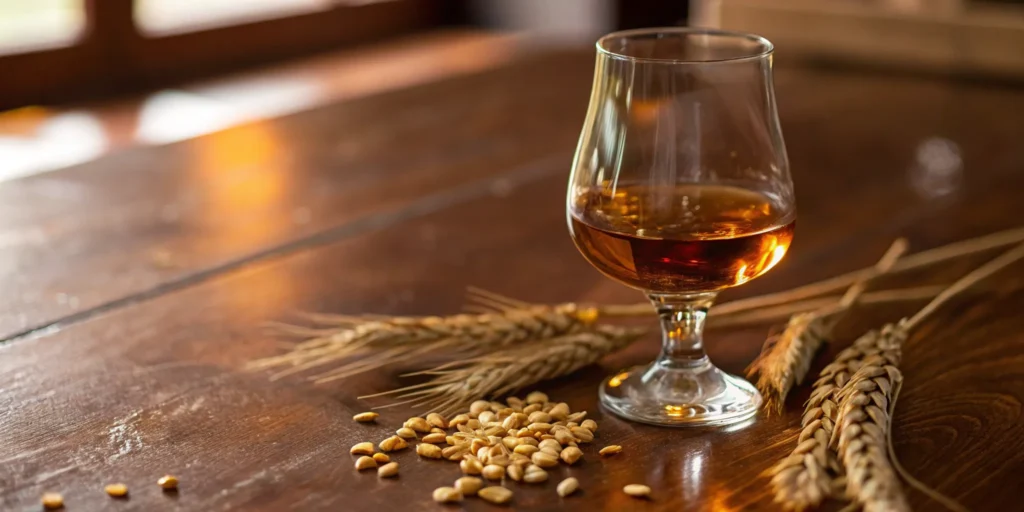
The world of bourbon is built on tradition, from the specific grain bills to the charred oak barrels that give the spirit its character. But how does this time-honored process fit in with modern dietary needs? Many assume that because bourbon starts with wheat or rye, it’s off the table for a gluten-free diet. The truth is found in the art of distillation, a purification process that fundamentally changes the liquid. We’ll explore exactly how this works, helping you understand if bourbon is gluten free and how to choose a pure, beautifully crafted spirit like Mary Dowling.
Key Takeaways
- Trust the distillation process: The science is simple—distillation separates the alcohol from the heavy gluten proteins in the original grain mash. This is why pure, straight bourbon is considered gluten-free, even when made with wheat or rye.
- Choose pure spirits over flavored ones: The biggest risk for hidden gluten comes from flavorings and additives introduced after distillation. To stay safe, stick with straight bourbon and avoid anything with added honey, cinnamon, or other flavorings.
- Listen to your body and your doctor: Since bourbon can’t be officially labeled ‘gluten-free,’ personal diligence is key. Always consult your doctor if you have celiac disease, and start with a small pour of straight bourbon to see how you feel.
How Is Bourbon Made?
To get to the bottom of the gluten question, it helps to understand a little about how bourbon comes to life. The magic happens in a few key steps, starting with the grains and ending with a process that fundamentally changes the liquid. It’s this transformation that holds the answer for anyone needing to sip safely. The journey from grain to glass is where the science of gluten removal takes place, making bourbon an intriguing spirit for those with dietary sensitivities.
What’s in the Grain Bill?
Every bourbon begins its journey as a mix of grains, known as the “grain bill” or “mash.” To legally be called bourbon, this recipe must contain at least 51% corn. The rest is typically a blend of other grains like wheat, rye, or barley—all of which contain gluten. These “flavoring grains” are what give each bourbon its unique character, from spicy to sweet. For example, our award-winning whiskeys are crafted with distinctive mash bills to create a one-of-a-kind tasting experience. So, at this early stage, the ingredients definitely contain gluten. But the story doesn’t end here.
How Distillation Removes Gluten
This is where the science comes in. After the grains are mashed and fermented, the liquid goes through distillation. Think of it like boiling a pot of soup—the steam that rises is pure water vapor, leaving the solid vegetables and seasonings behind. Distillation works similarly. The mixture is heated until the alcohol evaporates, separating it from the solid parts of the grain mash, including the heavy gluten proteins. This alcohol vapor is then cooled and condensed back into a liquid. Because the gluten is left behind, the resulting spirit—pure, distilled bourbon—is considered gluten-free. It’s a clean separation that makes all the difference.
Does Distillation Make Bourbon Gluten-Free?
It seems counterintuitive, right? Bourbon starts with a mash bill that often includes wheat, rye, or barley—all major sources of gluten. Yet, the final spirit is widely considered safe for those with gluten sensitivities. The magic happens during distillation, a process of purification that fundamentally changes the liquid’s composition. Think of it as a great separation, where the desirable alcohol is carefully parted from the undesirable elements, including those pesky gluten proteins.
This is fantastic news for anyone who has to be mindful of gluten but still wants to enjoy a beautifully crafted spirit. The science of distillation is what allows the rich, complex flavors from the grain to be carried into the final product without bringing the gluten along for the ride. Let’s break down exactly how this process works to give you peace of mind with your next pour.
Separating Alcohol from Gluten Proteins
Distillation is essentially a heating and cooling process designed to separate liquids based on their different boiling points. During this process, the fermented grain mash is heated until the alcohol turns into vapor. Because alcohol has a lower boiling point than water, it evaporates first, leaving the solids—including the heavy gluten proteins—behind. This alcohol vapor then travels into a condenser, where it’s cooled and turned back into a high-proof, purified liquid. This is the spirit that will eventually become bourbon. The key takeaway is that the gluten from the original grains never makes it into the vapor and, therefore, isn’t present in the final distilled liquid.
Why Gluten Doesn’t Evaporate
So, why does the alcohol turn to vapor while the gluten stays put? It all comes down to chemistry. Gluten is a protein, and proteins are not volatile. This means they don’t easily turn into a gas when heated. They are heavy, complex molecules that remain in the solid mash at the bottom of the still. The distillation process is specifically designed to capture the volatile compounds—like alcohol and the aromatic esters that give bourbon its flavor—while leaving non-volatile substances behind. Because gluten can’t evaporate, it gets completely removed from the equation, ensuring the spirit that moves on to the aging process is clean and pure.
What’s Left in the Final Product
After distillation, what you’re left with is a pure spirit, free from the gluten proteins found in the original grains. According to the experts at Beyond Celiac, this process makes most bourbons safe for people with celiac disease. The final liquid that goes into the barrel for aging contains alcohol, water, and congeners (the flavor compounds), but no gluten. So, when you pour a glass of pure, distilled bourbon like Mary Dowling, you can be confident that you’re enjoying a spirit that has left its gluten origins far behind in the still. This is why even bourbons with wheat or rye in their mash bill are considered gluten-free.
When Bourbon Isn’t Gluten-Free: What to Watch For
While the science of distillation gives us confidence that pure bourbon is gluten-free, the journey from grain to glass isn’t always that simple. Certain production choices can reintroduce gluten after the fact, which is why it’s so important to know what you’re looking for. Think of it less as a strict rule and more as a guideline—pure, distilled bourbon is safe, but you need to be mindful of what happens to it after it leaves the still.
The main things to keep an eye on are flavored whiskeys, post-distillation additives, and the potential for cross-contamination at the production facility. For most people, these factors won’t be an issue, but if you have Celiac disease or a high sensitivity to gluten, being aware of these exceptions is key to sipping safely. It’s all about empowering yourself with the right information to choose your bourbon with confidence.
Pure vs. Flavored Bourbon
The most significant distinction to make is between pure and flavored bourbon. Pure, distilled bourbon is considered gluten-free, even when its mash bill includes wheat, barley, or rye. The distillation process effectively removes the gluten proteins. However, the game changes completely when flavorings are introduced. Flavored bourbons—think honey, apple, or cinnamon varieties—often have these ingredients added after distillation. Unfortunately, some of these additives can contain gluten, turning a previously safe spirit into one you need to avoid. Always approach flavored whiskeys with a healthy dose of skepticism and do your research before you pour.
Watch Out for Additives and Coloring
Beyond obvious flavorings, other additives can also be a source of hidden gluten. While straight bourbon whiskey has strict production rules that forbid most additives, this isn’t true for all whiskeys. Some producers might add coloring, like caramel color, or other ingredients to alter the final product’s taste and appearance. While many of these are gluten-free, some are not. This is where reading labels and knowing your brands becomes crucial. If a bottle doesn’t explicitly state what’s in it, and it’s not labeled as “straight bourbon,” it’s worth a closer look. When in doubt, contacting the distillery directly is the best way to get a clear answer.
The Risk of Cross-Contamination
Cross-contamination is a less common but still important factor to consider, especially for those with high sensitivity. This can happen if a bourbon is produced in a facility that also processes gluten-containing products. Even with careful cleaning, there’s a small chance that trace amounts of gluten could find their way into the final product through shared equipment or storage facilities. Reputable distilleries are typically very careful about their processes, but the risk, however small, exists. For anyone with Celiac disease, understanding a brand’s production environment can provide an extra layer of assurance. Organizations like Beyond Celiac offer great resources on this topic.
Your Guide to Gluten-Free Bourbon Brands
Now that you understand how distillation works, you can feel more confident when choosing a bourbon. While most pure, straight bourbons are safe for those avoiding gluten, some products introduce additives after distillation that can cause problems. Knowing how to tell the difference is key. Think of it as learning to read between the lines on a whiskey label. It’s about spotting what’s there—and what isn’t—to ensure every pour is a pleasant one.
This guide will give you the tools to identify trusted brands, decipher labels, and recognize the red flags that signal potential hidden gluten. With a little practice, you’ll be able to pick out a great, gluten-free-friendly bourbon with ease.
Trusted Brands, Including Mary Dowling
The good news is that the vast majority of straight bourbons are perfectly fine to enjoy. Because they are pure distilled spirits, the gluten proteins from the mash bill are left behind. Brands like Jim Beam, Maker’s Mark, Wild Turkey, and Four Roses are generally considered safe choices. At Mary Dowling Whiskey Co., we honor the traditional bourbon-making process, ensuring our whiskeys are meticulously crafted and free of post-distillation additives. When you stick with distillers who are passionate about the purity of their spirit, you’re almost always on safe ground. These brands focus on the character of the grain and the barrel, not on extra flavorings.
How to Read Labels for Hidden Gluten
Here’s a tricky part you should know: you won’t find the words “gluten-free” on a bourbon bottle. According to the Alcohol and Tobacco Tax and Trade Bureau (TTB), any alcohol that starts with a gluten-containing grain cannot be officially labeled as gluten-free. This rule exists even though the distillation process removes the gluten proteins. So, don’t let the absence of a gluten-free certification throw you off. Instead, scan the label for what is there. Look for terms like “straight bourbon whiskey,” which indicates a pure product. Be cautious with bourbons that have added flavorings, as these ingredients are introduced after distillation and could contain gluten.
Spotting Red Flags in Flavored Whiskeys
If you want to play it safe, your best bet is to steer clear of flavored whiskeys. That bottle of honey, cinnamon, or apple bourbon might sound tempting, but those flavors are added after the spirit has been distilled. The additives, syrups, and coloring used to create these flavors can be a source of hidden gluten. A pure, straight bourbon gets its complex notes of caramel, vanilla, and spice from the grains and the charred oak barrel it ages in—not from a list of extra ingredients. If the label reads more like a dessert recipe than a whiskey, consider it a red flag and opt for a classic, unflavored bourbon instead.
Drinking Bourbon with Celiac Disease: What to Know
Even though the science of distillation points to pure bourbon being gluten-free, approaching alcohol with a medical condition like celiac disease requires extra care. The most important thing is to make an informed decision that feels right for you and your body. While many people with gluten sensitivities enjoy bourbon without issue, the experience isn’t universal. Your personal health and peace of mind should always guide your choices. Before you pour a glass, here are a few practical steps to consider.
Always Talk to Your Doctor First
This is the most critical step, and there are no shortcuts. If you have celiac disease or a serious gluten sensitivity, you should always check with your doctor before drinking whiskey or bourbon. Your doctor understands your specific health profile and can give you personalized advice that a blog post never can. They can help you understand the potential risks and make a decision based on your medical history. Think of it as your first and most important line of defense in protecting your health while exploring the world of spirits. For more general guidance, the Celiac Disease Foundation offers helpful information on alcohol consumption.
Know Your Personal Sensitivity
Whether someone with a gluten intolerance can drink bourbon is incredibly personal. Many people with gluten issues report having no problems with distilled spirits, while others, including some with celiac disease, may still experience a reaction. Sensitivities vary widely, and what works for one person might not work for you. Some individuals are sensitive to even the smallest trace amounts of gluten that could potentially be introduced after distillation, perhaps through cross-contamination or additives. It’s all about listening to your body and honoring its signals. Trust your own experience above anyone else’s.
Start Small and Pay Attention
If you and your doctor decide it’s safe for you to try bourbon, the key is to proceed with caution. Begin with a very small amount of a pure, straight bourbon—like one of Mary Dowling’s award-winning whiskeys—to see how your body reacts. Avoid cocktails or mixers at first, as they can introduce other variables. Pay close attention to how you feel not just immediately after, but over the next 24 to 48 hours. This careful approach allows you to test your own tolerance in a controlled way, empowering you to discover what works for you without taking unnecessary risks.
Why Isn’t Bourbon Labeled ‘Gluten-Free’?
If you’ve ever wondered why you don’t see a “gluten-free” seal on your favorite bottle of bourbon, you’re not alone. Even though pure, distilled bourbon is generally considered safe for people with gluten sensitivities, the lack of official labeling can be confusing. The reason has less to do with what’s in the final product and more to do with strict government regulations about how it’s made.
It all boils down to the starting ingredients. Since bourbon begins with a mash bill that includes gluten-containing grains like wheat, rye, or barley, it falls into a specific category that prevents it from being officially certified as gluten-free. Let’s break down what these rules mean and how you can make informed choices.
The Official Rules on Labeling
The main reason you won’t find a “gluten-free” label on bourbon is due to the guidelines set by the Alcohol and Tobacco Tax and Trade Bureau (TTB). The TTB’s policy states that if a product is made from ingredients that contain gluten, it cannot be labeled as “gluten-free,” even if the final product has no detectable gluten. Because bourbon’s journey starts with grains like corn, rye, and barley, it falls under this rule. The distillation process effectively removes the gluten proteins, but the government’s labeling rules focus on the origin of the ingredients, not just the end result in the bottle.
Clearing Up Common Misconceptions
This labeling technicality creates a lot of confusion. When you’re in the store, the absence of a gluten-free label might make you hesitate. However, it’s important to understand that this is a regulatory issue, not necessarily a statement about the bourbon’s gluten content. For pure, distilled spirits, the process is designed to separate the alcohol from everything else, including the proteins that trigger gluten sensitivities. So, while you won’t see the certification on the bottle, it doesn’t mean the bourbon isn’t safe to drink. It simply means the brand is following the official TTB guidelines for a product derived from gluten-containing grains.
Where to Find Reliable Information
When it comes to your health, it’s always best to be cautious and well-informed. If you have celiac disease or a severe gluten sensitivity, the first and most important step is to talk with your doctor about consuming distilled spirits. Beyond that, the biggest thing to watch for is what happens after distillation. Stick to straight, unflavored bourbons. The risk of hidden gluten comes from additives, flavorings, or colorings that might be introduced after the spirit is distilled. Always read the full description, and be wary of anything that sounds like it might have a syrupy or pre-mixed component.
Related Articles
Frequently Asked Questions
So, is all bourbon gluten-free? For the most part, yes. If you’re drinking a pure, straight bourbon, you can feel confident that the distillation process has removed the gluten proteins from the original grains. The main exceptions are flavored whiskeys or special editions where additives, syrups, or colorings are introduced after distillation. The key is to stick with the pure stuff to ensure your drink is clean.
Why don’t bourbon bottles have a “gluten-free” label? This is purely a regulatory issue. Government guidelines state that if a product starts with a gluten-containing ingredient—like wheat, rye, or barley in a mash bill—it can’t be officially labeled “gluten-free.” This rule holds true even though the science of distillation removes the gluten. So, the absence of a label isn’t a warning, but rather a reflection of the rules brands must follow.
What about “wheated” bourbons? Are they still safe? Yes, they are. This is a perfect example of how effective distillation is. A wheated bourbon simply means that wheat is the secondary grain in the mash bill instead of rye. While the raw ingredients contain plenty of gluten, the distillation process separates the alcohol from the heavy gluten proteins. The desirable flavors from the wheat make it into the final spirit, but the gluten itself gets left behind.
Are flavored whiskeys always off-limits? It’s best to approach them with caution. The flavorings in products like honey or apple whiskey are added after the spirit has been distilled, and those additives could contain gluten. Since brands aren’t always required to list every ingredient in their flavoring, it’s hard to know for sure what’s in the bottle. Your safest bet is to stick with a straight bourbon and create your own cocktails with ingredients you trust.
I have celiac disease. What’s the single most important thing to remember? The most critical step is to speak with your doctor before trying any bourbon. Your health and sensitivity are unique, and a medical professional can give you advice tailored specifically to you. If you get the green light, start with a very small amount of a pure, unflavored bourbon to see how your body personally responds. Your well-being should always be the top priority.

Justin Pakdaman is the Marketing Director for Mary Dowling Whiskey Co., where he leads brand storytelling, digital strategy, and consumer engagement. Justin has years of experience building premium spirits brands.