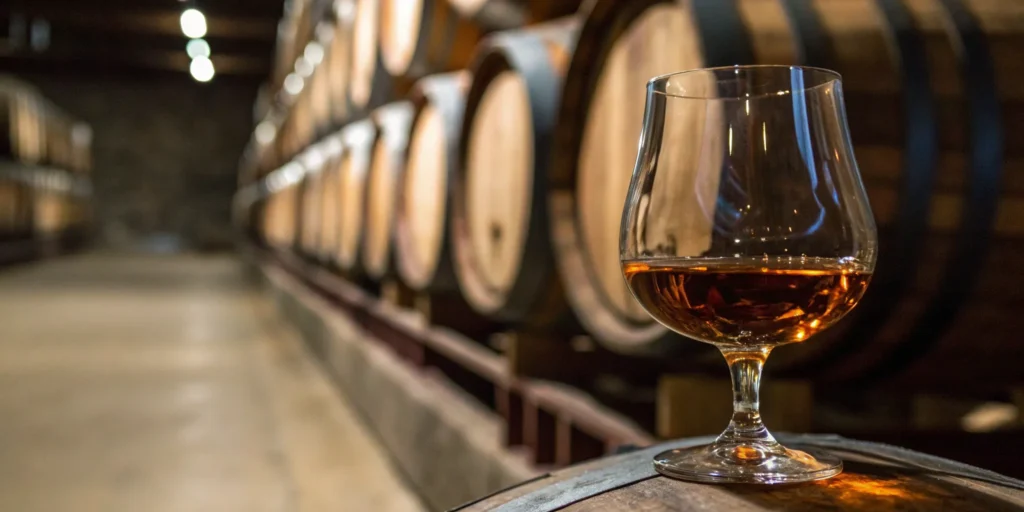
Every great whiskey tells a story of grain, wood, and time. But a cask-finished bourbon tells two. The first story is the one you know: a classic bourbon, aged for years in new charred oak, developing its signature notes of caramel and vanilla. The second story comes from the barrel it rests in next—a cask that once held port wine, tequila, or sherry. This final aging step weaves a new narrative into the spirit, adding layers of flavor and complexity. It’s a practice that honors tradition while bravely pushing boundaries, much like our own namesake, Mary Dowling. Exploring unique bourbon finishes is about discovering these fascinating stories, one delicious sip at a time.
Key Takeaways
- Finishing Enhances, It Doesn’t Erase: A quality cask finish adds a new dimension of flavor from a secondary barrel—like port or tequila—without overpowering the classic bourbon character you already love. It’s about creating complexity, not a cover-up.
- Let Your Taste Guide Your Choice: The secondary barrel determines the final flavor profile, so pick a finish that aligns with what you already enjoy. Love red wine? Go for a port cask. Prefer something bright and unexpected? A tequila barrel finish is a great place to start.
- Let the Bourbon Lead in Cocktails: When mixing with a finished bourbon, choose simple, spirit-forward recipes like an Old Fashioned or a Manhattan. This approach allows the unique notes from the finishing cask to be the star of the drink, rather than getting lost behind other strong flavors.
Cask-Finished vs. Traditional: What’s the Real Difference?
When you’re standing in the whiskey aisle, the difference between a traditional bourbon and a cask-finished one might seem a little hazy. Let’s clear it up. At its core, traditional bourbon has a straightforward aging process defined by law: it must be aged in new, charred oak barrels. This is what gives bourbon its signature notes of caramel, vanilla, and toasted oak—the classic, comforting profile many of us love. It’s the bedrock of American whiskey, a reliable and delicious standard.
Cask-finishing, on the other hand, is where distillers get to color outside the lines. A cask-finished bourbon starts its life as a traditional bourbon, aging for years in that new, charred oak. But instead of going straight into the bottle, it takes a detour. It’s moved into a second, different barrel for a final aging period that can last anywhere from a few months to over a year. This second barrel is the key—it has already been used to age something else, like port wine, sherry, tequila, or rum. This process adds entirely new layers of flavor and aroma, creating a more complex and unique spirit.
So, what’s the real difference in your glass? A traditional bourbon gives you a pure expression of the grain and new oak. A cask-finished bourbon offers that same foundation but with an added dimension. The goal isn’t to mask the original bourbon but to enhance it. A good finish should still let the bourbon’s character shine through, complemented by the new notes it picked up. For instance, a port barrel finish might add hints of dark fruit and chocolate, while a sherry cask can introduce nutty, dried fruit flavors. It’s a creative practice that results in some of the best unique cask finished bourbons available, offering a whole new world of tastes for the curious drinker to explore.
How Cask Finishes Shape a Bourbon’s Flavor
The magic of a cask-finished bourbon lies in its final aging step. After spending years in a new charred oak barrel, the bourbon is transferred to a second, used cask for a finishing period. This secondary barrel has its own history—it might have previously held wine, sherry, rum, or even beer. The bourbon soaks up the residual flavors and aromas from the barrel’s wood, creating a spirit with incredible depth and complexity.
Think of it as the final, masterful touch from the distiller. The original bourbon provides the foundation—the notes of caramel, vanilla, and spice you know and love—while the finishing cask adds a unique top layer of flavor. This process allows for endless creativity, resulting in bourbons that can be fruity, nutty, sweet, or savory. It’s this artful layering that makes exploring finished bourbons so exciting. Each bottle tells a story not just of its own aging, but of the life of the barrel it was finished in. Our own Mary Dowling whiskeys are a testament to this process, born from a legacy of defying convention.
Wine and Port Barrels
If you enjoy a glass of red wine, a port-finished bourbon is a fantastic place to start your journey. When bourbon rests in barrels that once held port or other wines, it picks up luscious notes of dark fruit. You can expect to taste flavors like black cherry, ripe plum, and blackberry, which add a layer of jammy sweetness to the bourbon’s classic caramel and oak profile. This finish creates a beautifully balanced and approachable spirit, making it a favorite for both sipping neat and using in classic cocktails. It’s a finish that adds a touch of elegance and a rich, velvety texture.
Sherry and Madeira Casks
For those who prefer a deeper, more contemplative spirit, bourbons finished in sherry or Madeira casks are an excellent choice. These barrels, traditionally used for aging fortified wines, impart rich, nutty, and dried fruit characteristics. Imagine flavors of raisin, fig, and dates mingling with hints of almond and walnut, all wrapped up with a subtle, warming spice. This finishing process results in a complex and robust bourbon that’s perfect for slow sipping. The influence of the sherry cask, in particular, can add a wonderfully savory quality that stands up to the sweetness of the corn in the bourbon mash bill.
Rum and Cognac Barrels
Finishing bourbon in rum or cognac barrels introduces two very different, yet equally delightful, flavor profiles. Rum barrels lend a wave of tropical sweetness, infusing the whiskey with notes of molasses, brown sugar, and a hint of island spice. It’s a fun, vibrant finish that can make you feel like you’re on vacation. On the other hand, cognac casks offer a more delicate and sophisticated touch. They contribute subtle notes of stone fruit like apricot and pear, along with a gentle spice that creates a refined and layered tasting experience. Both are fantastic for creating unique cocktail recipes.
Beer and Stout Barrels
A bourbon finished in a beer or stout barrel is a truly modern and adventurous creation. This finish is perfect for anyone who appreciates the rich, roasted flavors of a dark beer. The bourbon soaks up notes of chocolate, espresso, and toasted malt from the stout-seasoned wood, often with a creamy character that softens the spirit’s edges. Depending on the type of beer used, you might even find a hint of hoppy bitterness that adds an intriguing counterpoint to the bourbon’s inherent sweetness. It’s a bold, complex finish that bridges the gap between the worlds of craft beer and fine whiskey.
What Are the Most Innovative Bourbon Finishes?
While classic wine and sherry casks have long been the go-to for finishing bourbon, today’s distillers are venturing into much more creative territory. They’re experimenting with barrels that have held everything from sweet syrups to smoky agave spirits, and even using exotic woods that introduce entirely new flavor dimensions. This spirit of innovation is pushing the boundaries of what bourbon can be, offering a playground of taste for anyone curious enough to explore.
These unique finishes aren’t just about novelty; they’re a thoughtful craft. The secondary aging process, where a fully matured bourbon rests in a second barrel, can last anywhere from a few months to over a year. During this time, the whiskey soaks up the distinct character of its new environment. The result is a complex, layered spirit that tells a story of two different worlds colliding in a single bottle. For those of us who love a good story with our whiskey, these innovative expressions are some of the most exciting things happening in the bourbon world right now.
Maple Syrup and Honey Barrels
If you have a bit of a sweet tooth, finishes from maple syrup and honey barrels are a dream come true. Imagine the warm, comforting notes of a pancake breakfast infused into your favorite bourbon. When whiskey is aged in a barrel that once held pure maple syrup, it picks up a rich, velvety sweetness with hints of vanilla and caramel. Honey barrel finishing offers a slightly different profile, often imparting delicate floral notes and a silky texture that beautifully complements the bourbon’s inherent spice. These finishes are a fantastic example of how distillers can add layers of flavor that feel both indulgent and perfectly balanced.
Tequila and Mezcal Barrels
For a walk on the wilder side, look no further than bourbons finished in tequila and mezcal casks. This is where two beloved spirits meet, creating a profile that’s vibrant and unexpected. A tequila barrel finish can introduce bright, grassy, and citrusy agave notes that cut through the richness of the bourbon, making for a lively and refreshing sip. If the barrel previously held mezcal, you might find an added layer of earthy smoke, adding a rustic complexity. It’s a bold move that pays off, resulting in a whiskey that challenges convention and excites the palate.
Amburana and Other Exotic Woods
Some of the most fascinating innovations in finishing have less to do with what was in the barrel and more to do with the barrel itself. Enter Amburana, a Brazilian hardwood that imparts an intense and unmistakable flavor. Whiskies finished in Amburana casks are often described as tasting like Christmas in a glass, bursting with powerful notes of cinnamon, clove, gingerbread, and vanilla. It’s a spice bomb in the best way possible. Beyond Amburana, distillers are exploring other woods from around the globe, each contributing its own unique profile and expanding the whiskey flavor map.
Japanese Whisky and Armagnac Casks
For a touch of refined elegance, finishes from Japanese whisky and Armagnac casks are hard to beat. Japanese Mizunara oak is famous for imparting unique and subtle notes of sandalwood, coconut, and incense, creating a serene and complex character. Armagnac, a rustic French brandy, offers a different kind of sophistication. Barrels that once held this spirit can give a bourbon deep, dark fruit notes of prune and fig, along with nutty, earthy undertones. These finishes often result in exceptionally complex and sought-after spirits, showcasing the kind of meticulous craftsmanship you’ll find in our own Mary Dowling whiskeys.
Which Brands Are Nailing Unique Bourbon Finishes?
When you’re ready to explore the world of cask-finished bourbon, it helps to know which distillers are leading the way. Some brands have built their entire identity around innovative finishing, while others release special expressions that showcase their creativity. These are the names that consistently get it right, blending tradition with a forward-thinking approach to flavor. From tequila casks to barrels that have sailed the high seas, these bourbons offer a taste of something truly different and are perfect examples of how finishing can transform a great spirit into an unforgettable one.
Mary Dowling Whiskey Co.
It’s only fitting that a whiskey honoring a trailblazer like Mary Dowling would defy convention. Our Tequila Barrel Finished Bourbon is a testament to her innovative spirit, resting our Kentucky Straight Bourbon in casks that once held tequila. This unique process imparts bright, warm notes of citrus and toasted agave that beautifully complement the bourbon’s traditional character. It’s a bold, surprising pour that reflects a legacy of resilience and creativity. If you’re looking for a finish that’s both unexpected and exceptionally smooth, you can explore all of our whiskeys and find a new favorite.
Angel’s Envy Port Barrel Finished
If you’re just starting to explore finished bourbons, Angel’s Envy is a fantastic place to begin. Their flagship expression is aged in ruby port wine barrels, a process that imparts a beautiful reddish hue and a wonderfully accessible flavor profile. You’ll find notes of ripe red fruit, vanilla, maple syrup, and a touch of dark chocolate on the finish. It’s exceptionally smooth and well-balanced, making it a crowd-pleaser that still feels special. This bourbon proves that a unique finish doesn’t have to be intimidating; it can be inviting, elegant, and absolutely delicious.
Woodford Reserve Double Oaked
Woodford Reserve takes a different approach by finishing its bourbon in a second, brand-new oak barrel. This second barrel is deeply toasted before a light charring, which intensifies the flavors drawn from the wood. The result is a rich, decadent bourbon with powerful notes of chocolate, caramel, toffee, and toasted marshmallow. It’s a perfect example of how distillers can create new layers of complexity without using a different type of spirit cask. The Double Oaked is a must-try for anyone who loves a deep, sweet, and robustly flavored bourbon.
Michter’s Toasted Barrel Finish
Michter’s has earned a devoted following for its Toasted Barrel Finish Bourbon, and for good reason. Instead of using a barrel with a heavy char, this bourbon is finished in a cask that has been toasted over a fire. This subtle difference has a major impact on the flavor. The toasting process enhances the bourbon’s natural sweetness and brings out delicate notes of smoke, spice, and campfire marshmallow without the intensity of a deep char. It’s a nuanced and elegant spirit that showcases incredible craftsmanship and a deep understanding of how wood influences whiskey.
Jefferson’s Ocean Aged at Sea
For a truly one-of-a-kind experience, look no further than Jefferson’s Ocean Aged at Sea. This bourbon takes a novel journey, aging in barrels on ships that cross the equator multiple times. The constant motion of the waves ensures the whiskey has more contact with the barrel walls, while the salty sea air permeates the wood. This imparts a distinct savory, briny quality that you won’t find anywhere else, beautifully complementing the traditional caramel and vanilla notes. It’s a fantastic story in a bottle and a testament to how environment can shape flavor.
Joseph Magnus Triple Cask Finish
Joseph Magnus offers a masterclass in blending and finishing with its Triple Cask Finish Bourbon. This expression is a marriage of straight bourbons finished in three different types of casks: Oloroso sherry, Pedro Ximénez sherry, and cognac. Each barrel contributes its own unique character, resulting in a remarkably complex and layered spirit. You’ll find notes of dark fruit, citrus, and nuts from the sherry casks, along with a rich, velvety texture from the cognac finish. It’s an intricate and highly praised bourbon that delivers a premium tasting experience.
How to Spot a High-Quality Cask-Finished Bourbon
With so many cask-finished bourbons hitting the shelves, it can be tough to tell which ones are truly special and which are just hiding behind a flashy finish. A great finished bourbon is all about balance—the secondary cask should complement and enhance the original spirit, not overpower it. The goal is to create new layers of complexity, resulting in a whiskey that’s both familiar and excitingly different. Think of it as a conversation between two barrels, with the final bourbon telling the complete story. Spotting a quality bottle comes down to knowing what to look for on the label, understanding the process, and having an idea of the flavors you enjoy. These simple steps will help you choose a bottle that delivers a thoughtful, well-integrated tasting experience every time.
Read the Label for Key Details
The label is your first and best source of information. Beyond the brand name, look for specifics about the finishing process. A quality producer will be transparent about the type of cask used for finishing—was it a port wine barrel, a sherry butt, or maybe an Armagnac cask? Some labels might even tell you how long the bourbon spent in that second barrel. While there’s no magic number, this detail shows the distiller is proud of their process. Look for the words “Straight Bourbon Whiskey Finished In…” which tells you the base spirit met all the legal requirements of a straight bourbon before it went into the finishing barrel. You can see how we detail our whiskeys to get a sense of what to look for.
Understand the Aging Process
At its core, cask-finished bourbon is a whiskey that gets extra aging in a second, different barrel after its initial maturation in new charred oak. This secondary barrel could have previously held anything from port or sherry to tequila or rum. The purpose isn’t to mask a young or imperfect bourbon, but to add specific layers of flavor and aroma. A well-crafted finish should feel seamless. When you taste it, the notes from the finishing cask should be woven into the bourbon’s classic caramel, vanilla, and oak profile, creating a richer, more complex spirit. It’s a delicate art that requires patience and a deep understanding of how flavors interact over time.
Know What Flavors to Expect
Knowing what flavors different barrels can impart will help you choose a finish that suits your palate. Each type of cask brings its own unique character to the bourbon. For example, port and other red wine barrels tend to add sweet, fruity notes of dark cherry, plum, and berries. Sherry and Madeira casks often introduce rich, nutty flavors like raisin, fig, and almond, along with a touch of spice. If you see a rum cask finish, you can anticipate sweeter notes of molasses, brown sugar, and tropical fruit. Understanding these profiles helps you anticipate the taste and makes it easier to find new favorites or create delicious cocktail recipes.
What to Expect From Your First Sip
When you pour a glass of cask-finished bourbon, you’re preparing for a more complex tasting experience. Unlike traditional bourbon, which draws its flavor from a single new charred oak barrel, a finished bourbon has a second story to tell. The key is to approach it with curiosity and pay attention to the subtle layers the secondary cask introduces. It’s not just about tasting something different; it’s about understanding how that difference was achieved and appreciating the artistry behind the balance of flavors.
Pinpoint the Finishing Notes
Your first step is to identify what the finishing barrel brought to the party. A cask-finished bourbon gets extra aging in a barrel that previously held another spirit, like port, sherry, or rum. This process adds distinct layers of flavor and aroma. Before you even take a sip, give the whiskey a good nosing. Do you detect dark fruits, chocolate, or a hint of wine? When you do take a sip, let it sit on your tongue for a moment. Try to separate the classic bourbon notes from the newer, more nuanced ones. Is there a jammy sweetness from a port cask or a nutty, dry character from a sherry cask? This is your chance to play detective with your palate.
Compare It to an Unfinished Bourbon
A quality cask finish should complement the bourbon, not overpower it. The original character of the whiskey—those familiar notes of caramel, vanilla, and oak—should still be the foundation of the spirit. The finish is an enhancement, an added layer of complexity that makes the bourbon more interesting. A great way to understand this is to taste it alongside a traditional, unfinished bourbon. This side-by-side comparison will highlight exactly what the secondary aging contributed. You’ll notice how the finish either pulls forward certain notes in the original bourbon or introduces entirely new ones, creating a beautifully integrated and unique final product.
How to Mix Cocktails with Finished Bourbons
While many whiskey lovers prefer to sip a cask-finished bourbon neat to appreciate every nuance, these complex spirits can also form the foundation of an incredible cocktail. The secret is to mix with intention. You’re not trying to mask the bourbon’s character; you’re aiming to complement it. A finished bourbon has gone through a secondary aging process in a different type of barrel—one that might have previously held port wine, tequila, or sherry—which adds distinct layers of flavor that traditional bourbons don’t have. This extra step is what gives the whiskey its unique personality, and it’s a personality you want to showcase, not hide.
When building a cocktail, think of yourself as a supporting actor. The bourbon is the star, and your other ingredients should help it shine. Simple, spirit-forward recipes are often your best bet, as they provide a framework for the bourbon’s unique finish to stand out. Forget about drowning it in sugary mixers or overpowering juices. Instead, choose high-quality ingredients that will harmonize with the notes imparted by that secondary cask. This thoughtful approach creates a drink that’s balanced, memorable, and far more interesting than its traditional counterpart. It’s about creating a conversation between the spirit and the other elements in your glass.
Recipes That Let the Finish Shine
To let a finished bourbon’s character take center stage, stick to the classics. An Old Fashioned, a Manhattan, or a simple Whiskey Sour are perfect canvases because they don’t hide the spirit. For example, try making an Old Fashioned with a bourbon finished in port wine barrels, like our Mary Dowling Double Oak Barrel. The rich, dark fruit notes from the port cask will beautifully complement the demerara syrup and aromatic bitters. The key is simplicity: use a good, clear ice cube, a fresh citrus peel for garnish, and let the bourbon do the heavy lifting. This approach ensures the unique finish is the first and last thing you taste.
Find the Perfect Mixer
Choosing the right mixer starts with understanding your own palate and the profile of the bourbon. A great rule of thumb is to match the finish with flavors you already enjoy. If you’re a fan of red wine, a bourbon aged in port or cabernet barrels will likely resonate with you and pair well with vermouths or berry liqueurs. If you love the bright, agave notes of tequila, a tequila-barrel finished bourbon is a natural fit. Our Tequila Barrel Finished Bourbon works beautifully with grapefruit soda and a squeeze of lime for a refreshing highball that honors both spirits.
Mix Up Some Seasonal Cocktails
Matching your bourbon’s finish to seasonal ingredients is a fantastic way to create timely and delicious drinks. In the fall, a sherry or port-finished bourbon is a perfect match for apple cider, maple syrup, and a touch of cinnamon. The warm, nutty, and dried-fruit notes from the cask finish blend seamlessly with classic autumn flavors. For warmer weather, think tropical. A rum-finished bourbon is brilliant with pineapple juice and lime, while a tequila-finished expression can create a stunning summer sipper. For more ideas, you can always explore our list of bourbon recipes for year-round inspiration.
Where to Find and Buy Unique Finished Bourbons
Once you start exploring the world of cask-finished bourbons, the next exciting step is tracking down a bottle to try for yourself. Finding these unique expressions is part of the adventure. While some finished bourbons are widely available, many of the most interesting ones are part of smaller, limited runs that require a bit of searching. Think of it as a treasure hunt for your new favorite spirit.
Whether you prefer the personalized experience of a local shop or the convenience of online shopping, there are plenty of avenues to explore. Building relationships with retailers and staying informed about new releases will help you discover incredible bourbons you might otherwise miss. To get started, you can always use our store locator to find retailers near you that carry Mary Dowling’s uniquely finished whiskeys. The key is to know where to look, and soon you’ll be adding some truly special bottles to your home bar.
Specialty Liquor Stores and Premium Shops
Your local specialty liquor store is one of the best resources for discovering unique bourbons. Unlike larger chain stores, these shops often have passionate, knowledgeable staff who can share the stories behind each bottle and offer fantastic recommendations based on your taste. They frequently receive smaller allocations of limited releases that you won’t find anywhere else. Take the time to get to know the owner or bourbon buyer at your favorite local spot. Building that relationship can give you a heads-up on new arrivals and special orders, turning your local shop into a trusted partner in your bourbon journey.
Online Retailers and Distillery Sales
For sheer variety and convenience, it’s hard to beat online retailers. Websites like Caskers and The Bourbon Concierge curate impressive selections of premium and hard-to-find spirits, delivering them right to your door. Another great option is to buy directly from the source. Many distilleries, including our own, allow you to purchase bottles online. This not only supports the craftspeople behind the whiskey but also gives you access to distillery-exclusive releases and the freshest inventory. It’s a direct line to the creators and their most innovative work.
Limited Releases and Auctions
If you’re on the hunt for something truly rare, keeping an eye on limited releases and auctions is the way to go. The best way to stay in the loop is by signing up for newsletters from your favorite distilleries and specialty online retailers. This ensures you’re among the first to know when a special release is announced. For those ultra-rare or discontinued bottles, online auctions can be a goldmine. They are excellent platforms for serious collectors looking to acquire a piece of whiskey history or a highly sought-after expression that is no longer in production.
How Much Should You Expect to Pay?
One of the best things about finished bourbon is that you can find an incredible bottle at almost any budget. The price tag usually reflects factors like the age of the whiskey, the rarity of the finishing barrel, and the length of the secondary aging process. Whether you’re just starting to explore or you’re looking for a rare bottle to add to your collection, there’s a beautifully finished bourbon waiting for you. Let’s break down what you can expect to find at different price points.
Approachable Finishes (Under $75)
Dipping your toes into the world of finished bourbons doesn’t have to be a huge investment. This price range is the perfect place to start your exploration and discover what you like. You’ll find some fantastic bottles that showcase the magic of a good cask finish, like Angel’s Envy Port Cask Finish or Noble Oak Double Oak. These expressions offer a wonderful introduction to how a secondary barrel can add layers of fruit, spice, and sweetness. They prove you can find a complex and delicious pour without a hefty price tag, making them great for both sipping and experimenting in your favorite whiskey recipes.
Premium Expressions ($75-$150)
Ready to see what a little more investment can get you? This is where things get really interesting. In this tier, you’ll find bourbons with more complex flavor profiles and nuanced finishes that showcase true artistry. Distillers are often using older whiskeys or more unique barrels, resulting in a richer, more layered tasting experience. This is also where you’ll find many of our whiskeys, like our Double Oak Barrel and Tequila Barrel finishes. These bottles are perfect for when you want to treat yourself or share a special pour with friends who appreciate a finely crafted spirit.
Ultra-Premium and Limited Releases ($150+)
For the serious collectors and bourbon lovers looking for something truly special, the ultra-premium category is where you’ll find the most innovative and rare gems. These bottles are often limited releases, featuring unique triple-cask finishes like Joseph Magnus Bourbon or highly creative collaborations. The higher price reflects exceptional quality, rarity, and the intricate processes involved in their creation. These are the bottles you save for milestone celebrations or display with pride in your collection. Finding them can be part of the fun, so be sure to check specialty shops or buy online to snag these exclusive releases when they drop.
How to Start Your Finished Bourbon Collection
Building a collection of finished bourbons is a fantastic way to explore the incredible range of flavors whiskey can offer. It’s less about amassing bottles and more about curating a personal library of tastes that you genuinely enjoy. Think of it as an adventure in flavor, where each new bottle tells a unique story shaped by its final maturation. Starting is the easiest part—it just takes a little curiosity and a willingness to try something new.
Choose Your First Bottle
Your first bottle should be something that excites you. Cask-finished bourbon is simply a well-aged bourbon that spends extra time in a second barrel, one that might have previously held port wine, sherry, or even tequila. This process adds layers of complexity and new flavors. The key is to remember that the best finished bourbons always start with a high-quality bourbon as their base. Look for a finish that sounds appealing to you. If you enjoy red wine, a Port or Cabernet finish is a great starting point. If you prefer something richer and sweeter, a Sherry cask finish might be perfect. Don’t be afraid to ask for recommendations at your local spirits shop—they can often point you toward something special.
Store Your Collection Properly
Once you bring a bottle home, you want to keep it in prime condition. Store your bourbon upright to prevent the high-proof spirit from eroding the cork over time. Keep it in a cool, dark place away from direct sunlight and temperature swings, as these can alter the whiskey’s flavor. As your collection grows, it’s also wise to know what you’re buying. Take a moment to inspect the packaging for any damage or typos. A genuine bottle will have a solid, durable cork, while fakes can feel flimsy. Learning how to spot fake bourbon is a useful skill for any collector.
Keep an Eye Out for New Releases
Part of the fun is the hunt for new and interesting bottles. Follow your favorite distilleries on social media or sign up for their newsletters to be the first to know about new releases. Some of the most unique cask finishes are only available directly from the distillery, making a visit a special treat. It’s helpful to understand the difference between limited editions and regular releases. Limited editions are often rare finds that won’t be produced again, while core expressions are easier to replace once you’ve enjoyed them. You can often buy online to access a wider variety than what might be available in your local store.
Related Articles
- 5 Types of Bourbon Finishes: A Flavor Guide
- Kentucky Bourbon vs Tennessee Whiskey: A Full Guide
- 12 Best Unique Cask Finished Bourbons to Try Now
Frequently Asked Questions
Is a cask-finished bourbon still legally a bourbon? Yes, absolutely. To be called a cask-finished bourbon, the spirit must first meet all the legal requirements of a straight bourbon whiskey, which includes being aged in a new, charred oak container. The finishing process is an additional step that happens after this initial maturation. Think of it as an extra layer of artistry on an already complete product. The label will typically clarify this by stating it’s a “Straight Bourbon Whiskey Finished In…” whatever type of barrel was used.
How can I tell if a finish is good or if it’s just hiding a subpar bourbon? This is a great question, and it all comes down to balance. A high-quality finish should complement the bourbon, not completely mask its original character. When you taste it, you should still be able to pick out the foundational notes of caramel, vanilla, and oak from the initial aging. The notes from the finishing cask—whether they’re fruity, nutty, or spicy—should feel like a seamless, integrated layer on top. If all you can taste is the finish and the spirit feels one-dimensional, the distiller may have been trying to cover something up.
I’m pretty new to whiskey. Is a cask-finished bourbon a good place to start? It can be a fantastic place to start! Because finishing adds flavors you might already be familiar with from wine or other spirits, it can make the bourbon feel more approachable. A port or wine cask finish, for example, introduces sweet, fruity notes that can soften the whiskey’s edges and make for a very welcoming first sip. It’s a wonderful way to explore how different flavors can interact and find a profile that really clicks with your palate.
What’s the best way to drink a finished bourbon to really appreciate its flavor? To get the full experience, I always recommend trying your first pour neat, in a glass that lets you appreciate the aroma. This allows you to taste the spirit exactly as the distiller intended and identify all the complex notes from both barrels. After that, feel free to experiment. Adding a single large ice cube or a few drops of water can open up the flavors differently. These bourbons also make incredible cocktails, especially in simple recipes like an Old Fashioned, where the unique finish can truly shine.
Why are cask-finished bourbons often more expensive than traditional ones? The higher price tag reflects the extra time, resources, and craftsmanship that go into making them. The process involves sourcing a second high-quality barrel, which has its own cost, and then aging the bourbon for an additional period, which can range from several months to more than a year. This requires more warehouse space, more labor, and more patience. You’re essentially paying for a second maturation process that creates a more complex and unique final spirit.

Justin Pakdaman is the Marketing Director for Mary Dowling Whiskey Co., where he leads brand storytelling, digital strategy, and consumer engagement. Justin has years of experience building premium spirits brands.