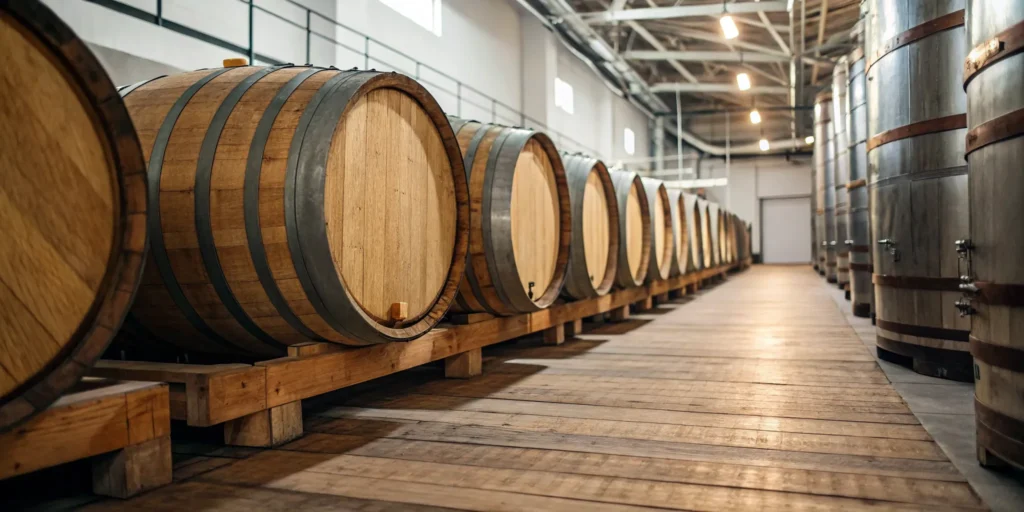
When you pour a glass of bourbon, you’re tasting the story of its time in a barrel. But what happens when that story has a second chapter? That’s the idea behind double oaked whiskey. If you’re asking, “what does double oaked mean?” you’re on the verge of discovering a richer, more complex style of spirit. Instead of being bottled after its initial maturation, the whiskey is moved to a second, freshly charred oak barrel for a finishing period. This second interaction with new wood coaxes out deeper, warmer flavors and creates an incredibly smooth finish. It’s a testament to craftsmanship and a method we use to create our own defiant, memorable spirits.
Key Takeaways
- A Second Barrel Creates a Deeper Spirit: Double oaking is a meticulous process where whiskey is aged in a second new charred oak barrel, a technique used by distillers to intentionally layer flavors and smooth out the final product.
- Look for Rich, Layered Tasting Notes: This finishing method transforms the whiskey, intensifying classic notes like caramel and vanilla while adding complex layers of toasted oak, warm spice, and dark fruit for a full-bodied character.
- Start by Sipping It Neat: To fully appreciate the complex profile, look for bottles that clearly state their double oaked process and enjoy your first pour neat; this allows the spirit’s smooth texture and long finish to shine.
So, What Exactly Is Double Oaked Whiskey?
If you’ve ever wondered what makes a whiskey exceptionally smooth and complex, the answer might be a second barrel. Double oaked whiskey is exactly what it sounds like: a spirit that has been aged twice to deepen its flavor. This technique is all about craftsmanship and patience, creating a rich, layered profile that you just can’t get from a single aging period. It’s a method that reflects a spirit of innovation, much like the one that guided Mary Dowling’s own journey as a bourbon pioneer. Let’s break down how this process works and what it does for the whiskey in your glass.
How the Double Oaking Process Works
The journey of a double oaked whiskey starts just like any other bourbon: it’s aged in a new, charred oak barrel. This is where it gets its foundational color and flavor. But instead of heading straight for the bottle after this initial maturation, the whiskey is given a second home. It’s transferred to a second brand-new, charred oak barrel to continue aging. This second round isn’t just for show; it’s a deliberate step that allows the spirit to interact with fresh wood, drawing out even more character and complexity. This meticulous process is what gives some of our whiskeys their signature depth and finish.
Why Distillers Use a Second Barrel
So, why go through the trouble of using a second barrel? It’s all about layering flavor. The second barrel is often prepared differently to impart specific characteristics. It might be deeply toasted, a process of heating the wood slowly to coax out sweet, delicious notes of vanilla, caramel, and toffee. Then, it’s lightly charred, which involves a quick burn to create a charcoal layer that helps filter and mellow the whiskey without adding too much smokiness. This finishing step allows distillers to build upon the existing flavor profile, adding a new dimension of richness and smoothing out any harsh edges for a more refined final product.
Toasted vs. Charred Barrels: What’s the Difference?
You’ll often hear the words “toasted” and “charred” when discussing barrels, and they aren’t interchangeable. Toasting is a gentle, slow heating process that caramelizes the sugars naturally present in the wood, which later translate into those warm, sweet flavors in the whiskey. Charring, on the other hand, is an intense, rapid burning of the barrel’s interior. This creates a layer of charcoal that acts as a natural filter, removing impurities while contributing classic notes of spice and smoke. For a true double oaked whiskey, the key is that the spirit moves into a second new charred oak barrel, giving it another dose of fresh oak, char, and tannin flavors.
How Double Oaking Changes a Whiskey’s Flavor
Finishing a whiskey in a second barrel does more than just add time to the aging process; it completely transforms the spirit’s character. Because so much of a whiskey’s flavor comes from the wood, this second maturation introduces new layers of depth, aroma, and texture. It’s a deliberate technique distillers use to craft a specific, memorable tasting experience. Let’s get into the specific notes you can expect to find in your glass.
Expect Rich Notes of Vanilla, Caramel, and Dark Fruit
The most immediate change you’ll notice in a double oaked whiskey is an intensified richness. The first barrel gives bourbon its classic foundation, but the second one builds upon it, creating more complex layers. This method deepens flavors like caramel, vanilla, and warm baking spices. Think of it like adding a second coat of paint; the color becomes deeper and more vibrant. The result is a spirit that feels exceptionally smooth and full-bodied. You might also pick up notes of dark fruits like cherry or fig, which come from the interaction between the whiskey and the newly toasted wood.
Uncovering Deeper Oak and Spice Flavors
While the first barrel imparts its share of wood character, the second barrel is where you’ll find more pronounced oak and spice. This barrel is often heavily toasted, which helps release extra wood sugars and compounds like vanillin, the primary component of vanilla extract. This process gives the whiskey a stronger oak presence without becoming bitter. Instead, you get pleasant notes of toasted wood, warm spice, and a subtle smokiness from the char. These deeper flavors provide a beautiful structure that balances the sweeter notes of caramel and fruit.
The Secret to a Smoother, Longer Finish
One of the best parts of a double oaked whiskey is its incredibly smooth texture and lingering finish. The additional time in a new barrel helps soften any youthful, harsh notes, making the spirit feel more mature and integrated. This second aging period rounds out the whiskey, creating a velvety mouthfeel that leads to a long, satisfying finish. As you sip, you might notice flavors that stick around, like dry oak, rich leather, or spiced raisin. This lasting impression is a hallmark of a well-crafted, complex bourbon and a key reason this style is so popular.
Double Oaked vs. Single Barrel: A Quick Comparison
So, how does a double oaked whiskey differ from a single barrel? A single barrel bottling is all about showcasing the unique, one-of-a-kind character of one individual cask. Its flavor profile is a snapshot of that barrel’s life. In contrast, double oaking is an intentional process of layering flavors. Since bourbons get so much of their taste from the barrel, this doubling-up technique creates a more complex and often more balanced flavor profile. Neither is better than the other; they simply offer two distinct, delicious ways to experience whiskey.
How to Spot an Exceptional Double Oaked Whiskey
Now that you know what flavors to expect, let’s talk about how to find a truly outstanding bottle. Not all double oaked whiskeys are created equal, but a little knowledge goes a long way in the whiskey aisle. From the story behind the spirit to the details on the label, here’s what to look for when you’re ready to choose.
A Legacy of Innovation: The Mary Dowling Approach
A great double oaked whiskey starts with a distiller who isn’t afraid to push boundaries, a quality Mary Dowling herself embodied. Our approach honors her legacy by focusing on meticulous craftsmanship. Our Double Oak Cask Strength Kentucky Straight Bourbon is rested in two different oak barrels from Kelvin Cooperage, with the first being heavily toasted to draw out rich, nuanced flavors. This extra step is a testament to our belief that the best things in life are worth the wait. This commitment to a unique finishing process is what sets apart truly memorable expressions of whiskey from the rest of the pack.
What to Look for on the Label
The label is your first clue to the quality inside the bottle. Look for clear terms like “Double Oaked,” “Twice Barreled,” or “Double Barrel Finished.” An exceptional brand will often provide more detail, like the type of barrels used for finishing. As we’ve explored, Double Oak Bourbon offers rich, complex layers from its two-barrel aging, so the label should signal that depth. Think of it as a preview of the whiskey’s journey. The more information a distiller shares about their process, the more confident you can be in the spirit they’ve crafted.
Decoding Proof and Price Points
Since bourbons take much of their flavor from the barrel, this doubling up leads to a more complex flavor profile. To experience that complexity in its purest form, consider a cask strength or higher-proof option. This ensures the flavor isn’t diluted before bottling. You’ll also notice that double oaked whiskeys often come with a higher price tag. This reflects the extra time, labor, and resources required for that second maturation. Think of it not as a cost, but as an investment in a richer, smoother, and more intricate tasting experience.
How to Buy and Best Enjoy Your Bottle
Once you understand the craft behind double oaked whiskey, the next step is bringing a bottle home. This style offers a uniquely rich and layered tasting experience that’s worth savoring. Whether you’re adding to a collection or choosing a special bottle for an occasion, knowing how to find, store, and serve it properly ensures you get the most out of every sip. Think of it as honoring the distiller’s hard work and the spirit’s complex journey. Here’s how to make your double oaked experience a great one, from the moment you buy it to the final, lingering finish.
Where to Find Double Oaked Whiskey
Because of the extra steps involved, double oaked whiskeys are a special find. You can typically locate them at well-stocked liquor stores or specialty retailers that appreciate fine spirits. When you’re browsing, look for labels that specify a two-barrel aging process. If you’re ready to try a bourbon born of resilience, you can use our store locator to find Mary Dowling whiskeys near you. For those who prefer the convenience of shopping from home, you can also buy a bottle online and have it delivered right to your door. It’s an easy way to get your hands on a meticulously crafted spirit.
Tips for Storing and Serving
Proper storage is key to preserving your whiskey’s intricate flavors. Always keep the bottle standing upright in a cool, dark place. Consistent temperature is your friend here, so avoid spots with direct sunlight or big temperature swings, as this protects both the cork and the whiskey inside. When you’re ready to pour, I recommend sipping it neat at first to fully appreciate the complex character. Let it sit in the glass for a few minutes to open up. The rich, deep notes of a double oaked bourbon also make it a fantastic pairing for desserts. If you’re feeling creative, its robust profile provides a beautiful foundation for classic whiskey cocktails.
Ready to Try It for Yourself?
If you enjoy spirits with deep, robust flavors that are less sweet than a typical bourbon, a double oaked expression is an excellent choice. The two-barrel aging process creates rich, complex layers that set it apart from other whiskeys. It’s a style that rewards curiosity, offering a smooth, lingering finish that invites you to take your time and explore its nuances. Each bottle tells a story of patience and craftsmanship. We invite you to discover one of our whiskeys and experience for yourself how a second barrel can transform a spirit into something truly memorable and defiant of convention.
Related Articles
- Double Oak – Mary Dowling Whiskey Co
- Mary Dowling Double Oak Whiskey | Mary Dowling Co.
- Top Double Oaked Bourbon Brands
Frequently Asked Questions
How is double oaking different from just aging a whiskey for longer in a single barrel? Think of it as adding a new set of ingredients. Aging a whiskey longer in one barrel will certainly deepen its character, but the wood eventually gives all it can. By moving the whiskey to a second, brand-new barrel, you introduce a fresh source of oak, char, and caramelized wood sugars. This second step is about intentionally layering new, vibrant flavors on top of the mature foundation, creating a complexity you can’t achieve by just waiting longer.
Will a double oaked whiskey taste too woody? That’s a common concern, but a well-crafted double oaked whiskey is all about balance, not overpowering oak. The goal of the second barrel is to add richness and smooth out the spirit. The process often involves a heavy toasting of the wood, which brings out sweet notes of vanilla and caramel, followed by a light char. This technique adds depth and complexity without the bitter, tannic quality that can come from too much time in a single, overworked barrel.
Are “double oaked” and “double barrel finished” the same thing? Yes, for the most part, these terms are used interchangeably to describe the same process of aging a whiskey in two separate barrels. You might see either phrase on a label, but both indicate that the spirit was matured in one barrel and then moved to a second one to complete its aging. The key takeaway is that the whiskey has interacted with two distinct barrels to build its final flavor profile.
Is this style of whiskey better for sipping neat or using in cocktails? Honestly, it excels at both, but I always recommend trying it neat first. This allows you to appreciate the full spectrum of flavors the distiller worked so hard to create. Because of its rich character and smooth finish, it’s a fantastic sipping whiskey. That said, its robust profile also stands up beautifully in classic cocktails like an Old Fashioned, where it can add incredible depth and complexity.
Why does double oaked whiskey typically have a higher price? The higher price reflects the significant investment of time, labor, and materials. You’re essentially paying for an extra step in the craft of whiskey making. It requires a second, brand-new barrel for every batch, plus the additional time and warehouse space for that second maturation period. This meticulous process results in a more complex and refined spirit, and the price reflects that elevated quality.

Justin Pakdaman is the Marketing Director for Mary Dowling Whiskey Co., where he leads brand storytelling, digital strategy, and consumer engagement. Justin has years of experience building premium spirits brands.