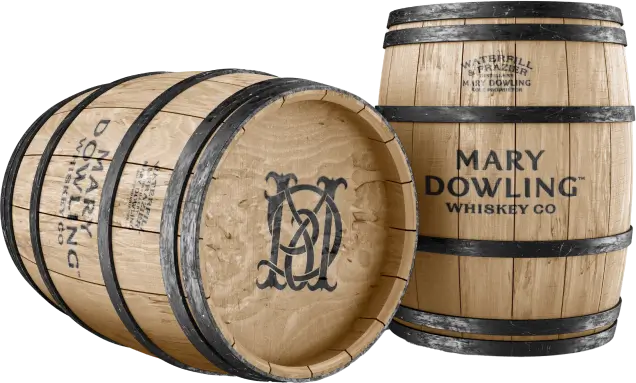
Every bottle of bourbon tells a story, not just of its distiller, but of the grains that form its foundation. While corn provides the sweet backbone, the secondary grain defines its soul. Many bourbons use rye for a spicy, peppery kick, but a special category looks to a softer alternative. By using wheat, distillers create a spirit with a gentler, smoother profile that has deep roots in Kentucky’s distilling heritage. This guide is your introduction to the world of winter wheat bourbon, a style that champions a mellow character and a rich, approachable flavor, connecting you to a time-honored tradition of American whiskey.
Key Takeaways
- Wheat Creates a Softer, Smoother Sip: By swapping the traditional spicy rye grain for wheat, this style of bourbon offers a gentler, sweeter profile. This results in a rounder mouthfeel with notes of honey, vanilla, and caramel that make it incredibly approachable.
- Serve It Simply to Savor the Nuances: To best appreciate a wheated bourbon, try it neat in a proper glass or with a single large ice cube to avoid over-dilution. Its smooth character also shines in classic cocktails where the spirit’s subtle sweetness can stand out.
- Look for Bottles with a Compelling Story: When adding to your collection, seek out wheated bourbons that represent a piece of distilling history. A great bottle is more than just the spirit inside; it’s about the heritage and character it represents, making it a true conversation starter.
What Makes Winter Wheat Bourbon Special?
If you’ve ever described a bourbon as smooth, soft, or mellow, you may have been sipping on a wheated bourbon without even realizing it. This style swaps the traditional spicy rye grain for wheat, creating a spirit that’s approachable for newcomers and prized by connoisseurs. It’s not a new trend, but rather a classic approach to whiskey-making that emphasizes subtlety and a gentler character. Understanding what makes winter wheat bourbon unique is all about looking at its history, its recipe, and how those elements create a distinct tasting experience that stands apart from its rye-based counterparts.
The Story of Winter Wheat Bourbon
Winter wheat isn’t a modern invention; it’s a heritage grain with deep roots in Kentucky’s distilling history. Long before it became a sought-after category, distillers in the region used this hardy grain for its unique qualities. Much like the story of Mary Dowling herself, this bourbon style is born from tradition and resilience. Using winter wheat—a crop planted in the fall and harvested in the summer—was a way for early distillers to work with the land and create a consistently smooth spirit. Today, choosing to make a winter wheat bourbon is a nod to that rich history and a commitment to a time-honored craft.
What Is a Wheated Mash Bill?
Every bourbon starts with a mash bill, which is essentially the grain recipe. To be called a bourbon, the recipe must contain at least 51% corn. The remaining grains are where distillers can get creative. In a traditional bourbon, rye is the secondary “flavoring” grain, lending spicy and peppery notes. In a wheated bourbon, wheat takes rye’s place. This simple swap makes a world of difference, resulting in a softer, sweeter profile. Think of it like the difference between rye bread and wheat bread—one is bold and spicy, while the other is gentle and slightly sweet. Our Winter Wheat Bourbon is a perfect example of this beautifully balanced recipe.
Winter Wheat vs. Traditional Bourbon
The main difference between a winter wheat bourbon and a traditional rye bourbon comes down to taste and texture. The wheat imparts a softer, smoother mouthfeel that can feel almost creamy on the palate. It dials down the spice you’d get from rye and instead brings forward notes of honey, vanilla, and caramel. This creates a gentle sweetness that makes the bourbon incredibly sippable, whether you enjoy it neat, on the rocks, or in a cocktail. While rye bourbons are known for their robust, peppery finish, wheated bourbons offer a mellow, lingering warmth that doesn’t overwhelm the senses.
What Does Winter Wheat Bourbon Taste Like?
If you’re used to the spicy bite of a traditional rye-based bourbon, your first sip of a wheated bourbon will be a welcome surprise. Swapping rye for wheat in the mash bill completely changes the spirit’s character, creating a profile that’s noticeably softer, sweeter, and smoother. This approachability makes it a fantastic starting point for anyone curious about bourbon, but its layered complexity offers plenty for a seasoned enthusiast to appreciate. The best way to understand it is to break down the experience, from its signature texture to the specific notes you’ll find on the nose and palate.
A Signature Sweetness and Smooth Finish
The most immediate difference you’ll notice in a winter wheat bourbon is its texture. It has a rounder, softer mouthfeel that feels almost velvety on the tongue. This is because wheat doesn’t have the sharp, peppery spice that rye brings to the table. Instead, it imparts a gentle, bready sweetness that complements the classic caramel and vanilla notes from the corn and barrel aging. This creates an incredibly smooth finish that lingers pleasantly without any harshness. It’s this signature smoothness that makes wheated bourbons, especially our Mary Dowling Winter Wheat Bourbon, so perfect for sipping neat.
Unpacking the Tasting Notes
Once you move past the initial smoothness, you can start to identify the specific flavors. While every wheated bourbon is different, they share a common thread of gentle sweetness. You might taste notes of honey, vanilla, and baked bread right away. With a bourbon like ours, you’ll find a creamy character with hints of strawberry and a distinct candy corn sweetness, balanced by woody spices from its time in the barrel. This combination of fruit, candy, and spice creates a beautifully layered profile that is sweet but not cloying, often finishing with a surprisingly pleasant dryness that invites another sip.
The Aromas of Wheated Bourbon
Your tasting experience begins before the whiskey even touches your lips. The aroma of a winter wheat bourbon sets the stage for the flavors to come. When you raise the glass, you’ll likely be greeted by warm and inviting scents. Expect to find notes of rich brown sugar and dark cherry mingling with more complex aromas like sandalwood, chai spice, and even a hint of pipe smoke. These scents promise a spirit that is both comforting and sophisticated. They are the first clue that you’re about to enjoy a bourbon that is smooth, flavorful, and full of character, a true testament to its unique wheated mash bill.
Wheated Bourbons to Add to Your Bar Cart
If you’re looking to add a bottle to your collection that offers a softer, smoother sipping experience, a wheated bourbon is an excellent choice. By swapping the traditional rye for wheat as the secondary grain, distillers create a spirit that’s subtly sweet and exceptionally approachable. It’s a style with a rich history, perfect for enjoying neat or in a classic cocktail. Whether you’re just starting your bourbon journey or are a seasoned collector, these recommendations will help you find a wheated bourbon you’ll love.
Our Recommendation: Mary Dowling Winter Wheat Bourbon
For a truly exceptional expression of this style, I always point people toward Mary Dowling Winter Wheat Bourbon. This bourbon is both bold and incredibly smooth, making it a standout on any bar cart. It’s crafted from a wheated mash bill that perfectly balances corn, wheat, and malted barley. On the nose, you’ll get warm, inviting notes of sandalwood and chai spice, which open up to flavors of cherry and brown sugar on the palate. It’s a complex and satisfying whiskey that honors tradition while offering a distinct, modern profile you’ll want to savor and share.
Other Wheated Bourbons to Explore
The story of wheated bourbon is a fascinating piece of American whiskey history. The style first gained popularity in the early 1900s, setting the standard for a gentler spirit. Unlike their rye-based counterparts, which often have a spicy kick, wheated bourbons lean into a softer, sweeter character. This makes them a fantastic entry point for anyone new to bourbon, as they tend to be less aggressive on the palate. Exploring this category gives you a real appreciation for how a single grain can shape a whiskey’s final character, connecting you to a rich history of distillation.
Don’t Miss These Limited Releases
Keep an eye out for special and limited releases, as they often showcase unique grains like winter wheat. This particular strain has deep roots in Kentucky’s bourbon heritage and was used by distillers long ago for the unique flavor it imparts. When you see a bottle designated as “winter wheat,” you know you’re getting something tied to the heart of bourbon country. These releases are often produced in smaller batches, making them highly sought after by collectors. If you’re intrigued, it’s always a good idea to find a bottle when you see one, as they don’t stay on shelves for long.
How to Properly Taste Winter Wheat Bourbon
Ready to truly appreciate what’s in your glass? Tasting bourbon is more than just taking a sip; it’s an experience that engages all your senses. Honoring the spirit’s journey from grain to glass means taking a moment to understand its character. You don’t need to be a certified expert to pick up on the subtle complexities of a well-crafted wheated bourbon. With a little intention and a few key techniques, you can learn to identify the aromas and flavors that make this spirit so unique. Following these simple steps will help you get the most out of every pour, whether you’re trying a new bottle or revisiting an old favorite. It’s all about slowing down and savoring the story the whiskey has to tell.
Choose the Right Glass and Temperature
Your tasting experience begins with the right vessel. To fully appreciate a bourbon’s bouquet, pour it into a Glencairn or tulip-shaped glass. The curved shape concentrates the aromas, directing them toward your nose for a more immersive experience. For the purest taste, serve your winter wheat bourbon at room temperature. This allows the full spectrum of flavors to present themselves without being muted by cold. Because wheated bourbons use wheat instead of rye, they have a characteristically softer, sweeter taste that is best appreciated when the spirit isn’t overly chilled. A splash of water can also help open up the aromas, but start neat to get a true sense of the bourbon’s profile first.
How to Identify Flavor Notes
Identifying flavor notes is a skill you can develop with practice, so don’t worry if you can’t pinpoint everything at once. Start by gently swirling the bourbon in your glass and taking a light sniff. Then, take a small sip and let it coat your tongue. The winter wheat in the mash bill creates a distinctly soft and smooth mouthfeel compared to bourbons made with rye. As you taste, think about what you notice. You might detect a gentle sweetness, with notes that are creamy and reminiscent of strawberries, candy corn, and warm, woody spices. These are the signature characteristics that make our Mary Dowling Winter Wheat Bourbon so memorable and approachable.
Find the Perfect Food Pairing
The right food pairing can turn a great bourbon into an unforgettable one. Thanks to its inherent smoothness and sweetness, winter wheat bourbon is incredibly versatile and pairs beautifully with a range of foods. Its gentle character complements rich dishes without overpowering them. Try sipping it alongside decadent chocolate desserts or savory grilled meats to see how the flavors interact. The bourbon’s sweetness cuts through the richness of the food, creating a balanced and harmonious combination on the palate. For more inspiration on creating the perfect match, you can explore different cocktail and food recipes that highlight the spirit’s best qualities.
How to Build Your Wheated Bourbon Collection
Starting a bourbon collection is a fantastic way to explore different flavors and find what you truly love. A wheated bourbon collection, in particular, offers a journey into some of the smoothest and most approachable spirits on the market. It’s less about amassing a huge number of bottles and more about curating a selection that tells a story and brings you joy. Think of it as building a personal library of taste. Whether you’re looking for a special bottle to celebrate with or a few reliable favorites for your home bar, here’s how you can start building a collection you’ll be proud of.
Is It a Good Investment?
While the real return on investment is the enjoyment you get from each pour, it’s nice to know your collection might also grow in value. The bourbon market is seeing impressive growth as more people discover a love for premium spirits. Wheated bourbons, with their refined character and craft appeal, are a significant part of this trend. Collecting bottles you genuinely enjoy means you’ll always get your money’s worth. If they happen to become more sought-after over time, that’s just a bonus. Focus on acquiring bourbons that excite your palate, and you can’t go wrong.
How to Store Your Bottles
Proper storage is key to protecting your collection and ensuring every sip tastes exactly as the distiller intended. The rules are simple but important. Always store your bourbon bottles upright. Storing them on their side can cause the high-proof spirit to eat away at the cork over time, which can spoil the whiskey. Find a cool, dark place away from direct sunlight and big temperature swings, like a closet or a cabinet. This prevents the bourbon from being damaged by light or heat, preserving its complex flavors for you to enjoy whenever the moment is right.
Where to Buy Winter Wheat Bourbon
Finding the perfect bottle is part of the fun. Your local specialty liquor store is a great place to start, as you can get personalized recommendations. For a wider selection, online retailers can be a fantastic resource. You can often buy Mary Dowling Winter Wheat Bourbon online and have it delivered right to your door, making it easy to add this exceptional spirit to your collection. If you prefer to shop in person, you can always use our store locator to find a retailer near you carrying Mary Dowling whiskeys.
What to Expect on the Price Tag
Wheated bourbons are premium spirits, but building a collection doesn’t have to break the bank. Prices can vary, giving you plenty of options to fit your budget. For example, a bottle of Mary Dowling Winter Wheat Bourbon typically retails for around $55, offering incredible character and a rich story for its price point. You can find other excellent winter wheat bourbons, like Wheel Horse, for around $43. This range shows that you can acquire high-quality, beautifully crafted wheated bourbons at an accessible price, making it easy to start exploring and expanding your personal collection.
How to Serve and Enjoy Winter Wheat Bourbon
The beauty of winter wheat bourbon is its versatility. Its inherent smoothness and subtle sweetness make it an excellent base for mixed drinks and a delightful spirit to sip on its own. Whether you’re crafting a classic cocktail or hosting a tasting with friends, there are countless ways to appreciate its unique character. Let’s explore some of the best methods to serve and enjoy this exceptional bourbon, helping you find your perfect pour.
Classic Cocktails for Wheated Bourbon
Wheated bourbon’s signature smoothness makes it a fantastic foundation for classic cocktails. Because wheat replaces some of the spicy rye in the mash bill, the result is a mellow, slightly sweet spirit that complements other ingredients instead of competing with them. This is why it shines in drinks like an Old Fashioned or a Whiskey Sour, where the bourbon’s character is front and center. The softer profile allows the citrus, sugar, and bitters to harmonize beautifully with the spirit, creating a balanced and refined drink. For some inspiration, you can explore a variety of bourbon recipes that highlight these unique qualities.
Simple Ways to Serve It Year-Round
Sometimes, the simplest approach is the best. The gentle sweetness and soft mouthfeel of winter wheat bourbon make it incredibly approachable for sipping. To fully appreciate its nuanced flavors, try serving it neat in a proper tasting glass, which helps concentrate its aromas. If you prefer a slight chill, pour it over a single large ice cube—this cools the spirit without diluting it too quickly. For a refreshing, year-round option, a simple highball with a splash of quality soda or ginger ale and a lemon twist works wonders. These straightforward methods let the bourbon’s inherent character do all the talking.
How to Host a Bourbon Tasting
Hosting a bourbon tasting is a fantastic way to share your passion with friends. To make it special, focus on a theme, like a flight of different wheated bourbons. This allows everyone to compare the subtle differences and find their favorites. When you pour, encourage your guests to note the color, aroma, and taste. But a tasting is more than just sipping; it’s about the experience. Sharing the story behind each bottle, like the incredible resilience of Mary Dowling, creates a deeper connection and makes the event more memorable. It turns a simple drink into a conversation starter and a shared discovery.
Your Questions, Answered
As you get more familiar with wheated bourbon, you’re bound to have questions. From separating fact from fiction to understanding the finer points of aging and collecting, there’s always something new to learn. Let’s walk through some of the most common questions and give you the clear, straightforward answers you’re looking for. Think of this as your personal cheat sheet for becoming a more confident
Common Myths, Busted
Let’s clear up a few things you might have heard about wheated bourbon. First, for a whiskey to be called a wheated bourbon, its mash bill must contain at least 51% corn, with wheat as the secondary flavoring grain. It’s a common misconception that the sweetness comes from the wheat, but the corn is still the primary source. Another myth is that wheated bourbons are always smoother than their rye counterparts. While wheat often lends a softer, gentler profile, the final flavor and style are heavily influenced by the distillation process, aging conditions, and the specific recipe used by the distiller.
A Quick Guide to the Aging Process
During aging, the spirit interacts with the charred oak barrel, drawing out flavors, aromas, and color. For wheated bourbon, the absence of rye’s signature spice allows the softer notes from the wheat and the sweet notes from the corn and barrel to really shine. The primary role of winter wheat is to create a gentle sweetness and a smooth, rounded mouthfeel. This process softens any harsher notes, resulting in a final product with a character that appeals to a wide range of palates, from newcomers to seasoned bourbon drinkers.
Tips for Aspiring Collectors
Starting a bourbon collection is an exciting venture, especially right now. The global bourbon market is experiencing robust growth, and craft distilleries are introducing a more diverse range of offerings than ever before. My advice for new collectors is to look for bottles with a compelling story. People are increasingly drawn to brands with strong values and a unique history—like the resilience and innovation behind Mary Dowling’s legacy. A great bottle is more than just what’s inside; it’s about the heritage and character it represents, a quality that truly makes a collection stand out.
Related Articles
- Wheated Bourbon Mash Bill: A Complete Guide
- Winter Wheat – Mary Dowling Whiskey Co
- Wheated vs. Rye Bourbon: Which Should You Drink?
- The Best Wheated Bourbons for Every Budget
Frequently Asked Questions
Is wheated bourbon better than bourbon made with rye? One isn’t better than the other; they’re just different, and it all comes down to your personal taste. Think of it like choosing between rye bread and wheat bread. A traditional bourbon with rye as its secondary grain will have a spicier, peppery character. A wheated bourbon swaps that rye for wheat, resulting in a softer, smoother, and often sweeter profile. It’s simply a matter of deciding which flavor experience you’re in the mood for.
Why is it called a “wheated” bourbon if the main ingredient is still corn? That’s a great question that gets to the heart of what makes a bourbon a bourbon. To be legally called bourbon, the grain recipe, or mash bill, must be at least 51% corn. The corn provides the spirit’s sweet, foundational flavor. The “wheated” part refers to the secondary flavoring grain. Instead of the more common choice of rye, the distiller uses wheat, which defines the spirit’s gentler character and sets it apart as a specific style.
What’s the best way to drink winter wheat bourbon for the first time? To truly appreciate what makes this style unique, I recommend trying it neat in a proper glass first. Pour a small amount and let it sit for a minute. This will allow you to experience its signature smoothness and sweeter notes without any other ingredients interfering. If you prefer it chilled, add a single large ice cube, which will cool the spirit down without diluting it too quickly. This simple approach lets the bourbon’s true character shine.
Can I use wheated bourbon in any cocktail that calls for a standard bourbon? Absolutely. You can substitute it in any of your favorite bourbon cocktails, but just know that it will change the drink’s final profile. Using a wheated bourbon in an Old Fashioned or a Whiskey Sour will result in a noticeably softer and less spicy version of the classic. It creates a mellow, smooth cocktail that many people find incredibly refined and easy to drink.
Does the term “winter wheat” have anything to do with when I should drink it? Not at all! The name “winter wheat” refers to the agricultural cycle of the grain itself. It’s a hardy crop that is planted in the autumn and harvested in the early summer. This has no bearing on when you should enjoy the bourbon made from it. A winter wheat bourbon is a fantastic spirit to sip and enjoy year-round, whether it’s in a refreshing summer highball or a warming winter cocktail.

Justin Pakdaman is the Marketing Director for Mary Dowling Whiskey Co., where he leads brand storytelling, digital strategy, and consumer engagement. Justin has years of experience building premium spirits brands.