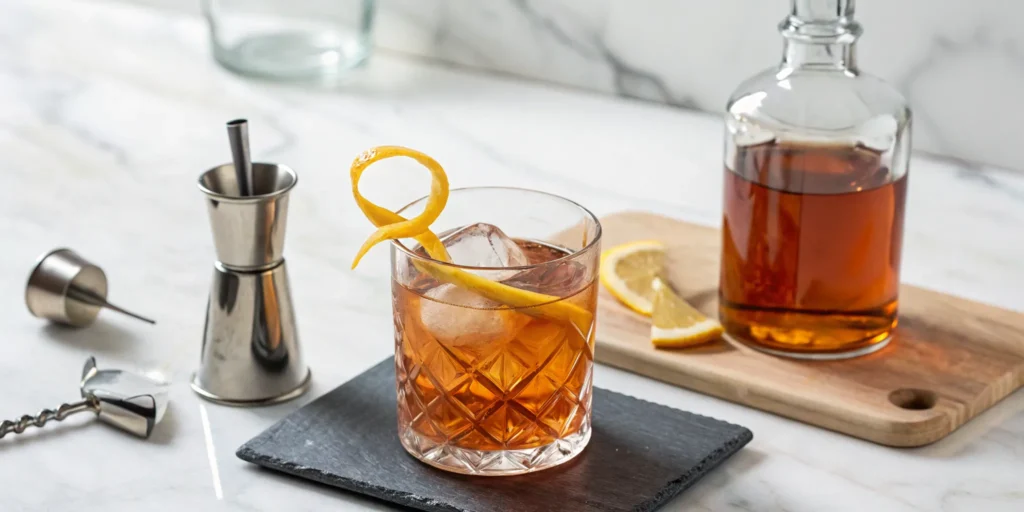
When a city names an official cocktail, you know it’s something special. The Sazerac is the soul of New Orleans in a glass, a drink steeped in the culture and history of the Crescent City. Its story begins in a Creole apothecary in the 1800s and continues through the city’s most iconic bars. Making a Sazerac is a way to connect with that rich heritage. It’s a slow, deliberate process that results in a drink that is both powerful and elegant, with a signature aroma from its absinthe rinse and Peychaud’s bitters. We’re here to show you how to bring that authentic experience home with a classic bourbon Sazerac recipe.
Key Takeaways
- Build a Classic Foundation: A true Sazerac relies on specific, non-negotiable ingredients. Always use Peychaud’s bitters for their signature floral notes and a quality bourbon around 100 proof that can stand up to the other bold flavors.
- Focus on Temperature and Texture: Since the Sazerac is served neat, technique is everything. Thoroughly chill your glass beforehand and stir the cocktail for about 30 seconds to achieve the perfect cold temperature and a silky-smooth dilution.
- Prioritize the Aromatics: The Sazerac experience begins before the first sip. A proper absinthe rinse coats the glass with a subtle anise scent, while expressing a lemon peel over the drink adds a bright citrus oil aroma that completes the cocktail.
What Is a Bourbon Sazerac?
The Sazerac isn’t just a drink; it’s a piece of American history in a glass. As one of the oldest known cocktails, its story is rich with tradition, resilience, and a spirit of innovation that feels right at home with us. Originally crafted with French cognac, this iconic New Orleans cocktail evolved over time, eventually embracing American whiskey as its star ingredient. The result is a bold, aromatic, and spirit-forward drink that’s both timeless and complex.
Making a Sazerac is a ritual. It involves a chilled glass, a whisper of absinthe, the perfect balance of sugar and bitters, and of course, an exceptional bourbon. Understanding its journey from a French-inspired sipper to a quintessential American classic helps you appreciate every sip. It’s a cocktail that tells a story, much like the one we honor in every bottle of Mary Dowling whiskey.
The Cocktail’s New Orleans Roots
The Sazerac’s story begins in the heart of New Orleans in the mid-1800s. It was originally made with Sazerac de Forge et Fils, a French cognac that gave the drink its name. The cocktail was a local favorite, popularized at the Sazerac Coffee House. The key to its unique flavor profile came from Antoine Peychaud, a Creole apothecary who created his own proprietary bitters. The combination of French brandy and aromatic bitters created a simple yet profound drink that captured the spirit of the city. This classic cocktail’s history is deeply woven into the fabric of New Orleans culture, making it a true original.
How Prohibition Swapped Cognac for Bourbon
So, how did a French cognac cocktail become a bourbon classic? The change happened out of necessity. First, a pest epidemic in the late 19th century devastated European vineyards, making cognac scarce and expensive. American rye whiskey became the natural substitute. Then came Prohibition, a period that forced distillers and bartenders to get creative. This era of defiance is something we know a thing or two about, as it’s central to Mary Dowling’s own story. As American whiskey, particularly rye and later bourbon, became more accessible, it permanently found its place in the Sazerac recipe, giving the cocktail its distinctly bold, American character.
Why It’s New Orleans’ Official Cocktail
The Sazerac is more than just a popular drink in the Big Easy; it’s an official institution. In 2008, the Louisiana Legislature formally named the Sazerac the official cocktail of New Orleans. This designation cemented its status as a cultural icon, recognizing its deep historical roots and its enduring place in the city’s identity. When you mix a Sazerac, you’re not just making a drink; you’re participating in a celebrated tradition. It’s a testament to the cocktail’s timeless appeal and its powerful connection to place. This official status honors the Sazerac as a symbol of New Orleans’ unique culinary and social heritage.
What You’ll Need for a Perfect Bourbon Sazerac
The Sazerac is a testament to the idea that a few simple, high-quality ingredients can create something truly special. This isn’t a cocktail that hides behind a long list of mixers; every component plays a starring role. Before you start mixing, it’s important to gather the right tools and ingredients. The beauty of this drink lies in the details, from the specific type of bitters to the aromatic rinse of the glass. Getting these elements right is the first step toward crafting a Sazerac that honors its deep New Orleans roots and delivers a perfectly balanced, unforgettable sip.
The Essential Ingredients
To build a classic Sazerac, you only need a handful of key items. Each one is non-negotiable for achieving the cocktail’s signature flavor profile. Here’s your shopping list:
- Bourbon Whiskey: The spirit backbone of the drink. You’ll want two ounces of a quality bourbon that can stand up to the other bold flavors.
- Absinthe: Just a teaspoon is needed for an aromatic glass rinse. It provides a subtle anise note that defines the Sazerac experience.
- Sugar: A single sugar cube or a teaspoon of simple syrup adds the necessary sweetness to balance the bitters and bourbon.
- Peychaud’s Bitters: This is essential. Three to four dashes provide the cocktail’s unique floral and fruity character.
- Lemon Twist: For garnish. The oils from the lemon peel add a bright, citrusy aroma that completes the drink.
How to Choose the Right Bourbon
When making a Sazerac, your choice of bourbon is critical. Because the recipe is so spirit-forward, the whiskey’s character will shine through. Look for a bourbon with a bit of backbone, ideally something around 100 proof. A higher-proof spirit ensures the bourbon’s flavor isn’t overpowered by the sugar and intensely aromatic bitters. A bourbon with some rye in its mash bill is also a great choice, as the subtle spice notes will beautifully complement the anise and citrus in the cocktail. You want a whiskey that is smooth yet assertive enough to be the star of the show.
Why Mary Dowling Bourbon Is the Perfect Choice
The Sazerac is a cocktail steeped in American history, and it deserves a bourbon with an equally compelling story. Mary Dowling’s legacy is one of resilience, craftsmanship, and a refusal to compromise on quality, even in the face of Prohibition. Using one of our whiskeys connects your cocktail to that rich narrative. The bold, complex flavors of Mary Dowling Bourbon provide the perfect foundation for a Sazerac, offering a depth that honors the cocktail’s storied past while creating a memorable, modern drinking experience. It’s a pairing that celebrates two icons of American spirits history.
Peychaud’s Bitters: What Makes Them Unique?
You can’t make a true Sazerac without Peychaud’s Bitters. While Angostura bitters are a staple in many cocktails, they simply won’t work here. Peychaud’s, created in the 1830s by New Orleans apothecary Antoine Peychaud, has a distinct flavor profile that is lighter and more floral. With notes of cherry, anise, and clove, it provides the Sazerac’s signature rosy hue and fruity aroma. This specific brand of cocktail bitters is the historic soul of the drink, and its unique character is what separates the Sazerac from any other whiskey cocktail.
How to Make a Classic Bourbon Sazerac, Step-by-Step
Making a Sazerac is less about following a recipe and more about embracing a ritual. Each step builds on the last, creating a layered and aromatic cocktail that’s truly a classic for a reason. This process is all about technique and paying attention to the details that transform a few simple ingredients into something special. Ready to craft the perfect Sazerac? Let’s walk through it together.
Step 1: Prepare Your Glass with an Absinthe Rinse
First things first, let’s set the stage. The absinthe rinse is what gives the Sazerac its signature, subtle anise aroma. Pour about a quarter-ounce of absinthe into a chilled rocks glass or Old Fashioned glass. Swirl the liquid around, coating the entire inside of the glass. The goal isn’t to add a lot of absinthe flavor, but to leave behind its aromatic essence. Once the glass is fully coated, discard the excess liquid. This simple bartending technique creates an aromatic foundation that greets you before you even take a sip, preparing your palate for the complex flavors to come.
Step 2: Muddle the Sugar and Bitters
Now, grab a separate mixing glass. This is where we’ll build the heart of the cocktail. Drop one sugar cube into the glass and add three to four dashes of Peychaud’s bitters. Using a muddler or the back of a spoon, gently crush the sugar cube, mixing it with the bitters until it forms a paste and is mostly dissolved. Using a sugar cube instead of simple syrup gives the drink a slightly richer texture and a more traditional feel. This step is all about creating a balanced base of sweetness and spice that will perfectly complement the bold character of the bourbon.
Step 3: Add Bourbon and Stir to Perfection
It’s time for the main event. Pour two ounces of a high-quality bourbon, like our Mary Dowling Double Oak Barrel, into the mixing glass with the muddled sugar and bitters. Fill the mixing glass about three-quarters full with ice. Now, stir. This is one of the most important parts of the process. You want to stir the mixture with a bar spoon for about 30 seconds, or until the outside of the glass becomes frosty and cold to the touch. Stirring a cocktail chills and dilutes it perfectly without aerating it, resulting in a smooth, velvety texture that is essential for a Sazerac.
Step 4: Strain and Garnish with a Lemon Twist
With your cocktail perfectly chilled, it’s time for the final touch. Place a strainer over your mixing glass and pour the liquid into your prepared, absinthe-rinsed glass. For the garnish, take a wide strip of lemon peel. Hold it over the glass with the peel side facing down and give it a firm twist to express the citrus oils over the surface of the drink. You’ll see a fine mist and smell the bright, fresh lemon aroma instantly. Rub the peel around the rim of the glass, then drop it in. This final aromatic flourish is the perfect counterpoint to the rich bourbon and spice.
Expert Tips to Perfect Your Sazerac
The Sazerac is a cocktail of precision. While the ingredient list is short, the magic lies in the technique. Mastering a few key details will transform your drink from simply good to truly exceptional. Think of these tips as the secrets that professional bartenders use to craft a perfectly balanced and aromatic Sazerac every single time. With a little practice, you’ll be making a Sazerac that honors its rich New Orleans heritage and the bold character of the bourbon you choose.
Master Temperature and Glassware
Temperature is everything for a Sazerac. This cocktail is traditionally served “down,” meaning neat in a chilled glass without any ice. Chilling your glass thoroughly beforehand ensures the drink stays at the perfect temperature from the first sip to the last, without any dilution from melting ice that would water down its complex flavors. Simply place your rocks glass in the freezer for at least 30 minutes before you start mixing. This simple step preserves the integrity of the bourbon and the delicate balance of the bitters and absinthe, giving you a crisp, clean tasting experience.
Get the Perfect Absinthe Rinse
Don’t even think about skipping the absinthe rinse; it’s the aromatic soul of the Sazerac. This step isn’t about adding another liquor to the mix, but about coating the glass with the essential anise aroma that defines the cocktail. Pour a small amount of absinthe into your chilled glass, swirl it around to coat the entire interior surface, and then discard the excess. What’s left behind is a fragrant essence that greets your nose before you even take a sip, preparing your palate for the rich flavors to come. It’s a subtle but critical touch that makes a Sazerac truly authentic.
Balance Your Bitters and Sugar
The heart of a Sazerac’s flavor profile comes from the perfect harmony between sugar and Peychaud’s bitters. While Angostura bitters are a bar staple, Peychaud’s are essential for a traditional Sazerac, lending a distinct fruity and floral character you can’t get from anything else. The cocktail’s history is deeply rooted in New Orleans, where its popularity led to the opening of several Sazerac Coffee Houses in the 1850s. To honor that tradition, muddle your sugar cube with the bitters until a paste forms. This ensures the sweetness is perfectly integrated, creating a foundation that complements the spice of a quality bourbon like one of our whiskeys.
Stir Like a Pro for Ideal Dilution
Proper stirring is a non-negotiable skill for making a great Sazerac. When you combine the bourbon, sugar, and bitters with ice in a mixing glass, your goal is twofold: chilling the liquid and achieving the right amount of dilution. Stirring with a bar spoon for about 30 seconds melts just enough ice to soften the bourbon’s edges and meld the flavors together seamlessly. It’s crucial to stir until the sugar is completely dissolved. If you don’t, the granules will settle at the bottom, making your last few sips unpleasantly sweet and ruining the drink’s perfect balance.
Common Sazerac Mistakes to Avoid
Crafting a Sazerac is a beautiful ritual, but a few common missteps can turn this classic cocktail from transcendent to just okay. Getting the details right is what honors the drink’s history and makes each sip a memorable experience. Think of it less like a strict set of rules and more like a guide to help you create the most balanced and aromatic version possible. By paying attention to a few key areas, you can ensure your Sazerac is consistently delicious.
We’ll walk through the three most frequent mistakes: mismanaging the absinthe, failing to dissolve the sugar, and using the wrong bitters. A little extra care in these steps makes all the difference. Let’s get them right so you can confidently mix a Sazerac that would make any New Orleans bartender proud.
Using Too Much (or Too Little) Absinthe
The absinthe in a Sazerac isn’t meant to be a primary flavor; it’s an aromatic accent. The goal is to coat the glass with its essence, leaving behind a fragrant hint of anise that complements the whiskey and bitters. A common mistake is either pouring too much and leaving a pool in the bottom of the glass, which overpowers everything, or skipping the rinse altogether. As one expert notes, the absinthe rinse provides the essential aroma that defines the cocktail. To do it right, pour a tiny amount into your chilled glass, swirl it around to coat the entire interior, and then discard the excess. You’re left with the perfect “ghost” of absinthe.
Not Dissolving the Sugar Completely
Patience is key when it comes to the sugar. If you rush this step, you’ll end up with a gritty drink that is unbalanced from start to finish. The first few sips might taste too spirit-forward, while the last will be cloyingly sweet from the undissolved sugar sludge at the bottom. Whether you’re using a sugar cube or simple syrup, it’s crucial to stir until it has completely integrated with the bitters before adding your bourbon. A well-made Sazerac depends on this foundation. Take your time to create a smooth, consistent base, and the rest of the drink will thank you for it.
Choosing the Wrong Bitters or Garnish
While Angostura bitters are a staple on any bar cart, a traditional Sazerac calls for one brand specifically: Peychaud’s. This isn’t just a matter of preference; it’s fundamental to the cocktail’s flavor profile. Peychaud’s bitters are distinctly different, offering a brighter, more floral, and fruit-forward character with notes of cherry, clove, and anise. Using Angostura will create a perfectly fine cocktail, but it won’t be a Sazerac. For that authentic taste, you need the unique profile that only Peychaud’s bitters can provide. Finish with a simple lemon twist, expressing the oils over the surface of the drink to add that final layer of bright, citrusy aroma.
Ready for a Twist? Sazerac Variations to Try
Once you’ve mastered the classic Sazerac, you can start making it your own. The beauty of this cocktail is its strong foundation, which gives you plenty of room to experiment without losing the drink’s essential character. Think of the original recipe as your starting point. Changing just one ingredient, whether it’s the sweetener, the bourbon, or the bitters, can create a completely new and exciting flavor profile. These simple swaps are a great way to explore your palate and find a version of the Sazerac that’s uniquely yours. Let’s look at a few creative variations to get you started.
Try a Honey Sazerac or Other Sweeteners
One of the easiest ways to put a new spin on your Sazerac is by changing the sweetener. Instead of the traditional sugar cube, try using a bar spoon of honey syrup. This simple swap gives the cocktail a richer texture and a warmer, more floral sweetness that pairs beautifully with bourbon. A Bourbon and Honey Sazerac is a fantastic modern take on the classic. You can also experiment with maple syrup for a touch of earthy sweetness or demerara syrup for deeper, molasses-like notes. Each option brings a different dimension to the drink, allowing you to tailor it to your exact preference.
Experiment with Spiced or Smoky Bourbons
The bourbon is the heart of your Sazerac, so choosing a different style can completely transform the cocktail. While a classic bourbon works perfectly, why not try one with a more distinct character? A high-rye bourbon will add a peppery spice that complements the anise flavors of the absinthe. Alternatively, a wheated bourbon can lend a softer, smoother profile. Using a higher-proof bourbon (around 100 proof) is also a great move, as it ensures the whiskey’s character isn’t lost behind the bitters and sugar. A bold, well-crafted spirit like Mary Dowling’s Double Oak Barrel Bourbon provides the perfect backbone for any variation you can dream up.
Mix It Up with Different Bitters
While Peychaud’s bitters are essential for a traditional Sazerac, playing with other bitters can open up a world of flavor. The history of the Sazerac is tied to Peychaud’s, but that doesn’t mean you can’t innovate. Try adding a dash of orange bitters to brighten the cocktail and highlight the citrus notes from the lemon twist. Or, for a more complex and herbal flavor, consider Creole-style bitters, which often feature notes of cherry, anise, and other spices. You can even combine different bitters, using Peychaud’s as your base and adding another for a subtle layer of complexity. This is your chance to get creative and find a combination that sings.
How to Serve and Present Your Sazerac
Serve in the Right Glass at the Right Temperature
The way you serve a Sazerac is just as important as how you mix it. This cocktail is traditionally presented in a chilled Old Fashioned glass. Chilling the glass ahead of time is a non-negotiable step. Since the Sazerac is served neat (without ice), a cold glass keeps the drink at the perfect sipping temperature from the first taste to the last. This little detail makes a huge difference, creating a smooth, balanced experience where the whiskey’s warmth is perfectly complemented by the cool vessel. Simply place your glass in the freezer for about 15 minutes before you start mixing, and you’ll set the stage for an impeccable cocktail.
Perfect Your Garnish and Aromatics
The final touch for a Sazerac is its lemon peel garnish, which is all about the aroma. This isn’t just a pretty decoration; it’s a key ingredient. Before placing the peel in the glass, you’ll want to express it. Hold the peel pith-side down over the drink and give it a firm twist. This action releases the oils from the skin, misting the surface of your cocktail with a bright, citrusy fragrance. For an extra layer of scent, gently rub the peel around the rim of the glass. Then, you can drop it into the drink. This simple step ensures the first thing you experience is a fresh, inviting aroma that prepares your palate for the rich flavors to come.
Create a Full Sensory Experience
Serving a great Sazerac is about crafting a complete sensory moment. When you hand the drink to a friend or enjoy it yourself, take a moment to appreciate the details. The wide rim of the Old Fashioned glass is designed to deliver the complex aromatics from the absinthe rinse and the lemon oils directly to your nose. Encourage slow sipping. The first impression is the scent, which beautifully introduces the layered flavors of the bourbon, bitters, and subtle sweetness. Paying attention to these details turns a simple drink into a memorable tasting experience, honoring the ritual and craftsmanship behind this iconic New Orleans cocktail.
Why Your Choice of Bourbon Matters
When you’re crafting a cocktail as iconic as the Sazerac, every ingredient plays a starring role. But let’s be honest, the bourbon is the headliner. The spirit you choose does more than just add alcohol; it defines the cocktail’s entire character, from its aroma to its finish. Think of it as casting the lead in a play. The right actor brings nuance, depth, and an unforgettable performance. The wrong one can make the whole production fall flat.
Choosing your bourbon is about more than just grabbing any bottle off the shelf. It’s an opportunity to honor the cocktail’s storied past while putting your own signature on it. A well-chosen bourbon will complement the spicy notes of the Peychaud’s bitters and stand up to the assertive absinthe rinse, creating a balanced, sophisticated drink. It’s the foundation upon which a truly great Sazerac is built. Let’s get into what makes a bourbon the perfect choice for this New Orleans classic.
Match the Bourbon’s Flavor to the Cocktail
The original Sazerac was made with cognac, but Prohibition pushed American ingenuity, and bourbon stepped in to fill its shoes. This switch created a slightly sweeter, richer version of the cocktail. When you use bourbon, you introduce beautiful notes of vanilla, caramel, and toasted oak that you just don’t get from rye or cognac. The key is to select a bourbon with a flavor profile that harmonizes with the Sazerac’s other components. You want a spirit with enough complexity to be interesting but not so overpowering that it drowns out the bitters and absinthe. Many of our whiskeys offer the perfect balance of bold flavor and smooth character needed for this drink.
How Proof Affects the Final Drink
The alcohol content, or proof, of your bourbon is a critical factor. A Sazerac is a spirit-forward cocktail, meaning it isn’t diluted with mixers like soda or juice. Because of this, you need a bourbon that can hold its own. Using a higher-proof bourbon, ideally around 100 proof, ensures the spirit’s flavor won’t get lost behind the sugar and bitters. A lower-proof spirit can result in a cocktail that tastes overly sweet or watery. A bolder, higher-proof bourbon provides the necessary backbone, giving your Sazerac a robust structure and a warm, satisfying finish that lingers long after the last sip.
The Role of Craftsmanship and Tradition
The Sazerac has a rich history that predates the Civil War, cementing its place in American cocktail culture. Making one is like taking a sip of history. To truly honor that legacy, it makes sense to choose a bourbon born from a similar spirit of resilience and craftsmanship. When you select a whiskey with a compelling story, you’re adding another layer of depth to the drinking experience. It becomes more than just a cocktail; it’s a tribute to the trailblazers, like Mary Dowling, who defied convention and perfected their craft against all odds. This connection to tradition is what makes a good Sazerac truly great.
Related Articles
Frequently Asked Questions
What’s the real difference between a Sazerac and an Old Fashioned? It’s a great question, as they look similar and share a spirit-sugar-bitters foundation. The key differences are in the details. A traditional Sazerac requires Peychaud’s bitters for its unique floral notes and an absinthe rinse for its signature aroma. An Old Fashioned typically uses Angostura bitters and is garnished with an orange peel or cherry. Think of the Sazerac as the Old Fashioned’s cool, slightly more complex cousin from New Orleans.
Can I use rye whiskey instead of bourbon in my Sazerac? Absolutely. In fact, rye whiskey was the go-to spirit for the Sazerac after cognac became hard to find. Using rye will give you a spicier, peppery cocktail that’s a bit drier, which is a fantastic and historically accurate version. A bourbon-based Sazerac, on the other hand, will be a little rounder and sweeter, with more notes of vanilla and caramel. It really comes down to your personal preference.
Is there a substitute for the absinthe rinse? For an authentic Sazerac, absinthe is the ideal choice for that classic anise aroma. However, if you don’t have it on hand, you can use another anise-flavored liqueur like pastis or Herbsaint for the rinse. The goal is to coat the glass with that distinct aromatic essence, not to add a strong licorice flavor to the drink itself. Just remember to use a very small amount and discard the excess.
Why is a Sazerac served without ice? A Sazerac is all about texture and temperature control. It’s stirred with ice to achieve the perfect chill and dilution, then strained into a chilled glass to be served “neat.” This method ensures the cocktail has a smooth, velvety mouthfeel and its flavors remain concentrated and pure. Serving it over ice would continue to dilute the drink as you sip, watering down the careful balance of bourbon, sugar, and bitters.
Do I really have to use a sugar cube? Can I use simple syrup instead? You can definitely use simple syrup if that’s what you have. A teaspoon of simple syrup is a quick and easy substitute for a sugar cube. That said, the ritual of muddling a sugar cube with the bitters is a classic part of the Sazerac experience. It gives the drink a slightly richer texture and ensures the sugar is perfectly integrated from the very start of the mixing process.

Justin Pakdaman is the Marketing Director for Mary Dowling Whiskey Co., where he leads brand storytelling, digital strategy, and consumer engagement. Justin has years of experience building premium spirits brands.