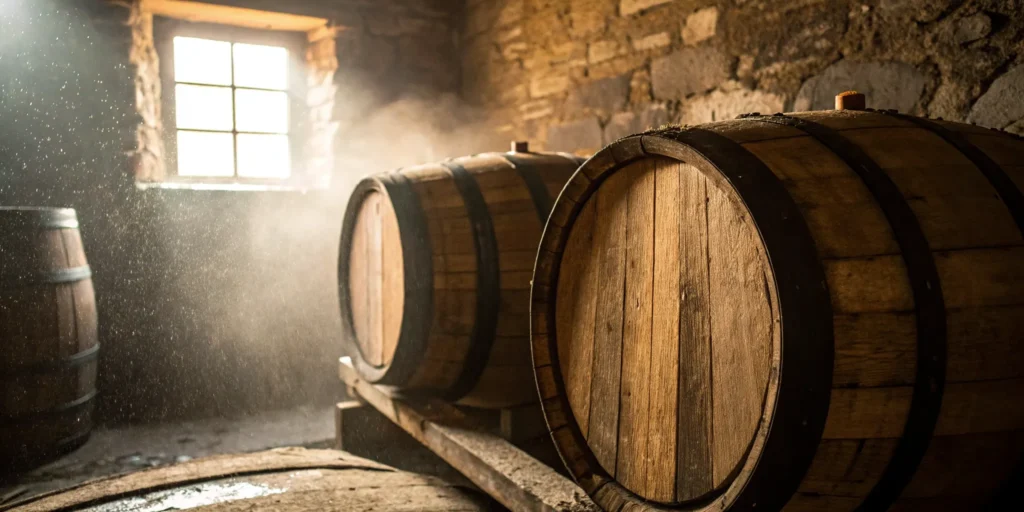
At the heart of every great bourbon is a story of innovation and craft, a spirit Mary Dowling herself embodied. A huge part of that craft lies in the artful preparation of the barrel. The choice between toasting and charring is one of the most important decisions a distiller makes, as it defines the bourbon’s character from the very beginning. One method coaxes out gentle sweetness, the other imparts rich, smoky depth. Understanding the essentials of toasted barrel vs charred barrel bourbon is about more than just flavor; it’s about appreciating the thoughtful process that turns simple ingredients into something extraordinary.
Key Takeaways
- Toasting coaxes out sweetness, while charring delivers boldness: Toasting is a slow, gentle heating process that releases delicate notes of baking spice and soft caramel. Charring uses an intense, quick flame to create a rich, smoky profile with deep vanilla and toffee flavors.
- Each method unlocks different qualities from the oak: Toasting focuses on releasing the wood’s natural sugars and spice compounds for a nuanced character. The “alligator char” from a charred barrel acts as a natural filter to smooth the spirit and creates a layer of caramelized wood for classic, rich bourbon notes.
- Match the barrel finish to your personal taste: If you prefer subtle and spicy notes, look for a toasted finish. If you love a classic, robust, and smoky profile, a charred barrel bourbon is for you. Bourbons that use both methods offer a complex, layered experience worth exploring.
Toasted vs. Charred Barrels: What’s the Difference?
When you sip a great bourbon, you’re tasting more than just grain and water—you’re tasting the barrel it grew up in. The way a cooper prepares a barrel before the whiskey ever touches it has a huge impact on the final flavor. Two key methods are toasting and charring. While they both involve heat, they are fundamentally different processes that create distinct and delicious results. Understanding the difference is a great way to get a better sense of what you like in a whiskey and appreciate the craft that goes into every bottle.
Why Oak Barrels Are Essential for Bourbon
You can’t have bourbon without a barrel. In fact, for a whiskey to legally be called bourbon, it must be aged in a new, charred oak container. This isn’t just a rule for the sake of tradition; it’s because the barrel is a critical ingredient. As the bourbon rests inside the oak, it pulls out compounds that give it its signature amber color, rich aroma, and complex flavors. The wood breathes, with the spirit expanding into the staves during warmer months and contracting back out in the cold. This process deepens the interaction, acting as both a filter and a flavor-infuser, transforming a clear, raw spirit into the smooth, nuanced whiskey we know and love.
What Is a Toasted Barrel?
Think of toasting a barrel like making toast. It’s a process of heating the wood’s interior slowly and at a lower temperature. This gentle, prolonged heat caramelizes the natural sugars within the oak, breaking down wood compounds called hemicellulose and lignins. This process brings out delicate, sweet flavors like vanilla, caramel, and baking spices. A toasted barrel’s interior has a light brown color, similar to a perfectly toasted piece of bread. This technique is all about nuance, allowing the more subtle characteristics of the wood to come forward and add a layer of complexity and sweetness to the final spirit.
What Is a Charred Barrel?
If toasting is like using a toaster, charring is like using a blowtorch. This method involves hitting the inside of the barrel with an intense, open flame for a short period. The result is a thick, black, alligator-skin-like layer of charcoal on the wood’s surface. This char layer does two important things: it acts as a natural filter, removing impurities from the spirit, and it creates a barrier that the whiskey must pass through to reach the caramelized wood underneath. This process imparts deeper, bolder flavors like smoke, dark chocolate, and rich vanilla. The level of char can vary, giving distillers precise control over the final flavor profile.
How Are Barrels Toasted vs. Charred?
When we talk about bourbon, we talk a lot about barrels. That’s because, by law, bourbon must be aged in new, charred oak containers. But the story of how that barrel is prepared is where the real magic happens. The two primary methods for treating the inside of a barrel are toasting and charring. While they both involve heat, the application and results are completely different, each drawing a unique personality from the wood that ultimately shapes the spirit inside. Think of it as the difference between roasting a marshmallow to a perfect golden brown versus setting it on fire for that crispy, blackened shell—both are delicious, but they offer entirely different experiences.
The Toasting Process: A Slow, Gentle Heat
Toasting is a delicate art. It involves heating the inside of an oak barrel over a low, controlled flame for a longer period. Imagine placing the wood in a giant toaster oven rather than holding it over a bonfire. This slow-and-low approach gently warms the staves, penetrating deep into the wood without creating that heavy, blackened layer. The goal here is to break down the wood’s complex chemical compounds and bring out nuanced flavors. This process coaxes out notes of vanilla, caramel, and warm baking spices, creating a subtle and sophisticated foundation for the whiskey to build upon as it ages.
The Charring Process: A Quick, Intense Flame
Charring, on the other hand, is all about intensity. This process exposes the barrel’s interior to a powerful, open flame for a much shorter time—often less than a minute. The result is a thick, blackened layer of carbon on the wood’s surface that looks like alligator skin. This “char” acts as a natural filter, removing impurities and sulfur compounds from the new-make spirit as it ages. The intense heat also works to caramelize the wood’s natural sugars, creating a barrier that imparts deep, rich flavors of vanilla, toffee, and a hint of smoke into the bourbon.
How Time and Temperature Create Unique Flavors
The fundamental difference between toasting and charring comes down to time and temperature. Toasting uses lower heat for a longer duration, allowing the warmth to sink deep into the wood and release vanillin—the compound responsible for vanilla flavor. It’s a patient process designed to highlight the oak’s inherent sweetness and spice. Charring uses high heat for a short burst, which flash-caramelizes the surface sugars and creates that charcoal filter. This char layer is crucial for smoothing out the spirit and adding those classic, robust bourbon notes. Each method unlocks a different spectrum of flavors from the same piece of oak.
What Flavors Do These Barrels Create?
The magic of bourbon happens inside the barrel, where the wood transforms the clear spirit into the amber liquid we love. The specific way a barrel is heated—whether it’s toasted or charred—directly shapes the final flavor profile. Each method interacts with the oak’s natural compounds differently, drawing out a unique spectrum of tastes and aromas. Think of the cooper as a chef and the barrel as their primary ingredient; the heating technique is their recipe for creating a specific character in the whiskey. This is where the spirit develops its soul, picking up everything from subtle sweetness to bold, smoky notes.
Flavors from a Toasted Barrel
Imagine the gentle, warming scent of baking spices. That’s the essence of a toasted barrel. Because the wood is heated slowly at a lower temperature, it has more time to release its delicate and complex flavors. This process is less about intensity and more about nuance. A bourbon aged in a toasted barrel often features softer, sweeter notes of vanilla, caramel, and even coconut. You might also detect hints of nutmeg and other warm spices that add a layer of sophistication. It’s a technique that coaxes out the wood’s inherent sweetness without introducing the heavy smokiness of a char.
Flavors from a Charred Barrel
If a toasted barrel is like a slow-roasting oven, a charred barrel is like a flame-grill. The quick, high-heat process creates a layer of charcoal on the inside of the staves, which acts as a natural filter and caramelizes the wood sugars. This results in a bolder, more robust flavor profile. Bourbons from charred barrels typically have a pronounced woody and smoky character, balanced by rich notes of deep caramel, toffee, and vanilla. The intensity of the char can also introduce a pleasant spice that lingers on the palate, creating a classic and powerful bourbon experience that many enthusiasts seek out.
The Science of Flavor: Wood Sugars and Tannins
So, what’s happening on a molecular level? Oak wood is full of natural compounds that create flavor, primarily cellulose, hemicellulose, and lignin. When heated, the hemicellulose breaks down into wood sugars, which then caramelize to produce notes of toffee, butterscotch, and nuts. Lignin is the source of that classic vanilla flavor; as it heats, it produces a flavor compound called vanillin. A long, slow toast gives the lignin plenty of time to release this vanillin, resulting in a richer, more layered vanilla character. A quick, intense char, on the other hand, focuses more on caramelizing the sugars, creating that deep, sweet, and smoky foundation.
How Barrels Shape a Bourbon’s Character
The barrel is so much more than a container; it’s an essential ingredient that gives bourbon its signature color, aroma, and flavor. Think of it as a slow cooker, a filter, and a spice rack all in one. The way a cooper prepares the inside of an American white oak barrel—either by toasting, charring, or both—directly influences the final spirit. This preparation determines which flavors are pulled from the wood as the whiskey expands and contracts with the seasons, maturing over time. Understanding the difference between a toasted and charred barrel is key to knowing what you like in a bourbon and why.
Toasted Barrels: Unlocking Sweetness and Spice
Toasting a barrel is a delicate art. It involves heating the interior with a gentle, low flame for a longer period. This slow-and-low approach coaxes out the wood’s natural sugars and compounds, breaking down hemicellulose into sweet notes without creating a heavy, smoky layer. The result is a bourbon with a more subtle and complex character. When you sip a whiskey aged in a toasted barrel, you’re likely to find delicate flavors of vanilla, caramel, coconut, and warm baking spices like nutmeg and cinnamon. It’s a process that highlights the finer nuances of the oak, making it a perfect choice for spirits that aim for elegance and layered complexity.
Charred Barrels: Delivering Smoke and Vanilla
Charring is the more intense, dramatic cousin of toasting. Here, the inside of the barrel is blasted with a powerful, open flame for a short time, creating a thick layer of black char that looks like alligator skin. This process does two critical things. First, it deeply caramelizes the wood sugars just beneath the surface, creating a “red layer” that imparts rich notes of vanilla, toffee, and dark caramel. Second, the char itself acts as a natural charcoal filter, smoothing out the spirit and removing certain impurities as it ages. A bourbon from a charred barrel will typically have a bolder, smokier profile with a robust, woody backbone that many bourbon lovers crave.
How Barrels Influence Color and Mouthfeel
The difference between toasting and charring is immediately visible in the bourbon’s color. A toasted barrel imparts a lighter, golden-honey hue, while the deep char of a charred barrel gives the whiskey its classic rich, dark amber color. The mouthfeel is also distinct. The intense char layer helps to mellow the spirit over time, contributing to a smoother, often richer texture. While the barrel treatment is a primary factor, the final character of any bourbon is also shaped by the specifics of its aging process, including how long it rests in the barrel, the type of oak used, and even the climate of the rickhouse where it’s stored.
Can a Bourbon Use Both Barrel Types?
Absolutely. Why choose one when you can have the best of both worlds? Using both toasted and charred barrels is a sophisticated technique that allows distillers to create bourbons with incredible depth and complexity. Instead of relying on a single barrel to shape the spirit, this multi-step process layers flavors in a way that a single aging simply can’t achieve. It’s a testament to the distiller’s craft, showcasing a deep understanding of how wood, heat, and time work together to create something truly special. This approach is all about building a more nuanced and refined character, resulting in a bourbon that is both bold and beautifully balanced. It’s a method reserved for spirits that aim for a higher level of artistry, and the results speak for themselves in every sip.
The Double Oaking Method
You might hear the term “double oaked” or “double barreled” used to describe this process. At its core, it means the bourbon is aged twice in two separate, new oak barrels. After its initial maturation period in one barrel, the bourbon is transferred to a second new barrel to undergo a finishing period. This second barrel is where distillers can get creative. It might be another charred barrel to intensify those classic bourbon notes, or it could be a toasted barrel to introduce those delicate, sweet, and spicy flavors. This technique allows for a second, distinct wave of flavor to be imparted to the spirit, adding layers of complexity.
Layering Flavors with Different Finishes
The goal of using a second barrel is to build on the foundation created during the first aging. Think of it like a chef layering ingredients in a complex sauce. The double barrel process, especially when finishing in a second new, charred oak barrel, can introduce richer notes of caramel and spice. This second aging also works to mellow out any lingering harshness from the initial maturation, resulting in an exceptionally smooth and well-rounded bourbon. It’s a deliberate process that refines the spirit, balancing its profile and enhancing the overall drinking experience. The final product is a bourbon that feels more complete and thoughtfully constructed.
How Mary Dowling Uses Both Techniques
We embrace this artful approach, inspired by Mary Dowling’s own resilience and ingenuity. Our award-winning whiskeys often feature a unique double-barrel process that highlights the best of both toasting and charring. For example, our Winter Wheat Bourbon is first aged in #4 charred new American oak barrels, which builds a classic, rich foundation. Then, we transfer it to a second new American oak barrel with a #1 char and a heavy toasting. This dual technique allows us to pull the deep, smoky vanilla from the char while layering in the warm, sweet notes of cinnamon and caramel from the toasted wood, creating a bourbon with remarkable character and a smooth, memorable finish.
How to Choose Between Toasted and Charred Bourbon
Choosing between a toasted and charred barrel bourbon comes down to understanding your own palate and what you enjoy in a spirit. There’s no right or wrong answer—only what tastes best to you. Think of it as a fun exploration. By learning what each barrel type contributes, you can better predict which bottle you’ll want to reach for, whether you’re mixing a cocktail or sipping it neat. It’s all about matching the character of the bourbon to the experience you want to have.
Match the Barrel to Your Palate
If you lean toward subtle, sweet, and complex flavors, a toasted barrel bourbon might be your perfect match. The toasting process involves heating the barrel slowly at a lower temperature, which coaxes out delicate notes of vanilla, caramel, coconut, and baking spices like nutmeg. It creates a refined, layered profile. On the other hand, if you prefer a bolder, more traditional bourbon character with hints of smoke and rich vanilla, a classic charred barrel finish is an excellent choice. The best way to discover your preference is to explore different whiskeys and see which flavor notes resonate with you.
Common Myths About Toasted vs. Charred Barrels
Let’s clear up a common point of confusion: “toasted barrel” and “double oaked” are not interchangeable terms. A bourbon can be “double oaked” by aging it in a second new barrel, and that second barrel might be toasted, but it doesn’t have to be. The main difference between toasting and charring is simply the intensity and duration of heat applied to the barrel. Toasting is a longer, lower-temperature process, while charring is a quick, intense blast of flame. Neither method is better; they are just different techniques distillers use to achieve a specific flavor profile.
Grow Your Bourbon Knowledge
The best way to truly understand the difference between these barrel types is to taste them for yourself. If you can, try two bourbons—one with a toasted finish and one with a classic char—side-by-side. Pay attention to the aroma, the initial taste, and the finish. You’ll start to notice how the toasted barrel adds layers of sweetness and spice, while the charred barrel imparts that familiar smokiness and deep vanilla. Both methods are designed to release delicious flavors from the wood. This spirit of experimentation is a huge part of what makes bourbon so interesting and is a core part of Mary’s legacy of defying convention.
Find Your Perfect Bourbon Profile
Choosing a bourbon can feel like a big decision, but it really comes down to one thing: your personal taste. The best way to find a whiskey you’ll love is to understand what creates its unique flavors. A huge part of that flavor story comes from the barrel it was aged in. Whether a barrel is toasted or charred dramatically changes the final spirit, influencing everything from its color and aroma to the notes you taste in every sip.
Think of it like cooking: a slow roast brings out different flavors than a quick sear over high heat. The same principle applies to barrel preparation. By learning the difference between these two methods, you can start to identify the flavor profiles you naturally lean toward. This knowledge will help you read a label with confidence and select a bottle that’s perfectly suited to your palate, whether you’re enjoying it neat or in a favorite cocktail.
When to Reach for a Toasted Barrel Bourbon
If you enjoy spirits with subtle complexity and layers of sweetness, a toasted barrel bourbon is an excellent choice. The toasting process involves heating the barrel for a longer time at a lower temperature. This gentle heat coaxes out the wood’s natural sugars and compounds, creating delicate flavors of vanilla, coconut, nutmeg, and soft caramel. Because the process is less intense, the resulting bourbon often has a lighter, golden color. A toasted finish is perfect for an evening when you want to sit with a whiskey and appreciate its nuanced character without being overpowered by smoke or char. Explore our picks for the best toasted barrel bourbons to start your search.
When to Choose a Charred Barrel Bourbon
For those who prefer a bolder, more robust whiskey, a charred barrel bourbon is the way to go. To char a barrel, coopers expose the interior to a direct flame, which blackens and cracks the wood. This process, known as alligator char, caramelizes the wood sugars on a deeper level and creates a charcoal layer that acts as a natural filter. As the bourbon ages, it pulls rich, powerful flavors from the wood, including deep caramel, vanilla, and spice, often with a signature smoky finish. This is the classic bourbon profile that many people know and love, delivering a strong and satisfying taste.
Discover Your Go-To Bourbon Style
You don’t have to pick just one style. In fact, some of the most interesting bourbons use both techniques. A “double oaked” bourbon is aged in a second new barrel, and that second barrel can be either toasted or charred, adding another layer of complexity. For example, our Mary Dowling Tequila Barrel Finish is finished in tequila barrels to impart unique character. Understanding the distinction between these finishing methods is key to refining your preferences. The best way to discover your go-to style is to try different expressions and see what resonates with you.
Related Articles
- How Toasting Barrels Affects Bourbon Flavor
- Double Barrel Bourbon Meaning Explained
- How Double Barrel Aging Works: A Complete Guide
Frequently Asked Questions
What’s the simplest way to remember the difference between toasted and charred? Think of it like cooking with sugar. Toasting is like slowly heating sugar until it turns into a golden, sweet caramel—it’s a gentle process that coaxes out delicate, warm flavors like vanilla and baking spices from the wood. Charring is like holding a blowtorch to that sugar until it blackens, creating a bold, smoky, and intensely rich flavor. One is about nuance, the other is about power.
Is a toasted barrel better than a charred one? Not at all. It’s purely a matter of personal taste. Neither method is superior; they just create different results. It’s like asking if you prefer your coffee black or with cream. If you enjoy a bourbon with a bold, smoky backbone and deep vanilla notes, you’ll likely gravitate toward spirits from charred barrels. If you prefer a softer, more complex profile with layers of spice and sweetness, a toasted barrel finish might be your perfect match.
If toasting adds so much flavor, why is charring a legal requirement for bourbon? The char layer serves a crucial dual purpose that is fundamental to what makes bourbon, well, bourbon. First, it acts as a natural charcoal filter, smoothing out the raw spirit and removing impurities as it ages. Second, it flash-caramelizes the wood sugars just beneath the surface, creating the rich, deep flavor foundation and amber color that we associate with classic bourbon. Toasting adds wonderful complexity, but the char is what builds the traditional character.
How does using both a toasted and a charred barrel affect the final taste? Using both barrels allows a distiller to layer flavors with incredible precision. The first, typically charred, barrel establishes the bourbon’s classic foundation of rich caramel and vanilla. When the spirit is moved to a second barrel—often a toasted one—it picks up a whole new set of characteristics. This finishing step can add delicate notes of spice, cinnamon, or coconut on top of the existing profile, resulting in a bourbon with exceptional depth and a more refined, complex character.
How can I tell what kind of barrel was used just by tasting the bourbon? You can train your palate to pick up the clues. A bourbon from a heavily charred barrel will often have more pronounced notes of smoke, dark chocolate, and deep toffee. You might also notice a richer, darker color. A bourbon finished in a toasted barrel, on the other hand, will typically present softer, sweeter notes. Listen for flavors like warm baking spices, cinnamon, nutmeg, and a lighter, more honeyed sweetness on the finish.

Justin Pakdaman is the Marketing Director for Mary Dowling Whiskey Co., where he leads brand storytelling, digital strategy, and consumer engagement. Justin has years of experience building premium spirits brands.