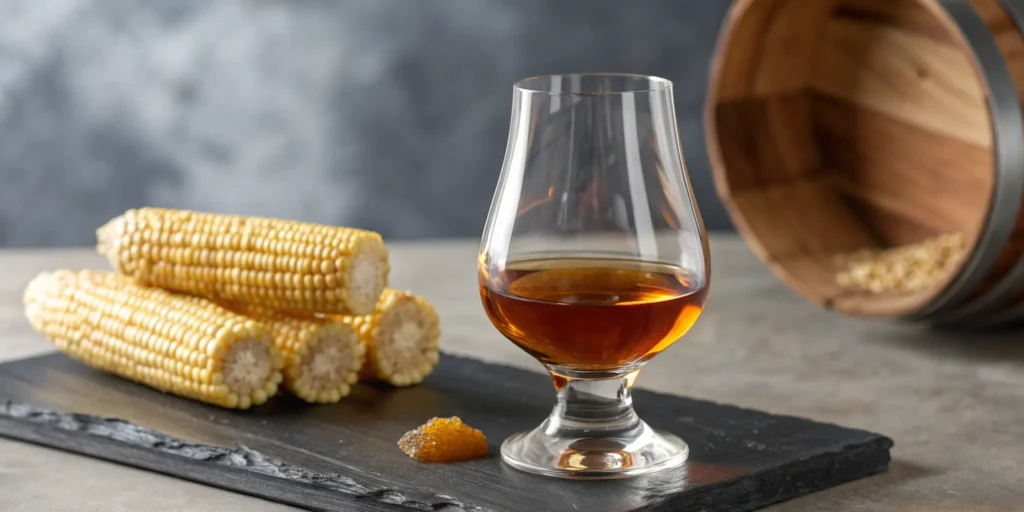
With its rich notes of caramel, vanilla, and butterscotch, it’s easy to assume bourbon must be packed with sugar. But here’s a surprising fact: straight bourbon whiskey contains virtually no sugar at all. The sweetness you perceive is a complex and delicious illusion, created by the raw ingredients and the magic of the distillation and aging process. So, if it’s not from added sweeteners, why does bourbon taste sweet? The answer is rooted in strict production laws, the natural properties of corn, and the transformative power of a charred oak barrel. It’s a testament to how craftsmanship can turn simple grains into a spirit with incredible depth and flavor.
Key Takeaways
- Bourbon’s Sweetness is All-Natural: The sweet flavor you taste comes directly from two sources: a grain recipe that must contain at least 51% corn and strict laws that forbid any added sugar after distillation.
- Charred Oak Barrels Create Key Flavors: Aging in a new, charred oak barrel is a critical step where the spirit gets its signature notes. The char caramelizes the wood’s sugars, infusing the bourbon with classic vanilla, caramel, and toffee flavors.
- The Second Grain Shapes the Final Taste: After corn, the choice of wheat or rye dramatically changes the bourbon’s character. Opt for a wheated bourbon for a softer, mellow sweetness, or pick a rye bourbon for a spicy kick that balances the sweet notes.
Why Does Bourbon Taste Sweet?
If you’ve ever sipped a glass of bourbon and noticed a pleasant, lingering sweetness, you’re not alone. That signature sweet character is one of the main reasons people fall in love with it, and it’s a defining feature that sets it apart from other whiskeys. But where does that flavor come from? It’s not from a spoonful of sugar stirred in at the end. Instead, bourbon’s sweetness is a beautiful result of its ingredients and the meticulous process of making it, from the grain selection all the way to the time it spends aging in a charred oak barrel.
This delightful taste is a combination of agricultural science and artisanal craftsmanship. The journey from grain to glass is governed by a strict set of rules that ensure every drop is authentic, and it’s within these rules that the magic happens. The sweetness you taste is earned, developed through chemistry and time. It begins with the very grains chosen for the mash bill and is later enhanced by the transformative power of the barrel. Let’s get into the two biggest factors that create this signature profile: the corn that forms its foundation and the strict standards that keep it pure.
Why It All Starts with Corn
The foundation of any bourbon is its mash bill, and by law, it must contain at least 51% corn. This isn’t just an arbitrary rule; corn is a naturally sweet grain, and that sweetness carries directly into the final spirit. Think of flavors like creamy butterscotch, rich caramel, and warm vanilla. These are all classic bourbon notes that have their roots in that corn-heavy recipe. While other grains like rye or wheat add spice or softness, corn is the ingredient that lays down that signature sweet base. It’s the heart of what makes our whiskeys so approachable and complex, providing a canvas for other flavors to build upon.
Is the Sweetness Natural or Added?
This is a common question, and the answer is simple: the sweetness in bourbon is completely natural. Strict regulations for American bourbon prohibit the addition of any sugar, coloring, or other additives after distillation. Every sweet note you taste is earned honestly through the production process. The sweetness comes from two key stages: first, from the high concentration of corn in the mash bill, and second, from the magic that happens inside the barrel. As the whiskey ages, it pulls caramelized sugars from the charred oak, adding layers of flavor. This commitment to purity is what makes bourbon a truly authentic spirit.
How Does the Production Process Create Sweetness?
That sweet corn mash is just the beginning. To become bourbon, it has to go through a careful transformation where those initial sugars are developed, concentrated, and refined. This isn’t a happy accident; it’s a deliberate process guided by chemistry and craft. Two of the most critical stages are fermentation and distillation, where the foundational sweetness of the spirit is truly built. Each step coaxes out different layers of flavor, turning a simple grain recipe into the complex, sweet spirit you pour into your glass. It’s here that the raw potential of the corn mash is shaped into the distinct character of a fine bourbon.
How Yeast and Fermentation Build Flavor
Think of fermentation as the first step in building flavor. When yeast is added to the mash, it gets to work converting sugars into alcohol. But not all sugars are created equal. The grains used in bourbon, particularly corn, produce more complex sugars that don’t ferment completely. This is key, as these leftover sugars contribute to a lingering sweetness and a rich, viscous mouthfeel in the final product. The fermentation process, when paired with the right yeast strain, enhances these sweet characteristics, allowing the natural sugars from the corn to become a core part of the bourbon’s flavor profile before it ever touches a barrel.
How Distillation Captures Sweetness
If fermentation builds the sweet flavors, distillation is what captures and concentrates them. During this stage, the fermented mash is heated until the alcohol turns into vapor. This vapor rises, carrying with it the delicate, sweet compounds created during fermentation. It’s then condensed back into a liquid, resulting in a spirit that is much richer in both flavor and sweetness. The specific type of yeast used earlier can also introduce unique fruity or floral notes that are concentrated in the final spirit during distillation. This step essentially purifies the spirit while locking in the very essence of its sweetness.
Why Do Charred Oak Barrels Add Sweetness?
If corn provides the initial sweet foundation, the charred oak barrel is where bourbon truly develops its rich, complex character. By law, bourbon must be aged in new, charred oak containers, and this step is far from just storage. It’s an active, transformative process where the barrel acts as a final, crucial ingredient. As the unaged spirit, or “white dog,” rests in the barrel, it interacts with the wood, pulling out flavors and colors that define the final product.
The magic lies in the char. Before a barrel is filled, its interior is toasted and then charred with an open flame. This intense heat fundamentally changes the chemistry of the wood, creating a layer of charcoal that works wonders on the whiskey. This process is a testament to the meticulous craftsmanship that has defined bourbon for centuries. The barrel isn’t just a vessel; it’s a workshop where time, temperature, and charred oak collaborate to create the spirit we love.
Charring Barrels: The Secret to Caramelization
So, what exactly does charring do? Think of it as a controlled, high-heat caramelization. The fire breaks down complex carbohydrates in the oak, like hemicellulose, into simpler wood sugars. As the bourbon ages, it seeps into the wood and dissolves these sugars, infusing the spirit with a natural sweetness. The char layer also acts as an incredible filter, absorbing harsh sulfur compounds and other impurities from the new spirit. This dual action both adds desirable flavors and subtracts undesirable ones, resulting in a smoother, more refined bourbon.
How Barrels Infuse Vanilla and Caramel Notes
The flavors imparted by the barrel go far beyond simple sweetness. The charring process also breaks down lignin, another component of the wood, which releases a compound called vanillin. As you might guess, this is the very same compound found in vanilla beans, and it’s responsible for the creamy vanilla and custard notes in a great bourbon. The caramelized wood sugars contribute those classic caramel, toffee, and butterscotch flavors. It’s this beautiful combination of compounds that gives each of our whiskeys its unique and layered profile, from subtle sweetness to rich, dessert-like complexity.
Does Climate Change How Sweet Bourbon Gets?
Absolutely. The environment outside the barrel plays a huge role in what happens inside. As temperatures rise during the day, especially during a hot Kentucky summer, the whiskey expands and pushes deep into the pores of the charred oak. When the temperature drops at night, the liquid contracts, pulling all those delicious, caramelized wood sugars and vanilla notes back out with it. This “breathing” cycle is essential to maturation. In fact, weathering conditions related to temperature and moisture are key factors in how the whiskey interacts with the barrel, making climate a silent partner in every drop.
Wheated vs. Rye Bourbon: What’s the Sweet Difference?
While corn is the star of any bourbon mash bill, the secondary grain is what truly defines its character. Think of it as the supporting actor that can steal the show. The choice between wheat and rye is one of the most significant decisions a distiller makes, as it sets the stage for the bourbon’s entire flavor profile. This single ingredient is what creates the divide between a soft, gentle sweetness and a bold, spicy complexity. Understanding this difference is key to finding the exact style of bourbon you’ll love. Our own award-winning whiskeys are a testament to how carefully selected grains create an unforgettable spirit.
Wheated Bourbon: A Softer, Mellow Sweetness
If you prefer a bourbon that’s smooth and approachable, a wheated bourbon is likely your perfect match. When distillers use wheat as the secondary grain, it results in a spirit with a much softer and rounder mouthfeel. The sharp, spicy notes found in other bourbons are replaced by a gentle, mellow sweetness. As some experts note, bourbons that use wheat instead of rye are often described as being smoother and sweeter. This creates a flavor profile rich with notes of honey, caramel, and vanilla, making it an excellent choice for sipping neat or for those just beginning to explore the world of bourbon.
Rye Bourbon: A Spicy Counterpoint to Sweetness
On the other side of the spectrum, you have rye bourbon. Using rye as the secondary grain introduces a bold and zesty character that provides a beautiful counterpoint to the sweetness from the corn. Bourbons with a higher rye content often taste more peppery and spicy, creating a complex and robust drinking experience. The rye grain itself is naturally spicy and can sometimes overshadow the sweetness in a whiskey, leading to notes of baking spice, black pepper, and even a hint of mint. This style is perfect for anyone who enjoys a more assertive flavor in their glass or in classic cocktails like an Old Fashioned.
Is There Actual Sugar in Your Bourbon?
With its rich notes of caramel, vanilla, and toffee, it’s easy to assume bourbon must be packed with sugar. But here’s a surprising fact: straight bourbon whiskey contains almost no sugar. The sweetness you taste isn’t the result of added sweeteners. Instead, it’s a complex and delicious illusion created by the raw ingredients and the magic of the distillation and aging process.
The journey from grain to glass is a masterclass in chemistry, transforming starchy corn into a spirit that tastes sweet without the sugar. So, if it’s not sugar, what exactly are you tasting? It all comes down to strict production laws and the beautiful science of making bourbon.
What the Law Says About Sugar in Bourbon
The government has some very specific rules about what can be called bourbon, and these regulations are the first clue to the sugar question. To be legally labeled as “straight bourbon,” the spirit’s mash bill must contain at least 51% corn. Corn is a naturally sweet grain, and using a high percentage of it, often closer to 70%, lays the foundation for a sweeter-tasting whiskey. This initial sweetness from the corn is then carried through the entire production process. The legal requirements for bourbon ensure that the flavor you experience is authentic to the spirit, not manufactured with additives.
Debunking the Myths About Bourbon and Sugar
One of the biggest myths about bourbon is that distillers add sugar or caramel coloring to achieve its signature taste and amber hue. For a spirit to be called straight bourbon, that’s strictly forbidden. The sweet flavor is a natural result of the specific ingredients and the aging process. All of the flavor and color must come from the new, charred oak barrels it’s aged in. The compounds extracted from the wood during maturation are what create those decadent notes of vanilla, caramel, and spice. So when you sip a quality bourbon, you’re tasting a pure expression of grain and wood, with no added sugars to get in the way.
What Sweet Flavor Notes Should You Look For?
When you pour a glass of bourbon, you’re holding a story of corn, fire, and time. The sweetness is a huge part of that story, but it’s not just one note. It’s a whole symphony of flavors waiting to be discovered. Learning to pick out these individual notes is one of the most rewarding parts of enjoying whiskey. It’s not about being an expert overnight; it’s about slowing down and paying attention to what’s in your glass. Let’s explore some of the most common sweet notes and how you can start identifying them.
How to Pinpoint Caramel, Vanilla, and Butterscotch
These are the classic, dessert-like flavors that make bourbon so inviting, and they come directly from the barrel. When distillers char new American oak barrels, the intense heat caramelizes the sugars in the wood, creating those rich, sweet notes. Vanilla comes from a compound in the wood called vanillin, which is released during the aging process. Think of warm, gooey caramel, the creamy sweetness of vanilla bean, or the rich, brown-sugar depth of butterscotch. To find them, give your bourbon a gentle swirl and take a slow sniff before you sip. You’ll often find these notes right on the nose. A bourbon like our Mary Dowling Double Oak Barrel, with its secondary aging, really brings these flavors forward.
Finding Notes of Honey, Toffee, and Fruit
Once you get past the initial caramel and vanilla, you can start looking for more nuanced sweet flavors. Honey offers a lighter, more floral sweetness, while toffee is a bit nuttier, like an English toffee candy. These notes also develop as the spirit interacts with the wood over time. The process of aging bourbon in American oak barrels is a true art that transforms the spirit into something complex and layered. You might also find fruity notes that add to the sweetness, like dried cherry, baked apple, or even a hint of orange zest. These often come from esters created during fermentation and maturation. They add a bright, vibrant layer that balances the deeper, wood-driven flavors.
Train Your Palate to Find the Sweetness
Identifying specific flavors is a skill you can build over time. The best way to start is by tasting intentionally. Pour a small amount into a glass, preferably one with a shape that concentrates the aromas, like a Glencairn. Take your time with it. Notice the color. Swirl it and smell it before you taste. When you take a sip, let it coat your tongue. What do you notice first? What lingers? Adding a tiny drop of water can sometimes open up the bourbon, softening the alcohol burn and allowing more subtle flavors to come through. The barrel’s char layer not only adds sweetness but also acts as a filter, removing other compounds so these sweet notes can shine. Don’t worry about getting it “right.” Your palate is unique, and the fun is in the discovery.
How Does Age Affect a Bourbon’s Sweetness?
When it comes to bourbon, age is more than just a number on the bottle. It represents years of patient transformation inside a charred oak barrel, where a young, sharp spirit mellows and develops the deep, complex character we love. As the bourbon rests, it has a long conversation with the wood, pulling out flavors and colors that define its final profile. Sweetness is a huge part of that conversation, but it’s not as simple as assuming that older bourbon is always sweeter.
The relationship between age and sweetness is about evolution and balance. Over time, the spirit extracts sugars from the caramelized wood, but it also picks up other notes like oak, spice, and tannins. The real art, something Mary Dowling understood well, is in knowing when a barrel has reached its peak, achieving that perfect harmony where the sweetness is beautifully integrated with a rich tapestry of other flavors. It’s this meticulous craftsmanship that turns a good bourbon into an exceptional one.
How Flavors Evolve in the Barrel Over Time
Think of a bourbon barrel as a slow cooker for flavor. As temperatures change with the seasons, the whiskey expands deep into the barrel’s wooden staves and then contracts, pulling out a host of delicious compounds. This is where the magic happens. The charring process caramelizes the natural sugars in the oak, and over time, the bourbon extracts these sweet notes, infusing the spirit with hints of caramel and toffee. The wood also contains compounds called vanillins, which impart that creamy vanilla flavor. This slow, deliberate interaction transforms the spirit into a flavorful masterpiece, layering in complexity year after year. Each of our whiskeys tells a story of this evolution, showcasing how different aging and finishing techniques create unique expressions of sweetness.
Is Older Bourbon Always Sweeter?
It’s a common myth that the longer a bourbon ages, the sweeter it gets. While aging certainly develops sweet notes, it also introduces other powerful flavors. After many years in a barrel, the influence of the oak itself becomes much more pronounced. The spirit can start to pull in too many tannins, which are the same compounds that give dry red wine its mouthfeel. This can lead to a bourbon that tastes more bitter, dry, or overly oaky rather than sweet. Furthermore, the specific barrel char levels play a huge role; a heavier char can contribute more smoky and spicy notes that balance or even overshadow the sweetness. The goal isn’t maximum age, but peak maturity, where sweetness, spice, and oak exist in perfect harmony.
Why Aren’t All Bourbons Equally Sweet?
If all bourbon starts with at least 51% corn and ages in new charred oak barrels, why does one taste like liquid caramel while another has a spicy bite? The answer lies in the subtle, yet significant, choices distillers make at every step. From the specific grain recipe to the type of barrel used for finishing, each decision layers on a unique set of flavors. Think of it like baking: two bakers can start with the same basic ingredients for a cake, but tiny adjustments in the recipe, oven temperature, and frosting create two completely different desserts. The same is true for bourbon, where craftsmanship and creativity shape the final spirit’s sweetness.
How the Mash Bill Changes the Flavor
The foundation of any bourbon’s flavor profile is its mash bill, which is simply the recipe of grains used. While corn must make up at least 51% of the mix, what distillers do with the other 49% makes all the difference. A higher corn content generally leads to a sweeter, more classic bourbon taste. The other grains, known as the “flavoring grains,” are typically rye or wheat. A bourbon with a high-rye mash bill will have a spicy, peppery character that cuts through the sweetness. On the other hand, a “wheated” bourbon, which uses wheat instead of rye, is much softer and smoother, often with a gentle, bready sweetness that complements the corn. Exploring different bourbon expressions is a great way to taste these differences firsthand.
The Art of Barrel Finishing and Selection
A huge portion of a bourbon’s flavor, including much of its sweetness, comes from the time it spends in a new charred oak barrel. The charring process is essential, as it caramelizes the natural sugars within the wood. As the bourbon ages, it pulls these sugars and other compounds out of the wood, infusing the spirit with notes of vanilla, caramel, and toffee. The char also acts as a natural filter, removing harsher elements from the raw spirit. Some distillers take this a step further with barrel finishing. This involves moving the aged bourbon into a second barrel, one that previously held something like sherry or port, to add another layer of flavor. This practice is a testament to the resilient and innovative spirit that defines modern bourbon making.
Does the Water Source Make a Difference?
Water is an unsung hero in the bourbon-making process. In Kentucky, distillers have a secret weapon: naturally limestone-filtered water. This water is special because it’s rich in minerals like calcium, which helps the yeast thrive during fermentation, but it’s also naturally low in iron. Iron is a whiskey-maker’s enemy, as it can create off-flavors and a dull, metallic taste. By starting with clean, iron-free water, distillers ensure that the pure flavors from the grains and the barrel can take center stage. While the water itself doesn’t add sweetness, it creates the perfect clean canvas, allowing the sweet, complex notes developed during fermentation and aging to shine through without any interference.
How Sweet Is Bourbon Compared to Other Whiskeys?
If you’ve ever sipped a bourbon and a scotch side-by-side, you’ve likely noticed a significant difference in sweetness. Bourbon generally sits on the sweeter end of the whiskey spectrum, and this isn’t by accident. Its characteristic flavor profile is a direct result of strict production rules that legally define what can be called bourbon, from the grains it uses to the barrels it ages in. This inherent sweetness makes it a fantastic foundation for classic cocktails and a rich, satisfying spirit to enjoy on its own.
The two main drivers behind bourbon’s sweetness are its primary grain and its aging vessel. By law, bourbon must be made from a mash bill of at least 51% corn, a grain known for its high sugar content. This creates a sweet foundation right from the start of the distillation process. Then, the spirit must be aged in brand-new, charred oak barrels. This is a critical step. The charring process caramelizes the natural sugars within the wood, which then infuse the aging whiskey with notes of vanilla, caramel, and toffee. Other whiskeys around the world, like Scotch or Irish whiskey, typically use malted barley and age in used barrels, resulting in more savory, earthy, or subtle flavor profiles. Even other American whiskeys, like rye, bring a spicy character that balances sweetness differently. Bourbon’s unique combination of corn and fresh, charred oak is what truly sets it apart, making its sweetness a defining and celebrated characteristic.
Bourbon vs. Scotch: A Tale of Two Sweetness Profiles
When comparing bourbon to Scotch, the primary difference comes down to the main ingredient. Bourbon’s mash bill must contain at least 51% corn, a naturally sweet grain that lays a sugary foundation from the very start. Scotch, in contrast, is made from malted barley, which contributes more of an earthy, cereal, and sometimes smoky character. The barrels play a huge role, too. Bourbon legally has to be aged in new charred oak barrels, which impart a tremendous amount of flavor, including vanilla and caramel from the wood sugars. Scotch is often aged in used barrels, many of which previously held bourbon. This means the barrel has already given much of its intense sweetness to another spirit, resulting in a more subtle and savory whisky profile.
How Does It Stack Up Against Irish and Other American Whiskeys?
Compared to Irish whiskey, bourbon is also typically sweeter. Irish whiskeys are often triple-distilled for a smoother, lighter body and are made primarily from barley. Like Scotch, they are aged in used barrels, so they don’t pick up the same deep, caramelized notes that bourbon gets from fresh oak. Even within the United States, bourbon stands out. Rye whiskey, another popular American spirit, must be made from at least 51% rye. This grain gives the whiskey a distinctively spicy, peppery flavor that acts as a counterpoint to sweetness rather than the main event. While all American whiskeys have their own unique charm, it’s bourbon’s combination of a corn-heavy recipe and aging in brand-new charred oak barrels that solidifies its reputation as the sweetest of the bunch.
Related Articles
Frequently Asked Questions
So, is sugar actually added to make bourbon sweet? Absolutely not. For a whiskey to be legally called a straight bourbon, nothing can be added after distillation except water to adjust the proof. The sweetness you taste is completely natural, earned from two key places: the high percentage of corn in the grain recipe and the caramelized sugars pulled from the charred oak barrel during aging.
Why does bourbon taste so much sweeter than Scotch or rye whiskey? It really comes down to the ingredients and the barrel. Bourbon’s sweetness starts with its legally required corn-heavy recipe. Scotch, on the other hand, is made from earthy malted barley, and rye whiskey uses a spicy grain that balances the sweetness. Plus, bourbon must be aged in brand-new charred oak barrels, which impart a ton of rich caramel and vanilla notes. Scotch and Irish whiskeys often use pre-used barrels that have already given up much of their intense sweetness.
If it’s not sugar, what creates those specific vanilla and caramel flavors? Those delicious, dessert-like notes come directly from the barrel. Before a barrel is used, its inside is toasted and charred with an open flame. This process caramelizes the natural sugars in the wood. As the bourbon ages, it soaks into the wood and dissolves these sugars, creating those toffee and caramel flavors. The charring also releases a compound called vanillin, the very same one found in vanilla beans, which gives bourbon its signature creamy vanilla character.
Does a bourbon get sweeter the longer it ages? Not necessarily. While a bourbon does pull sweet flavors from the barrel over time, it also picks up other characteristics from the wood, like oak and tannins. After too many years, those woody and sometimes bitter notes can start to overpower the sweetness, creating a spirit that tastes more dry or oaky. The goal for a great bourbon isn’t maximum age, but peak maturity, where all those flavors are in perfect balance.
All bourbons have corn, so why do they taste so different in sweetness? While corn provides the sweet foundation, the other grains in the recipe have a huge impact. A bourbon that uses wheat as its secondary grain will be much softer and gentler than one that uses spicy rye. Beyond that, distillers make countless other choices that affect the final taste, from the specific yeast strain they use to the char level of the barrel and even how they might finish the bourbon in a second, different type of cask to add another layer of flavor.

Justin Pakdaman is the Marketing Director for Mary Dowling Whiskey Co., where he leads brand storytelling, digital strategy, and consumer engagement. Justin has years of experience building premium spirits brands.