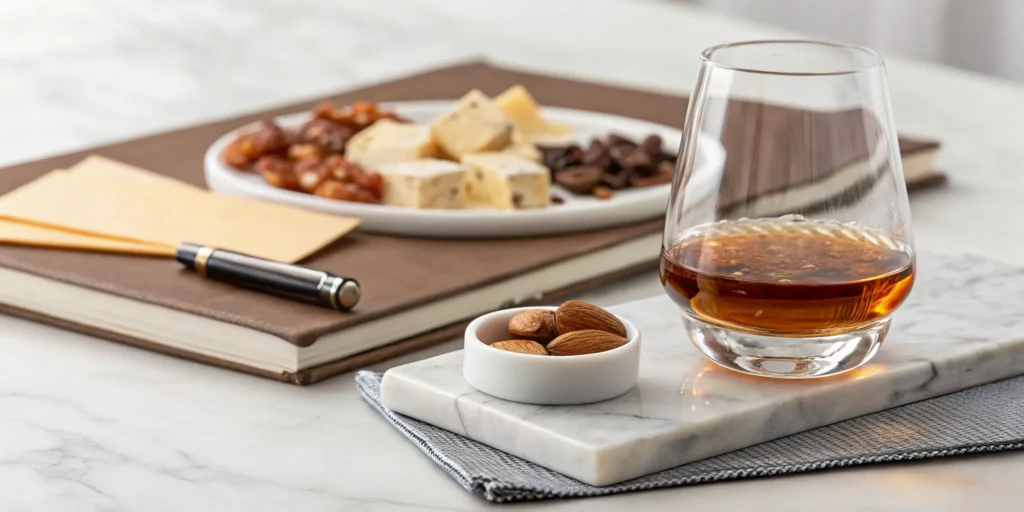
Moving from simply drinking bourbon to truly tasting it is about transforming a simple act into a full sensory experience. It’s the difference between hearing a song in the background and putting on headphones to catch every note. When you learn how to taste bourbon, you start to notice the details: the way the light catches its color, the layers of aroma that rise from the glass, and the evolution of flavor from the first sip to the lasting finish. It’s a mindful practice that deepens your appreciation for the distiller’s craft. You don’t need to be a professional critic; you just need to be present. This guide offers a straightforward approach to help you tune your senses and discover the complexity and character in every pour.
Key Takeaways
- Engage your senses with a simple method: A great tasting follows three steps: look at the bourbon’s color to gauge its age, smell its aroma to anticipate the flavor, and finally, take a small sip to let the full story unfold on your palate.
- Set the stage for a better tasting: Use a tulip-shaped glass to concentrate the aromas, serve the bourbon neat at room temperature to experience its true character, and keep water and plain crackers nearby to reset your palate between pours.
- Trust your palate and enjoy the process: Remember that tasting is a personal journey, not a test. Slow down, pay attention to what you enjoy, and have confidence in your own preferences; the best bourbon is always the one you like.
What is Bourbon Tasting?
Bourbon tasting is simply the practice of slowing down to mindfully experience a whiskey. It’s less about being a formal expert and more about becoming an active participant in the story the spirit is telling. Think of it as a conversation between you and the distiller. By paying attention to the color, aroma, and flavor, you can appreciate the incredible journey from grain to glass, a process full of intention and artistry. It’s a chance to connect with the rich history and meticulous craftsmanship behind every bottle, especially one born from a legacy as resilient as Mary Dowling’s.
The goal isn’t to correctly identify every obscure note. Instead, it’s about discovering what you enjoy and learning to articulate why. It’s a personal exploration that makes every pour more meaningful.
Appreciate the Craft in Every Sip
Let’s get one thing straight: bourbon tasting is not a test, and there are no wrong answers. The most important thing is to relax and trust your own senses. What you taste is unique to your palate and your personal experiences. The flavors in bourbon are entirely natural, a direct result of the ingredients and the aging process. The grains contribute notes of spice and sweetness, the yeast can introduce fruity or floral hints, and the charred oak barrel imparts everything from vanilla and caramel to smoke and leather. Appreciating these nuances is a way to honor the distiller’s art and the complexity of our meticulously crafted whiskeys.
Develop Your Palate Over Time
Learning to taste bourbon is a skill that you build with practice. It’s about creating a personal library of smells and tastes in your memory. Don’t worry about pinpointing “crushed violets” or “tanned leather” on your first try. Instead, start with broad categories. Is it sweet? Spicy? Fruity? Woody? From there, you can get more specific. Does that fruity note remind you of apples or cherries? Does the spice feel like cinnamon or black pepper? A great way to train your senses is to simply pay more attention to the world around you. Smell the spices in your kitchen, the fruit at the market, or the scent of rain on a warm day. The more you practice, the more confident you’ll become in identifying and enjoying the rich layers in your glass.
How to Prepare for a Bourbon Tasting
A great tasting experience starts long before the bourbon ever touches your lips. Just like Mary Dowling’s meticulous approach to crafting her whiskey, a little preparation can make all the difference. Setting the stage properly allows the spirit’s true character to shine, ensuring you catch every subtle note and nuance. Think of it as creating the perfect canvas for the art you’re about to enjoy. By controlling a few key variables, you give the bourbon the respect it deserves and give yourself the best possible tasting. Here’s how to get everything ready for a memorable experience, whether you’re tasting solo or with friends.
Choose the Right Glassware
The shape of your glass directly impacts your ability to appreciate the bourbon’s aroma, which is a huge part of its flavor. While any glass will hold your whiskey, a tulip-shaped glass, like a Glencairn, is designed to concentrate the aromatic compounds at the narrow rim, making them easier to detect. If you’re hosting a tasting for a few people, try to provide everyone with the same size and shape of tasting glass to create a consistent experience for all. And it might sound obvious, but make sure your glasses are sparkling clean. Any lingering soap or dust can introduce unwanted flavors and interfere with the pure taste of the bourbon you’re about to savor.
Set the Ideal Temperature and Environment
For the most authentic tasting, you’ll want to serve your bourbon at room temperature. Chilling the spirit can mute some of its more delicate flavors and aromas, hiding the complexity the distiller worked so hard to create. You should also pay attention to your surroundings. A successful tasting happens in a neutral environment, free from competing scents like cooking aromas, scented candles, or strong perfume. When you’re ready to pour, an ounce of each bourbon is plenty. This amount, about a finger’s width, is enough to let you fully appreciate a spirit like our Tequila Barrel Finished Bourbon without overwhelming your senses.
Cleanse Your Palate Between Sips
If you’re tasting more than one bourbon, you’ll want to reset your taste buds between each one. This ensures you’re experiencing every whiskey on its own terms, without the lingering flavors of the last one. Simple, unsalted crackers or a piece of plain bread work perfectly as palate cleansers. It’s also essential to have room-temperature water on hand. Take a sip of water between bourbons to rinse your palate. Encourage everyone to try the bourbon neat first to get a baseline impression. After that initial taste, adding a few drops of water can be transformative, often opening up the whiskey to reveal new layers of flavor and aroma.
The 3 Essential Steps for Tasting Bourbon
Tasting bourbon is about more than just taking a drink; it’s a full sensory experience. By breaking it down into three simple steps—look, smell, and sip—you can slow down and truly appreciate the story each whiskey tells. This method helps you notice the subtle details that distillers and blenders work so hard to create, from the rich color developed in the barrel to the complex layers of aroma and flavor. Think of it as a conversation with your whiskey. Let’s walk through how to listen to what it has to say.
Step 1: Look
Before the glass even reaches your lips, take a moment to observe the bourbon’s color. Hold it up to the light and notice the specific hue. Is it a pale straw, a warm honey, or a deep, rich amber like our Mary Dowling Double Oak Barrel Bourbon? The color offers the first clues about the bourbon’s journey. Generally, a darker color suggests a longer aging process in charred oak barrels, where the spirit pulls more character and complexity from the wood. This visual cue sets the stage for the aromas and flavors you’re about to experience, giving you a hint of the bourbon’s age and depth.
Step 2: Smell
Next, it’s time to explore the aroma, or the “nose.” This is where a huge part of the tasting experience happens. If you’re using a tulip-shaped glass, it will help concentrate the scents. Gently swirl the bourbon in the glass to release its aromatic compounds. Bring the glass toward your nose, but don’t stick it all the way in. Keep your mouth slightly parted and inhale slowly. This prevents the alcohol vapor from overwhelming your senses. Taking a few moments to fully appreciate the bouquet allows you to pick up on notes of vanilla, caramel, oak, fruit, or spice before you even take a sip.
Step 3: Sip
Finally, the moment you’ve been waiting for: the taste. Your first sip should be a small one. Think of it as an introduction, allowing your palate to adjust to the proof and initial flavor profile. For the second sip, take a little more and let it coat your entire mouth. Try gently “chewing” the bourbon for a few seconds. This simple action helps spread the liquid across all your taste buds, revealing its full range of flavors and textures. You’ll start to notice how the initial taste evolves into the mid-palate and finally, the finish. This is how you can begin to identify the distinct character of each pour.
How to Properly Nose Bourbon
Before you even take a sip, your nose can tell you so much about the bourbon in your glass. Nosing, or smelling the whiskey, is a crucial step because our sense of smell is deeply connected to our sense of taste. It’s your first introduction to the bourbon’s character, revealing the complex layers of aroma that were developed during its long journey from grain to glass. Think about it: the sweetness from the corn, the spice from the rye, and the deep, rich notes of caramel and vanilla imparted by years spent in a charred oak barrel. All of these elements combine to create a unique aromatic profile.
Taking a moment to appreciate the scent does more than just prepare your palate for the flavors to come; it helps you understand the story and craftsmanship behind the spirit. It’s a way to connect with the distiller’s art and the legacy of bourbon making, a tradition Mary Dowling herself championed with resilience and vision. By learning to identify these distinct notes, you’re not just drinking bourbon, you’re experiencing it on a much deeper level. This practice separates a casual sip from a true tasting. Think of it as reading the cover of a book before you dive into the story. It sets the stage for a richer, more complete experience and allows you to appreciate every nuance the bourbon has to offer.
Master the Swirl and Sniff
To get started, hold your glass by the base or stem and give it a gentle swirl. This simple motion aerates the bourbon, allowing oxygen to mix with the liquid and release its aromatic compounds. As you swirl, you’ll notice the “legs” or “tears” of the whiskey running down the side of the glass, which can give you a hint about its viscosity. Using the right type of glassware, like a tulip-shaped Glencairn glass, helps concentrate these aromas at the rim, making them easier to detect. Once you’ve swirled, bring the glass toward your nose slowly to get a gentle first impression.
Take Short Sniffs with Your Mouth Open
Instead of taking one deep inhale, which can overwhelm your senses with the scent of alcohol, try taking a few short, gentle sniffs. A great technique is to keep your mouth slightly open as you smell. This allows some of the alcohol vapors to escape, so you can get past the ethanol and focus on the more delicate aromas underneath. Move the glass around a bit, smelling from different angles to see if you can pick up new scents. This method is much gentler on your nose and lets you explore the bourbon’s aromatic profile without the sharp burn.
Identify Key Aroma Categories
As you nose the bourbon, try to identify what you’re smelling. Don’t worry about getting it “right” at first; just think about broad categories. Are the scents sweet, spicy, fruity, or woody? Common bourbon aromas include caramel, vanilla, and honey from the charred oak barrels. You might also detect baking spices like cinnamon and nutmeg, or fruity notes of cherry and citrus. Our Mary Dowling Toasted Oak Rye often presents beautiful notes of warm spice and sweet tobacco. Jotting down your impressions in a notebook can help you build a scent vocabulary over time.
What is the Kentucky Chew?
If you’ve spent any time around bourbon lovers, you’ve probably heard the term “Kentucky Chew.” It might sound a little strange, but it’s a classic tasting technique that pros use to experience every single note a whiskey has to offer. Think of it as the best way to get the full story of the spirit in your glass. This method involves swishing the bourbon around your mouth to make sure it coats every surface, allowing you to pick up on subtle flavors you might otherwise miss. It’s a simple move that makes a huge difference in your tasting experience.
How to Perform This Classic Technique
Ready to give it a try? After your initial, smaller sip to acclimate your palate, take a slightly larger sip of bourbon. Instead of swallowing right away, gently move the liquid around your mouth. The goal is to coat your entire palate, including your tongue, cheeks, and even your teeth. You can create a gentle “chewing” motion with your jaw to help move the whiskey. It’s not an aggressive action, but a thoughtful way to let the bourbon introduce itself. Hold it for a few seconds before swallowing to really let the flavors sink in.
Why This Method Reveals More Flavor
The Kentucky Chew works for a couple of key reasons. First, it helps your mouth adjust to the proof of the alcohol. That initial warmth can sometimes overshadow the more delicate notes in a whiskey. By swishing the bourbon, you give your palate a moment to get used to the alcohol, which in turn lets the other flavors come out. Second, this technique ensures the whiskey makes contact with all of your taste buds, revealing its full complexity and texture. You’ll get a better sense of the mouthfeel, whether it’s oily, creamy, or thin.
When to Use the Kentucky Chew
Timing is everything. You don’t want to use the Kentucky Chew on your very first sip. That initial taste is all about preparing your palate for what’s to come; it’s often called the “primer sip.” Once your mouth is ready, the second or third sip is the perfect time to perform the chew. This is when you can truly start to analyze the spirit and explore its unique character. It’s the ideal moment to appreciate the craftsmanship in a complex spirit, like one of Mary Dowling’s thoughtfully finished whiskeys.
How to Identify Flavors and Finish
After you’ve looked and smelled, it’s time for the best part: the sip. This is where the bourbon’s full story unfolds on your palate. The initial taste reveals its primary character, while the finish is its lasting impression. Don’t feel pressured to identify a dozen complex notes right away. The goal is simply to pay attention to what you’re experiencing and learn what you enjoy.
Tasting is a personal experience, and every palate is different. What you taste might be completely different from what your friend tastes, and that’s perfectly fine. The key is to be patient and deliberate, allowing the spirit to reveal its layers in its own time. With each sip, you’ll get more familiar with the nuances that make each bourbon unique, from the grain that forms its base to the barrel that gives it character.
Take Small, Deliberate Sips
Your first sip shouldn’t be a big gulp. Instead, take a very small, gentle sip to let your taste buds acclimate to the proof. Think of it as waking up your palate. This initial taste prepares you for the complex flavors to come without overwhelming your senses with alcohol burn.
Always try to taste bourbon neat first, without any ice or water. This allows you to experience the spirit exactly as the distiller intended, giving you the purest expression of its flavor profile. Once you’ve tasted it neat, you can experiment by adding a few drops of water, which can sometimes open up new aromas and soften the intensity. This is a great way to explore the distinct character of different award-winning whiskeys.
Recognize Primary Flavor Notes
As you continue to sip, let the bourbon roll over your entire tongue. What flavors stand out to you? Common notes in bourbon include caramel, vanilla, oak, and baking spices like cinnamon or nutmeg. You might also detect fruity or floral notes. Try to connect what you’re tasting with what you smelled earlier. If you picked up a hint of cherry in the aroma, can you find that same note on your palate?
There are no wrong answers here. The flavors you identify are based on your own sensory memory. Whether it’s the sweetness of toasted marshmallow or the earthiness of tobacco, trust what your palate is telling you. This is how you begin to build a mental library of flavors and understand what makes each bourbon special.
Evaluate a Short vs. Long Finish
The finish is the final chapter of the tasting experience. It refers to the flavors and sensations that linger in your mouth after you’ve swallowed the bourbon. To properly assess it, make sure to swallow at least twice and pay attention to what remains. Does the flavor disappear almost immediately, or does it stay with you for a while?
A finish that fades quickly is called a “short” finish. A “long” finish is one that lingers, allowing you to savor the flavors long after the sip is gone. You might notice a warm, pleasant sensation, often called a “Kentucky Hug.” Consider which notes stick around. Is it a sweet vanilla, a spicy rye, or a mellow oak? The finish is a key indicator of a bourbon’s complexity and craftsmanship.
Common Tasting Mistakes to Avoid
Tasting bourbon is a personal experience, and your palate is your own. There are no right or wrong answers. However, a few common habits can prevent you from fully appreciating the complex character inside your glass. By avoiding these simple missteps, you can get a much richer and more rewarding experience from every pour. Think of it less as following strict rules and more as clearing the way for the bourbon to tell its story. These small adjustments will help you notice the subtle details and craftsmanship that make each whiskey unique.
Rushing the Process
The most common mistake is simply moving too fast. Bourbon takes years to mature in the barrel, so it deserves more than a few seconds of your time. Treat the tasting as a moment to slow down and be present. Instead of quickly sniffing and sipping, give yourself time to observe the color, explore the aromas, and let the flavors unfold on your palate. Remember, this isn’t a test. It’s an opportunity to relax and appreciate the spirit without any pressure to perform. Taking your time allows you to connect with the whiskey and notice nuances you might otherwise miss.
Adding Ice or Water Too Soon
While a bourbon on the rocks can be refreshing, adding ice or water before your first sip can mask the spirit’s true character. Always try to taste bourbon neat first. This gives you a pure impression of the whiskey as the distiller intended it. After that initial taste, if you find the proof a bit too intense, add a few drops of room-temperature water. This can help soften the alcohol and coax out more delicate floral or fruit notes. The goal isn’t to dilute the bourbon, but to gently open it up and reveal its hidden layers.
Skipping the Nosing Step
Your sense of smell is incredibly powerful and directly linked to your sense of taste. Skipping the nosing step is like reading only half a page of a book; you miss a huge part of the story. Before you sip, gently swirl the bourbon in your glass to release its aromatic compounds. Bring the glass to your nose, but keep your mouth slightly open. This simple trick allows some of the alcohol vapor to escape, so you can smell the bourbon’s true bouquet without the burn. You’ll be amazed at the scents you can identify, from vanilla and caramel to oak and spice.
Overwhelming Your Palate
It can be tempting to take a large gulp, but this will likely overwhelm your taste buds with alcohol, making it difficult to discern any actual flavors. Instead, take a small, deliberate sip and let the liquid coat your entire tongue. This allows your palate to acclimate to the proof and gives you a chance to identify the complex flavors as they develop. If you’ve ever heard of the “Kentucky Chew,” this is the principle behind it. Small sips are key to moving past the initial heat and discovering the rich tapestry of notes waiting underneath.
Your Bourbon Tasting Toolkit
You don’t need a lot of fancy equipment to taste bourbon, but a few key items can make a world of difference. Think of it as setting the stage for the main event. Having the right tools on hand helps you focus on the aromas and flavors in your glass, ensuring you get the most out of every sip of our meticulously crafted Mary Dowling whiskeys.
Essential Glassware for Tasting
The shape of your glass truly matters when it comes to appreciating bourbon. While any glass will hold your whiskey, a tulip-shaped glass is the gold standard for a reason. Its wide bowl allows you to swirl the liquid, and the narrow rim concentrates the complex aromas, directing them right where you can best enjoy them. This design helps you pick up on subtle notes you might otherwise miss. If you’re tasting with friends, try to use the same style of glass for everyone to keep the experience consistent. And it goes without saying, but always start with a sparkling clean glass for the purest taste.
Palate Cleansers and Room-Temperature Water
Keeping your palate fresh is key to distinguishing the unique character of different bourbons. Simply sipping room-temperature water between tastings can wash away lingering flavors and prepare you for the next pour. Unsalted crackers or a plain piece of bread also work perfectly as a neutral reset button for your taste buds. You might also want to have a dropper with some water handy. Adding a few drops to your bourbon can soften the alcohol’s intensity and help new flavors emerge, a little trick many seasoned tasters use to explore a spirit’s full depth.
A Journal to Track Your Notes
One of the best ways to grow your appreciation for bourbon is to write down what you think. Keeping a small tasting journal helps you remember which whiskeys you’ve tried and what you liked about them. You don’t need to be a professional critic; just jot down your impressions. What did it smell like? What flavors came to mind? Was the finish long or short? Over time, you’ll start to notice patterns in your preferences and become more confident in describing what you taste. It’s a personal record of your own tasting journey, much like the one that inspired the story of Mary Dowling.
How to Sharpen Your Tasting Skills
Becoming a great bourbon taster doesn’t happen overnight. It’s a skill you develop by paying attention and practicing, much like learning a new instrument or recipe. The more you mindfully taste, the more your palate will evolve, allowing you to pick up on the subtle complexities that make each whiskey unique. The goal isn’t to become a certified expert, but to deepen your appreciation for the spirit in your glass. By training your senses, you can better understand your own preferences and get more enjoyment out of every sip. These simple exercises will help you refine your palate and build the confidence to describe what you’re tasting.
Simple Practice Techniques
To get started, focus on the fundamentals. When you take a sip, let the bourbon rest on your tongue for a few seconds before swallowing. This gives your palate a moment to adjust to the alcohol and begin identifying flavors. After you swallow, notice the lingering taste, known as the finish. Does it fade quickly or stick around? You can also train your nose outside of tasting sessions. Open up your spice cabinet and smell things like cinnamon, cloves, and vanilla. This simple exercise helps create a scent library in your mind, making it easier to identify those same notes in a glass of one of our Mary Dowling whiskeys.
Train Your Flavor Memory
Have you ever tasted something familiar but couldn’t quite name it? That’s where flavor memory comes in. Our senses are deeply connected to our memories, and you can use this to your advantage. If a certain note in a bourbon reminds you of a place, a person, or a specific food, lean into that connection. Maybe the toasted oak notes bring back memories of a campfire, or a hint of dried fruit reminds you of your grandmother’s holiday baking. Tying flavors to personal experiences makes them easier to recall and describe later. It’s not about finding the “right” word, but about finding your word.
Build Confidence in Your Preferences
The most important rule of bourbon tasting is that there are no wrong answers. Your palate is your own, and what you taste is valid. Don’t worry about whether your notes match a professional review or what your friends are tasting. The journey is about discovering what you enjoy. Maybe you prefer a bourbon with a bold, spicy finish or one with softer, sweeter notes. Trust your instincts. Mary Dowling herself was a woman who trusted her own vision, creating a legacy born from a trailblazing spirit. Embrace that same confidence, have fun with the process, and remember that the best bourbon is the one you like to drink.
Related Articles
Frequently Asked Questions
Does the type of glass I use really make a difference? Yes, it absolutely does, especially when you’re trying to appreciate the aroma. A glass with a wider bowl and a tapered rim, like a Glencairn, is designed to capture and concentrate the bourbon’s complex scents. This makes it much easier for you to pick up on those notes of vanilla, oak, or spice before you even take a sip. While you can certainly enjoy bourbon from any glass, using the right one gives the spirit the best stage to perform on.
Is it okay to add water or ice to my bourbon? This is a great question, and the answer depends on your goal. For a true tasting, I always recommend trying the bourbon neat first to experience it exactly as the distiller intended. After that initial sip, adding a few drops of room-temperature water can be a fantastic way to open up the spirit, softening the alcohol and revealing more delicate flavors. I would save the ice for when you’re simply enjoying a glass, as the cold temperature can mute the bourbon’s complexity.
I’m new to this. What are the most common flavors I should look for first? Don’t feel pressured to find obscure notes right away. A great starting point is to think in broad categories. Ask yourself if it tastes sweet, spicy, fruity, or woody. From there, you can get more specific. Many bourbons will have classic sweet notes of caramel, vanilla, or honey from the barrel. You might also find baking spices like cinnamon, or woody flavors from the oak itself. Trust your own palate and start with what you know.
What should I do if all I can smell is alcohol? This is completely normal when you’re starting out, so don’t get discouraged. The key is to be gentle with your approach. Instead of sticking your nose deep into the glass and inhaling sharply, try keeping your mouth slightly open as you sniff. This allows some of the strong alcohol vapor to escape, letting the more subtle aromas come through. Taking short, light sniffs rather than one big one also helps a lot.
If I’m hosting a tasting, how many different bourbons should we try? When it comes to a tasting flight, less is often more. I find that tasting three to five different bourbons is the sweet spot. This gives you enough variety to compare and contrast without overwhelming your palate. Any more than that, and you risk palate fatigue, where your taste buds get tired and it becomes difficult to distinguish the unique character of each spirit.

Justin Pakdaman is the Marketing Director for Mary Dowling Whiskey Co., where he leads brand storytelling, digital strategy, and consumer engagement. Justin has years of experience building premium spirits brands.