Walk into any well-stocked liquor store in Kentucky, and the words “Kentucky Straight Bourbon Whiskey” will greet you from nearly every shelf. It’s more than a label. It’s a legal promise of quality, a declaration of place, and a mark of tradition that separates the state’s finest spirits from everything else on the market. Understanding what those words mean unlocks a deeper appreciation for America’s native spirit and the craft that goes into every bottle. This guide breaks down each part of the designation so you know exactly what you’re getting when you reach for a bottle of Kentucky straight bourbon whiskey.
Key Takeaways
- “Straight” Means at Least Two Years in New Charred Oak: To be labeled “straight,” a bourbon must age for a minimum of two years in new, charred oak barrels with absolutely no added coloring, flavoring, or blending spirits. If aged less than four years, the label must state the exact age.
- Kentucky’s Geography Creates Superior Bourbon: The state’s limestone-filtered water, dramatic seasonal temperature swings, and deep distilling heritage give Kentucky bourbon a character that other regions struggle to replicate.
- Not All Bourbon Qualifies as “Straight”: Regular bourbon has no minimum aging requirement, and blended bourbon may contain added coloring or neutral spirits. “Straight” is the higher standard, and “Kentucky Straight” is the gold standard.
What Makes Bourbon “Bourbon” in the First Place?
Before we can understand what “straight” and “Kentucky” add to the equation, we need to start with the foundation. Bourbon itself is a strictly regulated category of American whiskey. In 1964, Congress declared bourbon a “distinctive product of the United States,” giving it legal protections similar to Champagne in France or Scotch in Scotland.
To earn the name “bourbon,” a whiskey must meet every one of these federal requirements:
- Made in the United States — Bourbon can legally be produced anywhere in America, though Kentucky produces the vast majority.
- Mash bill of at least 51% corn — This corn-heavy recipe is what gives bourbon its signature sweetness. The remaining grains, typically rye, wheat, or malted barley, shape the flavor profile.
- Distilled to no more than 160 proof (80% ABV) — This ensures the grain character comes through rather than being stripped away.
- Entered into new, charred oak barrels at no more than 125 proof — The charred interior of these virgin barrels is where bourbon gets its color, vanilla notes, and caramel sweetness.
- Bottled at a minimum of 80 proof (40% ABV) — This guarantees a spirit with full flavor and body.
Notice what’s missing from that list: there is no minimum aging requirement for standard bourbon. A distiller could technically age bourbon for a single day and still call it bourbon. That’s precisely where the “straight” designation steps in to raise the bar.
What Does “Straight” Mean on a Bourbon Label?
The word “straight” on a bourbon label is the federal government’s seal of maturity and purity. It tells you that the whiskey inside that bottle has been held to a higher standard than basic bourbon. The Code of Federal Regulations (27 CFR 5.73) lays out specific rules that a bourbon must follow to earn the “straight” designation:
Minimum Two Years of Aging
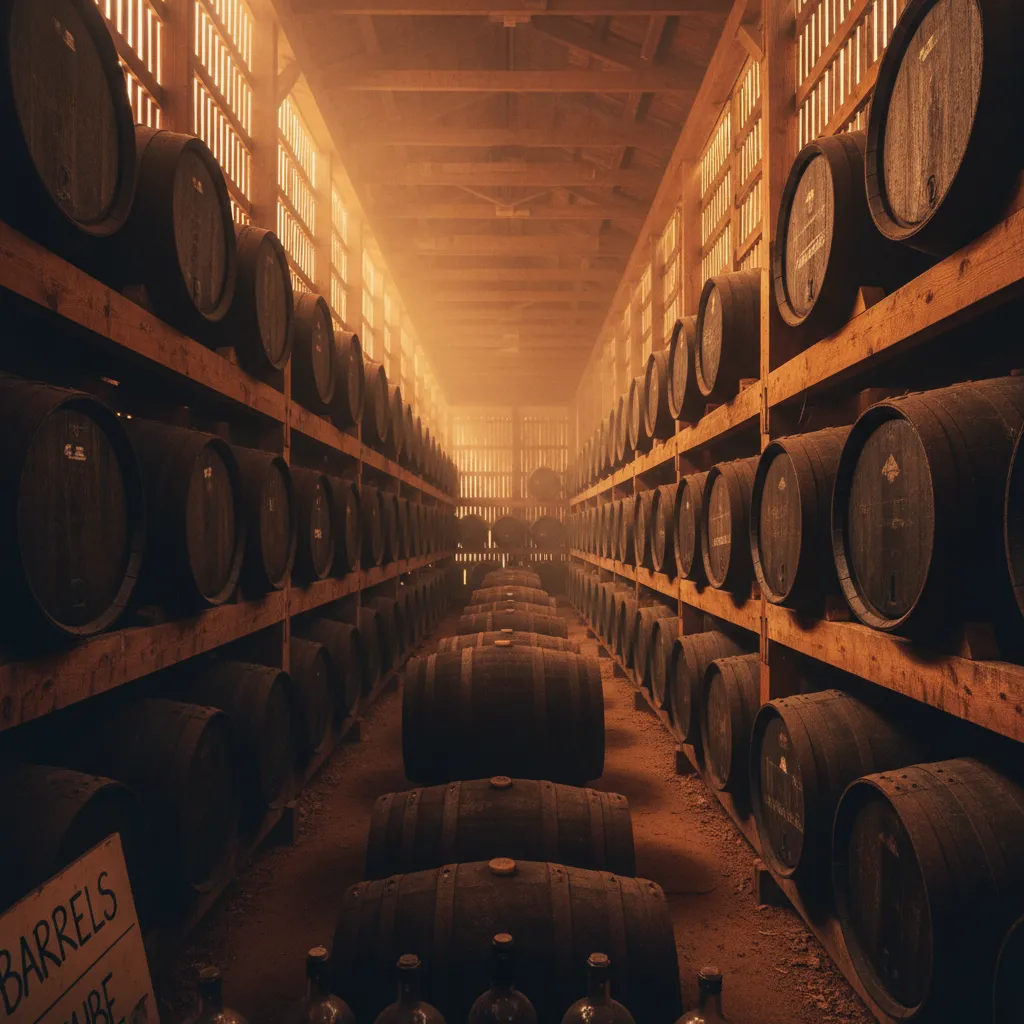
A straight bourbon must spend at least two full years maturing in new, charred oak barrels. This isn’t a suggestion or a marketing claim. It’s the law. During those two years, the spirit undergoes a transformation as it expands into the charred wood during hot Kentucky summers and contracts during cold winters. Each cycle draws out vanillin, tannins, and caramelized sugars from the oak, building complexity that young bourbon simply cannot achieve.
There’s an important nuance here: if a straight bourbon is aged less than four years, the producer must print the exact age on the label. Once it hits the four-year mark, age statements become optional. This is why many bourbons on the shelf don’t carry an age statement. It doesn’t mean they’re young. It means they’re at least four years old.
No Added Coloring or Flavoring
This is where straight bourbon draws a hard line in the sand. Unlike some other whiskey categories around the world that allow the addition of caramel coloring (looking at you, certain Scotch producers), straight bourbon must derive 100% of its color, aroma, and flavor from the grain, the fermentation, the distillation, and the barrel aging process. Nothing artificial goes in. What you taste is the pure result of craftsmanship and time.
No Blending with Neutral Spirits
Straight bourbon cannot be blended with neutral grain spirits, which are the flavorless, high-proof alcohols sometimes used to stretch cheaper products. When a straight bourbon is a blend, it can only be blended with other straight bourbons. And if those straight bourbons come from different states, the label must say “a blend of straight bourbon whiskeys” rather than naming a single state of origin.
Why Does the “Kentucky” Part Matter?
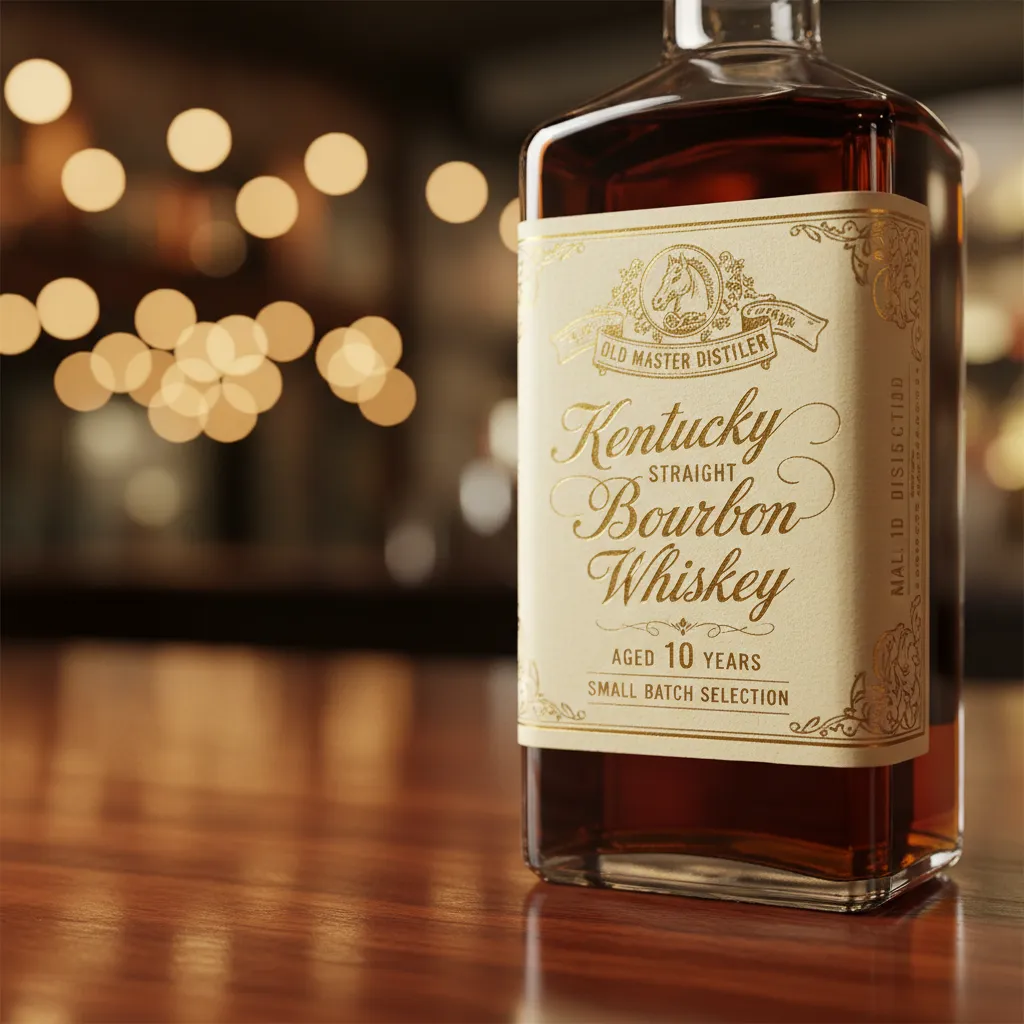
Here’s a fact that surprises many bourbon newcomers: bourbon does not have to be made in Kentucky. It can legally be produced in any of the 50 states. So why does Kentucky dominate, and why does the label “Kentucky Straight Bourbon Whiskey” carry such weight?
Limestone Water
Kentucky sits atop a massive shelf of limestone bedrock. As water filters through this ancient stone, it picks up calcium and magnesium while shedding iron, which can produce off-flavors in spirits. The result is naturally mineral-rich, iron-free water that’s ideal for fermentation and mashing. This geological advantage has been attracting distillers to the Bluegrass State for over two centuries.
The Perfect Climate for Aging
Kentucky’s dramatic seasonal temperature swings, from humid summers that can push past 95°F to winters that dip well below freezing, create an aggressive aging cycle. The bourbon expands deep into the wood during hot months, extracting flavor and color, then contracts during the cold, pulling those rich compounds back into the liquid. This “breathing” effect accelerates the maturation process, giving Kentucky bourbon a depth of flavor that’s difficult to replicate in milder climates.
Centuries of Distilling Heritage
Kentucky has been making bourbon since the late 1700s. The knowledge passed down through generations of master distillers, coopers, and warehouse managers creates an ecosystem of expertise that no other state can match. The story of Mary Dowling is a prime example. A woman who defied Prohibition-era restrictions to preserve bourbon’s future, Mary Dowling’s legacy is woven into the very fabric of Kentucky’s distilling tradition.
The Legal Definition
For a bourbon to carry “Kentucky” on the label, it must be both distilled and aged in the state. A bourbon distilled in Kentucky but aged in Indiana, for example, cannot call itself Kentucky bourbon. This geographic requirement protects the authenticity and ensures that every bottle bearing the name benefits from the state’s natural advantages.
Straight Bourbon vs. Regular Bourbon: The Key Differences
The table below breaks down the practical differences between bourbon that carries the “straight” designation and bourbon that doesn’t:
| Requirement | Bourbon | Straight Bourbon |
|---|---|---|
| Minimum aging | No federal minimum | 2 years in new charred oak |
| Added coloring | Permitted under certain conditions | Strictly prohibited |
| Added flavoring | Permitted in some blended products | Strictly prohibited |
| Blending with neutral spirits | Allowed (becomes “blended bourbon”) | Not allowed |
| Age statement required | Not required | Required if under 4 years old |
| State designation (e.g., Kentucky) | Must be distilled in that state | Must be distilled AND aged in that state |
The “straight” label essentially guarantees that nothing has been added or subtracted from what the barrel produced. It’s bourbon in its most honest form.
How Kentucky Straight Bourbon Whiskey Is Made
The journey from grain to glass follows a process refined over centuries in Kentucky. While each distillery adds its own signature touches, the core steps remain consistent:
1. The Mash Bill
Everything begins with the grain recipe. Kentucky straight bourbon must contain at least 51% corn, but many distillers push that percentage higher for a sweeter profile. The secondary grains define the bourbon’s character. Wheated bourbons like Mary Dowling’s Winter Wheat Bourbon swap the traditional rye for soft winter wheat, creating a smoother, gentler spirit with notes of honey and warm bread. High-rye recipes, like Mary Dowling’s Tequila Barrel Finished Bourbon, bring spice and complexity to the forefront.
2. Fermentation and Distillation
The cooked grain mash is fermented with yeast, often using proprietary strains that have been cultivated for generations. After fermentation, the “distiller’s beer” is distilled, typically in column stills followed by pot stills or doublers. The clear “white dog” that emerges from the still is full of character from the grains, ready for the barrel.
3. Barrel Aging
This is where Kentucky straight bourbon earns its identity. The new-make spirit enters brand-new, charred American white oak barrels. Over years of Kentucky seasons, the whiskey transforms, gaining its amber color, its vanilla and caramel sweetness, and the toasted oak complexity that defines great bourbon. Mary Dowling takes this further with their Double Oak Bourbon, which undergoes a second maturation in specially crafted Kelvin Cooperage barrels for added depth and richness.
4. Proofing and Bottling
When the master distiller determines the bourbon has reached peak maturity, it’s pulled from the barrel. Most bourbons are proofed down to bottling strength with that pristine Kentucky limestone water. Cask strength expressions, like Mary Dowling’s Double Oak Cask Strength, skip the water addition entirely, delivering the bourbon exactly as it came from the barrel.
Mary Dowling: A Kentucky Straight Bourbon Built on Legacy
The Mary Dowling collection represents everything Kentucky straight bourbon whiskey should be: crafted in Kentucky with premium ingredients, aged with patience, and rooted in a story worth telling.
Mary Dowling herself was a real person, a remarkable woman who ran the Waterfill and Frazier Distillery in Kentucky during one of the most turbulent periods in American history. When Prohibition threatened to destroy the bourbon industry, Mary defied the law to preserve her whiskey, earning her the title “The Mother of Bourbon.” Her story, chronicled in the Amazon Best Seller The Mother of Bourbon, is a testament to the resilience and defiance that defines Kentucky bourbon culture.
Today’s Mary Dowling lineup carries that same spirit of innovation:
- Mary Dowling Winter Wheat Bourbon — A wheated Kentucky bourbon finished in toasted barrels, delivering notes of vanilla, honey, and warm baking spice at 91 proof.
- Mary Dowling Tequila Barrel Finished Bourbon — A high-rye bourbon aged in reposado tequila casks, blending bourbon’s richness with bright agave notes at 93 proof.
- Mary Dowling Double Oak Cask Strength — A wheated bourbon matured twice in Kelvin Cooperage barrels, bottled at full barrel strength for an intensely flavorful experience.
How to Read a Kentucky Straight Bourbon Label
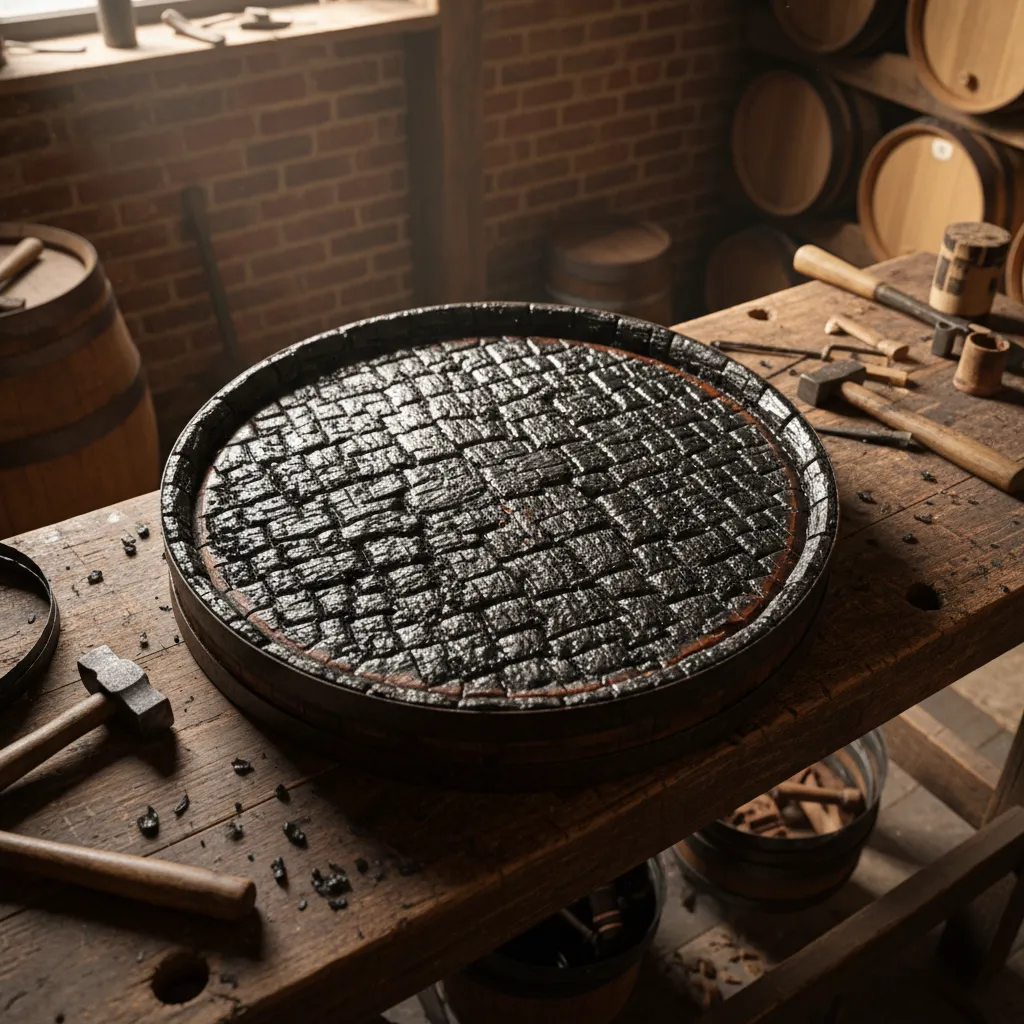
Next time you pick up a bottle, look for these key terms:
- “Kentucky” — Distilled and aged in Kentucky. Not just bottled there.
- “Straight” — Aged at least two years, no additives, no neutral spirits.
- “Bourbon Whiskey” — At least 51% corn, new charred oak barrels, proper proof standards.
- “Bottled in Bond” — An even higher standard: aged at least four years, produced in a single distilling season, at a single distillery, and bottled at exactly 100 proof.
- Age Statement — If present, indicates the youngest whiskey in the bottle. Required by law for any straight bourbon under four years old.
When all three words, “Kentucky Straight Bourbon Whiskey,” appear together, you’re holding a spirit that has met the highest combination of geographic, aging, and purity standards in American whiskey.
Frequently Asked Questions
Does bourbon have to be made in Kentucky?
No. Bourbon can be legally produced anywhere in the United States. However, to put “Kentucky” on the label, the bourbon must be both distilled and aged within the state. Kentucky produces roughly 95% of the world’s bourbon supply, thanks to its ideal climate, limestone water, and deep distilling heritage.
What is the difference between bourbon and straight bourbon?
The main differences are aging time and purity. Straight bourbon must be aged for at least two years and cannot contain any added coloring, flavoring, or neutral spirits. Standard bourbon has no minimum aging period and may contain small amounts of additives if labeled as a blended product.
How long does Kentucky straight bourbon have to age?
A minimum of two years in new, charred oak barrels. If a straight bourbon is aged less than four years, the exact age must be printed on the label. Many premium Kentucky straight bourbons age for four to eight years or longer.
Is Kentucky straight bourbon whiskey the same as “bottled in bond”?
No. Bottled in Bond is an even stricter designation. It requires four years of aging, production in a single distilling season at one distillery, and bottling at exactly 100 proof. All bottled-in-bond bourbons are straight bourbons, but not all straight bourbons are bottled in bond.
Why is Kentucky bourbon considered the best?
Kentucky’s combination of limestone-filtered water, extreme seasonal temperature changes, centuries of distilling expertise, and the largest concentration of bourbon warehouses in the world creates conditions that are exceptionally difficult to replicate elsewhere. The differences become clear when you compare spirits from different regions side by side.

Justin Pakdaman is the Marketing Director for Mary Dowling Whiskey Co., where he leads brand storytelling, digital strategy, and consumer engagement. Justin has years of experience building premium spirits brands.