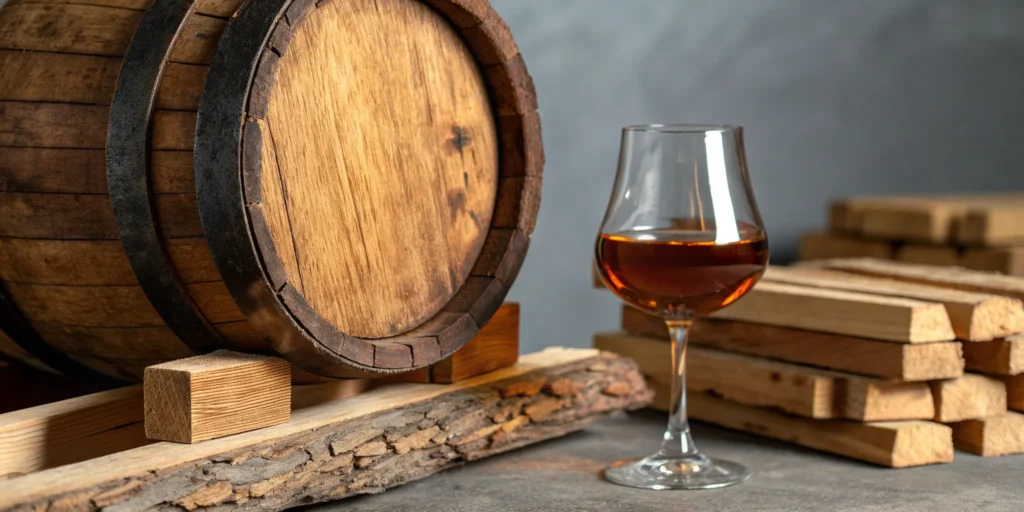
Every great whiskey tells a story, and the barrel it ages in writes a critical chapter. While charring adds a bold, powerful voice, toasting contributes a more poetic and refined narrative. The process is a delicate dance between the cooper and the distiller, a slow, intentional heating that awakens the wood’s sweetest and spiciest notes. Understanding what does toasted barrel mean is like learning a secret language of flavor, one that speaks of vanilla, toffee, and subtle warmth. It’s a technique that embodies the kind of resilience and craft that Mary Dowling herself championed, turning simple ingredients into a legacy of exceptional taste.
Key Takeaways
- Toasting adds sweetness and spice, not smoke: This process uses gentle, controlled heat to caramelize the oak’s natural sugars, creating a smoother whiskey with notes of vanilla and caramel, which is distinct from the intense charring process.
- Look for clues on the label and in the glass: Distillers often label their bottles with terms like “toasted barrel finish.” When tasting, you can identify these whiskeys by their prominent sweet flavors and lack of a heavy, smoky character.
- Start with a neat pour to appreciate the details: The best way to experience the full range of a toasted barrel whiskey’s complex flavors is by sipping it at room temperature. Its refined profile also works beautifully in classic cocktails that highlight the spirit.
What Is a Toasted Barrel?
If you’ve ever wondered what gives certain whiskeys their distinct notes of vanilla, caramel, or warm baking spice, the answer often lies in the barrel. Specifically, it lies in whether that barrel was toasted. A toasted barrel is an oak barrel that has been gently heated over a controlled flame. This process is less intense than charring and is all about coaxing specific flavors from the wood.
Think of it like toasting a marshmallow. A light toast brings out the sweetness, but a heavy char creates a completely different, smokier flavor. Distillers use toasting to achieve a precise flavor profile, turning the barrel into a crucial ingredient rather than just a container. This careful technique is a key step in creating a whiskey with remarkable depth and character, much like our own Mary Dowling whiskeys, which are born from resilience and a refusal to compromise on craft.
The Art of Toasting a Barrel
Toasting is a delicate art that happens at the cooperage, where barrels are made. Coopers carefully heat the interior of a newly assembled oak barrel over a small, open flame. This gentle heating process begins to break down the wood’s complex compounds, caramelizing its natural sugars. The result is the creation of flavor molecules that impart notes of vanilla (from vanillin), toffee, and subtle spice. It’s a nuanced technique that requires a deep understanding of oak and its chemistry. By carefully managing the heat, coopers can draw out a spectrum of flavors, giving the distiller a powerful tool for shaping the final spirit.
Toasted vs. Charred: What’s the Difference?
While both toasting and charring involve fire, they are two very different processes with distinct outcomes. Toasting is a slow, gentle heating that caramelizes the wood sugars just beneath the surface. Charring, on the other hand, involves blasting the barrel’s interior with an intense flame, creating a black, cracked layer of charcoal that looks like alligator skin. This char acts as a natural filter, removing impurities from the whiskey as it ages. While charring often produces bold vanilla and caramel notes, the combination of toasting and charring can create a smoother, more approachable taste by emphasizing sweeter, spicier, and more delicate wood notes.
The Critical Role of Temperature and Time
The magic of toasting lies in the details. Coopers can control the temperature and duration of the toast to create a wide range of flavor profiles, from light to heavy. A light toast might last only a few minutes, bringing out subtle notes of coconut and spice. A longer, heavier toast, which can last up to 45 minutes with temperatures reaching 500 degrees, will develop deeper notes of toffee, coffee, and dark chocolate. This precision allows distillers to select barrels with specific toast levels to achieve their desired whiskey profile. It’s a testament to the craft of barrel making and a critical step in crafting a truly exceptional spirit.
What Flavors Do Toasted Barrels Add to Whiskey?
When a whiskey is aged in a toasted barrel, it’s not just sitting in wood; it’s undergoing a beautiful transformation. The gentle heat applied during the toasting process coaxes a whole symphony of flavors out of the oak, turning the spirit into something truly special. Think of it as the difference between a raw ingredient and a perfectly caramelized dish. This careful process is what gives toasted barrel whiskeys their signature depth and character, layering in notes that range from decadent sweets to subtle spices. It’s a technique that requires patience and precision, but the delicious results are more than worth it.
The interaction between the spirit and the toasted wood is a delicate dance, one that distillers carefully choreograph to achieve a specific, nuanced profile. Unlike the aggressive charring process, which creates a protective layer and imparts bold, smoky notes, toasting is all about subtlety and coaxing out the wood’s inherent character. This method allows for a deeper penetration of the whiskey into the wood, creating a rich and complex spirit that tells a story with every sip. It’s this artistry that makes toasted barrel whiskeys so sought after by enthusiasts looking for a refined and memorable experience.
Sweet Notes of Vanilla, Caramel, and Toffee
One of the most celebrated results of barrel toasting is the rich sweetness it imparts. The process involves gently heating the barrel to caramelize the natural sugars within the wood. This brings forward those warm, comforting flavors we all love: creamy vanilla, buttery caramel, and rich toffee. Unlike the intense flavors from a heavily charred barrel, toasting offers a more delicate and layered sweetness. This is especially true in a double oak process, where the spirit interacts with the toasted wood a second time, deepening those notes. This technique is central to creating the inviting character found in many of our whiskeys.
A Touch of Spice and Complexity
Beyond the sweetness, toasting introduces a wonderful layer of complexity and spice. Because toasting is a slower, more controlled heating process than charring, it brings out a different spectrum of flavors from the oak. You’ll often find notes of cinnamon, clove, and spiced vanilla, which add a pleasant warmth and depth to the whiskey. This nuance is where the distiller’s craft truly shines, as they can fine-tune the toast level to achieve a specific flavor profile. Understanding how toasting affects bourbon flavor is key to creating a spirit that is balanced, intriguing, and anything but one-dimensional.
Creating a Smoother, More Refined Sip
Toasting does more than just add flavor; it also profoundly impacts the whiskey’s texture, leading to a smoother, more refined drinking experience. The gentle heat helps break down the wood’s tannins, which can sometimes contribute a harsh or astringent quality. The result is a softer, rounder mouthfeel that makes the whiskey incredibly sippable. This careful interaction between the spirit and the toasted wood creates a sophisticated profile that is both approachable and complex. It’s a testament to the kind of resilience and refinement that defines Mary’s story, resulting in a whiskey that is both bold and incredibly smooth on the palate.
Why Distillers Choose Toasted Barrels
Choosing to toast a barrel is a deliberate act of craftsmanship. Distillers aren’t just following a recipe; they’re using heat and wood to shape the final character of their spirit. Toasting allows them to move beyond the traditional aging process and introduce specific, desirable flavors with incredible intention. It’s a technique reserved for whiskeys where nuance and complexity are the ultimate goal, turning a good spirit into something truly memorable. This careful process is all about control and creativity, giving distillers a powerful tool to perfect their liquid art.
To Craft a More Refined Flavor Profile
Think of a distiller as a chef and the barrel as a key ingredient. While charring a barrel creates a charcoal filter that refines the spirit, toasting is more like slowly roasting spices to awaken their deepest aromas. The gentle, prolonged heat caramelizes the natural sugars within the oak, coaxing out delicate and complex flavors. This process unlocks those warm, inviting notes of vanilla, caramel, and baking spice that define so many premium bourbons. It’s a method that adds layers of sophistication, creating a smoother, more approachable whiskey without the harsher notes that can sometimes come from a heavily charred barrel. The result is a beautifully balanced and intricate spirit that tells a richer story on the palate.
Gaining Precision Over the Aging Process
Toasting gives distillers an exceptional level of control over the final flavor of their whiskey. Unlike the intense, quick blast of heat used for charring, toasting is a slow, meticulous process. By carefully managing the temperature and duration of the toast, distillers can precisely target which flavor compounds they want to extract from the wood. This controlled extraction ensures the whiskey absorbs all the desirable notes from the toasted barrel without becoming overly tannic or woody. It’s a delicate balancing act that requires skill and patience, allowing master distillers to consistently achieve a specific, intended flavor profile in every single batch. This precision is what separates good whiskey from truly great whiskey.
Perfecting Double Barrel and Finished Whiskeys
Toasted barrels are essential for creating exceptional double barrel and finished whiskeys. In these processes, a whiskey is first aged in a traditional charred oak barrel before being transferred to a second, toasted barrel for a finishing period. This second maturation allows the spirit to interact with the caramelized wood sugars, adding another dimension of flavor. This is where you see those rich vanilla and caramel notes become even more pronounced, layered with a gentle spice that deepens the whiskey’s complexity. It’s a technique that honors tradition while pushing the boundaries of flavor, resulting in some of the most innovative and sought-after spirits on the market, like our own Mary Dowling Toasted Double Oak Barrel Bourbon.
How to Identify a Toasted Barrel Whiskey
Ready to find your next favorite toasted barrel whiskey? It’s easier than you might think once you know the key signals on the bottle and in the glass. Whether you’re browsing the aisles of your local shop or enjoying a tasting flight, a little knowledge goes a long way in helping you pick out these uniquely flavorful spirits. From reading the label to recognizing specific tasting notes, here’s how you can confidently identify a toasted barrel whiskey.
What to Look for on the Label
The most straightforward way to find a toasted barrel whiskey is to simply read the label. Distillers who take the extra step to finish their spirits this way are usually proud to say so. Look for phrases like “toasted barrel,” “toasted oak,” or “toasted barrel finish” printed clearly on the bottle. These terms signal that the whiskey spent time in a second, toasted barrel after its initial aging. As more distilleries explore this technique, you’ll find these whiskeys are becoming a more common sight. For a great example, our own Mary Dowling Toasted Barrel Finish showcases this process right on its label, inviting you to discover the unique character within.
Key Flavors to Notice When Tasting
Beyond the label, the real proof is in the pour. Toasted barrels are known for imparting a distinct and delicious set of flavors that differ from traditionally charred barrels. Because toasting gently caramelizes the sugars in the wood, it tends to create a sweeter, more delicate profile. As you sip, pay attention to prominent notes of vanilla, rich caramel, and warm toffee. You might also detect a layer of gentle baking spices, like cinnamon and nutmeg, without the heavy smoke or charcoal notes associated with a deep char. This process is all about how toasting affects bourbon flavor, adding complexity and creating a remarkably smooth finish.
Double Oaked vs. Toasted: Spotting the Difference
You might see the terms “double oaked” and “toasted” used, and it’s helpful to know they aren’t always interchangeable. Think of it this way: a toasted barrel finish is a specific type of double oaking. The term “double oaked” simply means the whiskey was aged in two separate new oak barrels. That second barrel could be toasted, lightly charred, or even heavily charred. A whiskey labeled specifically with a “toasted barrel finish” tells you the second barrel was heated gently to bring out those sweet, nuanced flavors. This distinction is key for finding the exact profile you enjoy, whether you’re looking for the refined sweetness of a toasted finish or the bolder character from a second char.
Common Toasted Barrel Myths, Debunked
The world of whiskey is full of tradition, but it’s also swirling with a few common misunderstandings. When it comes to toasted barrels, it’s easy to get the facts mixed up. Let’s clear the air and set the record straight on a few myths. Understanding the truth behind the toast will give you a deeper appreciation for the craft and care that goes into every bottle, especially those with unique finishes like our Mary Dowling Tequila Barrel whiskey.
Myth: Toasting Is the Same as Charring
This is probably the most common point of confusion. While both processes involve heat, toasting and charring are completely different techniques with distinct results. Think of toasting as a gentle, slow bake. The inside of the barrel is carefully heated, which helps to caramelize the natural sugars in the wood. This process develops those wonderful notes of vanilla, caramel, and spice. Charring, on the other hand, is a much more intense process that involves setting the inside of the barrel on fire, creating a layer of charcoal. This char acts as a natural filter, removing impurities while adding its own unique flavors.
Myth: It’s a Quick and Simple Process
If you picture toasting as a quick blast of heat, you might be surprised to learn how precise and patient the process really is. Far from being simple, toasting is a craft that requires incredible control over both temperature and time. Depending on the desired flavor profile, a cooper might toast a barrel for anywhere from 10 to 40 minutes. This careful application of heat is what allows distillers to draw out specific, nuanced flavors from the oak. It’s a testament to the skill involved in creating a truly balanced and complex spirit.
Myth: It Only Adds a Smoky Flavor
While charring can impart smoky notes, it’s a mistake to think that’s all toasting does. In fact, the goal of toasting is often the opposite. It’s about adding layers of complexity without the intensity of smoke. Toasting coaxes out a beautiful spectrum of flavors from the wood, from sweet vanilla and toffee to warm baking spices and toasted nuts. This process is all about refinement, creating a smoother, more approachable whiskey. By understanding how toasting affects bourbon flavor, you can better appreciate the delicate balance distillers aim to achieve.
How to Savor Toasted Barrel Whiskeys
Once you have a bottle of toasted barrel whiskey in hand, the real fun begins. Savoring these spirits is all about appreciating the subtle complexity and refined character that the toasting process creates. From the first sip to the last, paying attention to the details will help you get the most out of your tasting experience. Whether you’re enjoying it neat, in a cocktail, or with a meal, here are a few tips to guide you.
How to Taste for Toasted Characteristics
When you’re ready to taste a toasted barrel whiskey, the key is to slow down and pay attention to the layers of flavor. Unlike the more intense notes from a heavy char, toasting is all about nuance. The process gently coaxes out nuanced flavors from the wood, creating a profile that’s rich and complex. As you sip, look for notes of warm vanilla, soft caramel, and maybe a hint of baking spice like cinnamon or nutmeg. You might also notice a distinct sweetness that reminds you of toasted marshmallow or crème brûlée. It’s a softer, more rounded experience that rewards a thoughtful approach.
Ideal Cocktail and Food Pairings
The beauty of a toasted barrel whiskey is its versatility. Its rich, complex character stands up beautifully in classic cocktails. Try it in an Old Fashioned or a Manhattan, where the whiskey’s inherent sweetness and spice can really shine through without getting lost. When it comes to food, think about pairings that complement those warm, sweet notes. Dark chocolate with a high cocoa content is a fantastic match, as are hard, nutty cheeses like aged cheddar or gouda. For a full meal, consider pairing it with smoked or grilled meats, especially those with a slightly sweet glaze. These toasted barrel finished whiskeys add richness without overpowering the dish.
Serving Suggestions for the Perfect Pour
To fully appreciate the craftsmanship of a toasted barrel whiskey, I always recommend trying your first pour neat. Serving it at room temperature without ice or mixers allows you to experience the full spectrum of its sweet oak flavors and smooth finish. This is where you’ll really notice the delicate notes of vanilla and caramel. If you prefer your whiskey chilled, use a single large ice cube or whiskey stone to cool it down with minimal dilution. A few drops of water can also help open up the aroma and soften the alcohol, revealing even more complexity. Start neat, then experiment to find what you enjoy most with a bottle like our Mary Dowling Double Oak Barrel.
Related Articles
Frequently Asked Questions
What’s the real difference between a toasted and a charred barrel? Think of it like cooking. Toasting is a slow, gentle heat, similar to roasting something in an oven to bring out its natural sweetness. Charring is a fast, intense flame, like searing something on a grill. Toasting caramelizes the wood’s sugars to create delicate notes of vanilla and spice, while charring creates a layer of charcoal that filters the whiskey and adds bolder, sometimes smokier, flavors.
Does “toasted barrel” just mean the whiskey will taste smoky? Not at all, it’s actually quite the opposite. The smoky, charcoal notes people often associate with whiskey come from a heavily charred barrel. Toasting is a much more delicate process designed to coax out sweeter flavors from the wood. When you taste a toasted barrel whiskey, you should expect warm notes of caramel, vanilla, toffee, and baking spice, not smoke.
Is a “double oaked” whiskey the same as a “toasted barrel” whiskey? They aren’t exactly the same, but they are related. “Double oaked” is a broad term that means a whiskey was aged in two separate new oak barrels. A “toasted barrel finish” is a specific type of double oaking where that second barrel was toasted. So, while all toasted barrel finished whiskeys are double oaked, not all double oaked whiskeys use a toasted barrel for their second maturation.
Why do distillers use this extra toasting step? Distillers choose to toast barrels when they want to craft a whiskey with exceptional smoothness and specific layers of flavor. This technique gives them incredible control, allowing them to add refined notes of vanilla, caramel, and spice with great precision. It’s an intentional step taken to create a more complex and approachable spirit that stands out from those aged only in standard charred barrels.
What’s the best way to enjoy a toasted barrel whiskey for the first time? To truly appreciate the craft, I suggest trying your first pour neat in a proper glass. This allows you to experience the full aroma and flavor profile without any dilution. Give it a swirl and notice the sweet, warm notes. After your first few sips, feel free to add a single large ice cube or a few drops of water, which can soften the spirit and reveal even more subtle complexities.

Justin Pakdaman is the Marketing Director for Mary Dowling Whiskey Co., where he leads brand storytelling, digital strategy, and consumer engagement. Justin has years of experience building premium spirits brands.