Walk into any well-stocked bar or bourbon aisle and the choices can feel overwhelming. You’ll see labels mentioning wheated, high-rye, cask strength, single barrel, double oak, and a dozen other terms that all fall under one umbrella: bourbon. The truth is, while every bourbon must follow the same core rules, the differences in grain, barrel treatment, and proof create a stunning range of styles, each with its own personality. This guide to the different types of bourbon will help you understand what sets each one apart, so you can find the bottles that match your palate, whether you’re building a home bar or expanding your collection.
Key Takeaways
- The mash bill is the starting point: The choice of flavoring grain, whether wheat or rye, is the single biggest factor in defining a bourbon’s style. Understanding this one detail will immediately make you a more informed buyer.
- Barrel treatment and proof tell the rest of the story: Beyond the grain, how a bourbon is aged, what kind of barrel it meets, and the proof at which it’s bottled create entirely different drinking experiences, from smooth and approachable to bold and intense.
- There’s a bourbon style for every occasion: From a gentle, sippable wheated bourbon to a full-throttle barrel proof expression, knowing the categories helps you pick the right bottle for the right moment.
What Defines Bourbon in the First Place?
Before we explore the many styles, it helps to know the ground rules. By U.S. law, bourbon must be made from a grain mixture that is at least 51% corn, distilled to no more than 160 proof, entered into the barrel at no more than 125 proof, and aged in new, charred oak barrels. There are no minimum aging requirements for straight bourbon under four years to carry a label (though it must state its age), and it must be bottled at a minimum of 80 proof.
Within these rules, distillers have enormous creative freedom. The remaining 49% of the grain bill, the char level, the warehouse placement, the aging time, the proof at bottling, and any secondary barrel finishing all combine to create the wide spectrum of styles you’ll find on the shelf today. That spectrum is what makes bourbon one of the most diverse and exciting spirits categories in the world.
Types of Bourbon by Mash Bill
The mash bill, the recipe of grains used in production, is the foundation of every bourbon’s flavor profile. The choice of “flavoring grain” alongside the required corn majority creates two broad families of bourbon, plus a traditional middle ground.
Wheated Bourbon
A wheated bourbon replaces the more common rye grain with wheat as its secondary flavoring grain. The result is a softer, rounder spirit with a gentler character. Where rye adds spice and bite, wheat contributes a smoother, sweeter profile with notes of honey, vanilla, caramel, and baked bread. Wheated bourbons are often praised for their approachability and are an excellent entry point for anyone new to the category.
Mary Dowling Winter Wheat Bourbon is a standout example. Built on a wheated mash bill and finished in hand-toasted barrels from Kelvin Cooperage, it delivers layers of warm vanilla, soft caramel, and a gentle sweetness that’s perfect for sipping neat or mixing into a classic cocktail. For a deep comparison, read our guide on wheated bourbon vs. bourbon.
High-Rye Bourbon
On the other end of the spectrum, a high-rye bourbon uses a larger-than-average proportion of rye grain in its mash bill, typically 20% or more. This style delivers bolder, spicier flavors: think black pepper, cinnamon, dried fruit, and a noticeable kick on the finish. High-rye bourbons tend to be more assertive and are favorites among whiskey drinkers who enjoy complexity and heat.
Mary Dowling Tequila Barrel Finish starts with a high-rye mash bill, giving it that characteristic spice, then adds an unexpected twist with a secondary maturation in reposado tequila barrels. The result is a bourbon that bridges two spirits traditions, inspired by Mary Dowling’s own distillery in Juárez during Prohibition.
Traditional Bourbon
The majority of bourbons on the market fall into the “traditional” category, using a standard proportion of rye (typically 8% to 15%) alongside corn and malted barley. These are the all-rounders: balanced, versatile, with a mix of corn sweetness and rye spice that works beautifully in an Old Fashioned, a Mint Julep, or neat in a rocks glass. If a label doesn’t specifically call out “wheated” or “high-rye,” you’re likely looking at a traditional mash bill.
Types of Bourbon by Barrel Treatment
If the mash bill sets the foundation, the barrel is where bourbon truly develops its character. Distillers today use a variety of barrel techniques to create distinct flavor profiles.
Toasted Barrel Bourbon
A toasted barrel bourbon involves aging or finishing the whiskey in barrels that have been toasted (heated slowly at a lower temperature) rather than, or in addition to, being charred. Toasting coaxes out different compounds from the oak, emphasizing sweeter, more dessert-like flavors: brown sugar, toasted marshmallow, warm spice, and baking spices. It’s a technique that rewards patience and produces a remarkably smooth dram.
Mary Dowling Winter Wheat uses this exact process, with hand-toasted barrels that amplify the wheated bourbon’s natural sweetness. Learn more about what sets this barrel treatment apart in our guide to the best toasted barrel bourbons.
Double Oak Bourbon
Double oaking means the bourbon is aged in its original new charred oak barrel and then transferred to a second new barrel for additional maturation. This second barrel intensifies the core bourbon characteristics, delivering richer caramel, deeper vanilla, more pronounced oak tannins, and a fuller body. It’s a process that demands extra time and cooperage, but the payoff is a remarkably complex whiskey.
Mary Dowling Double Oak Cask Strength is crafted using two different Kelvin Cooperage barrels, producing a bold, layered bourbon with exceptional depth. If you’re curious about the process, explore what makes double oak bourbon unique.
Barrel-Finished Bourbon
Barrel finishing involves aging fully matured bourbon in a secondary barrel that previously held a different spirit, such as port, sherry, rum, or tequila. This adds new flavor dimensions that don’t exist in standard bourbon. A tequila barrel finish, for instance, can introduce herbal agave notes and a subtle earthiness.
Mary Dowling Tequila Barrel Finish is a prime example of this style, spending additional time in reposado tequila casks. The result is a genuinely unique bourbon that blends the warmth of American whiskey with the character of Mexican agave spirits, a tribute to the crossover between bourbon and tequila traditions.
Types of Bourbon by Proof and Selection
How a bourbon is bottled, and what goes into the bottle, defines another layer of categorization that’s critical for understanding what you’re drinking.
Cask Strength / Barrel Proof Bourbon
Cask strength (also called barrel proof) bourbon is bottled directly from the barrel with little to no water added to reduce the proof. This means the whiskey reaches your glass exactly as the distiller intended, often in the range of 110 to 140 proof. The higher alcohol content carries more intense, concentrated flavors. It’s a style that rewards patience: a few drops of water can open up an entirely new profile.
Mary Dowling Double Oak Cask Strength is bottled at barrel strength, delivering the full intensity of its double-barrel aging process. For more on this style, read our guide to understanding cask strength bourbon and learn how to drink cask strength bourbon.
Single Barrel Bourbon
A single barrel bourbon comes from one individual barrel rather than being blended from multiple barrels. Because every barrel ages differently depending on its position in the warehouse, the wood grain, and ambient conditions, each single barrel release is unique. This makes them prized by collectors and enthusiasts who enjoy comparing barrel-to-barrel variations.
Mary Dowling offers a Single Barrel Program featuring hand-selected cask strength releases available through select partners. Each barrel is chosen for its exceptional character. Discover the differences in our article on double barrel vs. single barrel bourbon.
Small Batch Bourbon
Small batch bourbon is created by blending a select number of barrels, typically chosen for their complementary flavor profiles. While there’s no legal definition for the exact number of barrels, the intent is a more curated, consistent product compared to a standard production run. Small batch releases often represent a distiller’s best work, balancing the uniqueness of individual barrels with the art of blending.
Bottled-in-Bond Bourbon
Bottled-in-Bond is one of bourbon’s oldest and most respected designations, governed by the Bottled-in-Bond Act of 1897. To carry this label, a bourbon must be the product of one distillation season at one distillery by one distiller, aged for a minimum of four years in a federally bonded warehouse, and bottled at exactly 100 proof. It’s essentially a government guarantee of quality and transparency, and BiB bourbons have seen a major resurgence in popularity.
Bourbon Style Comparison Table
| Bourbon Style | Key Defining Feature | Typical Flavor Profile | Best For | Mary Dowling Example |
|---|---|---|---|---|
| Wheated Bourbon | Wheat replaces rye in mash bill | Soft, sweet, honey, vanilla, caramel | Sipping neat, approachable cocktails | Winter Wheat |
| High-Rye Bourbon | Higher rye percentage (20%+) | Spicy, peppery, bold, dried fruit | Spirit-forward cocktails, adventurous sipping | Tequila Barrel Finish |
| Traditional Bourbon | Standard rye proportion (8-15%) | Balanced corn sweetness and rye spice | All-purpose: neat, on ice, in cocktails | — |
| Toasted Barrel | Aged/finished in toasted (not just charred) barrels | Brown sugar, toasted marshmallow, baking spice | Dessert pairings, neat sipping | Winter Wheat (toasted barrel finish) |
| Double Oak | Aged in two separate new oak barrels | Rich caramel, deep vanilla, intense oak | Savoring neat, premium cocktails | Double Oak Cask Strength |
| Barrel Finished | Secondary aging in non-bourbon barrels | Varies by finish (tequila, port, sherry, etc.) | Exploring new flavor dimensions | Tequila Barrel Finish |
| Cask Strength | Bottled at barrel proof, no dilution | Intense, concentrated, full-bodied | Experienced sippers, adding water to taste | Double Oak Cask Strength |
| Single Barrel | From one individual barrel | Unique per barrel, often complex | Collectors, barrel-to-barrel comparisons | Single Barrel Program |
| Small Batch | Blended from a select few barrels | Curated, balanced, consistent | Reliable everyday pours | — |
| Bottled-in-Bond | 100 proof, 4+ years, one distillery/season | Robust, well-structured, honest | Value-seekers, cocktail enthusiasts | — |
How to Choose the Right Type of Bourbon for You
With so many styles to explore, finding your preferred bourbon doesn’t have to be complicated. Start by thinking about what you enjoy in a spirit:
- If you prefer smooth and sweet: Start with a wheated bourbon. The soft, honeyed character of a wheated expression like Mary Dowling Winter Wheat is one of the most approachable styles in the category.
- If you like bold and spicy: A high-rye bourbon will deliver the complexity and kick you’re after. Mary Dowling Tequila Barrel Finish adds an even more adventurous twist.
- If you want maximum intensity: Reach for a cask strength bourbon. Sip it neat first, then experiment with a few drops of water to unlock hidden layers.
- If you’re looking for something unique: Barrel-finished bourbons offer flavors you simply can’t get from standard aging. A tequila barrel finish or a port cask finish opens up entirely new territory.
- If you value transparency and quality guarantees: Bottled-in-Bond expressions give you a legally backed promise of production standards and a robust 100-proof pour.
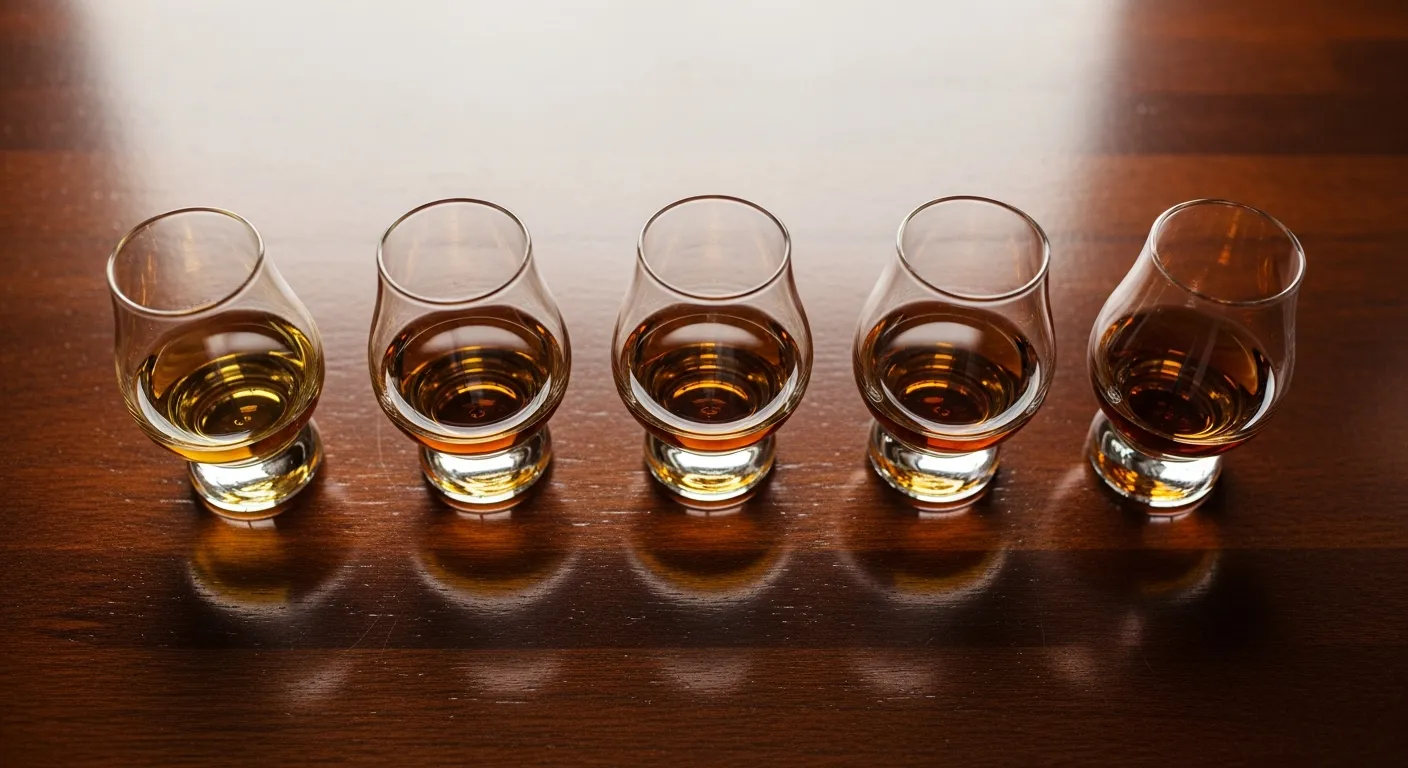
The best approach is to try a range of styles side by side. A tasting flight that includes a wheated, a high-rye, a cask strength, and a finished bourbon will teach you more about your preferences in one evening than months of random purchases.
Explore Mary Dowling’s Range of Bourbon Styles
Mary Dowling Whiskey Co. offers a collection that spans several of these categories, all unified by exceptional craftsmanship and the pioneering spirit of the woman who earned the title “Mother of Bourbon.” From the gentle, toasted elegance of the Winter Wheat to the bold intensity of the Double Oak Cask Strength and the boundary-pushing character of the Tequila Barrel Finish, there’s a Mary Dowling expression for every palate and every occasion. Discover the full story in The Mother of Bourbon book.
Explore the full Mary Dowling Bourbon collection or order online to start your own tasting journey through the many types of bourbon.
Frequently Asked Questions
What are the main types of bourbon?
The main types of bourbon are categorized by their mash bill (wheated, high-rye, traditional), barrel treatment (toasted barrel, double oak, barrel-finished), and proof/selection method (cask strength, single barrel, small batch, bottled-in-bond). Each category creates a distinct flavor profile and drinking experience.
What is the smoothest type of bourbon?
Wheated bourbons are generally considered the smoothest style. By replacing rye with wheat in the mash bill, they produce a softer, gentler spirit with sweet notes of honey and vanilla. Bourbons finished in toasted barrels, like Mary Dowling Winter Wheat, add an extra layer of smoothness.
What does double oak bourbon mean?
Double oak bourbon is aged in two separate new charred oak barrels. The bourbon matures in its first barrel, then is transferred to a second new barrel for additional aging. This intensifies classic bourbon flavors like caramel, vanilla, and oak spice. Learn more about what makes double oak bourbon unique.
Is cask strength bourbon the same as barrel proof?
Yes, cask strength and barrel proof are essentially interchangeable terms. Both mean the bourbon is bottled at the proof it came out of the barrel, with no water added to reduce the alcohol content. Read our detailed comparison of cask strength vs. barrel proof.
What is bottled-in-bond bourbon?
Bottled-in-Bond is a legal designation under the Bottled-in-Bond Act of 1897. It requires bourbon to be produced in one distillation season, at one distillery, by one distiller, aged at least four years in a government-bonded warehouse, and bottled at exactly 100 proof. It’s widely considered a mark of quality and transparency.

Justin Pakdaman is the Marketing Director for Mary Dowling Whiskey Co., where he leads brand storytelling, digital strategy, and consumer engagement. Justin has years of experience building premium spirits brands.