Key Takeaways
- Start with your senses, not a rulebook: The best way to drink bourbon is whatever way you enjoy it most. Begin by nosing the glass, taking small sips, and paying attention to the flavors that stand out to you.
- Four classic methods cover every situation: Drinking bourbon neat reveals its full character, adding ice or water opens up different flavors, and mixing it into a cocktail creates an entirely new experience. Master these four approaches and you can confidently enjoy bourbon anywhere.
- Your glass matters more than you think: A tulip-shaped Glencairn glass concentrates the aromas and transforms a simple drink into a tasting experience. The right glassware is one of the easiest upgrades any bourbon newcomer can make.
Why Learning How to Drink Bourbon Matters
Bourbon is more than just a spirit you pour and knock back. It’s a centuries-old craft with an incredibly rich history, born from American ingenuity, rebellion, and resilience. Every bottle tells a story of the grains, the water, the barrel, and the people who made it. When you take the time to learn how to drink bourbon properly, you’re not following a set of stuffy rules; you’re giving yourself the tools to actually enjoy what’s in your glass.
Think of it this way: you can listen to music through your phone speaker, and it’s fine. But put on a good pair of headphones, and suddenly you hear layers you never noticed before. Learning to drink bourbon is the same idea. A few simple techniques can unlock flavors and aromas that would otherwise pass you by. This guide will walk you through everything from the basics of nosing and tasting to the four main ways people enjoy bourbon, so you can find your own preferred style with confidence.
The Four Ways to Drink Bourbon
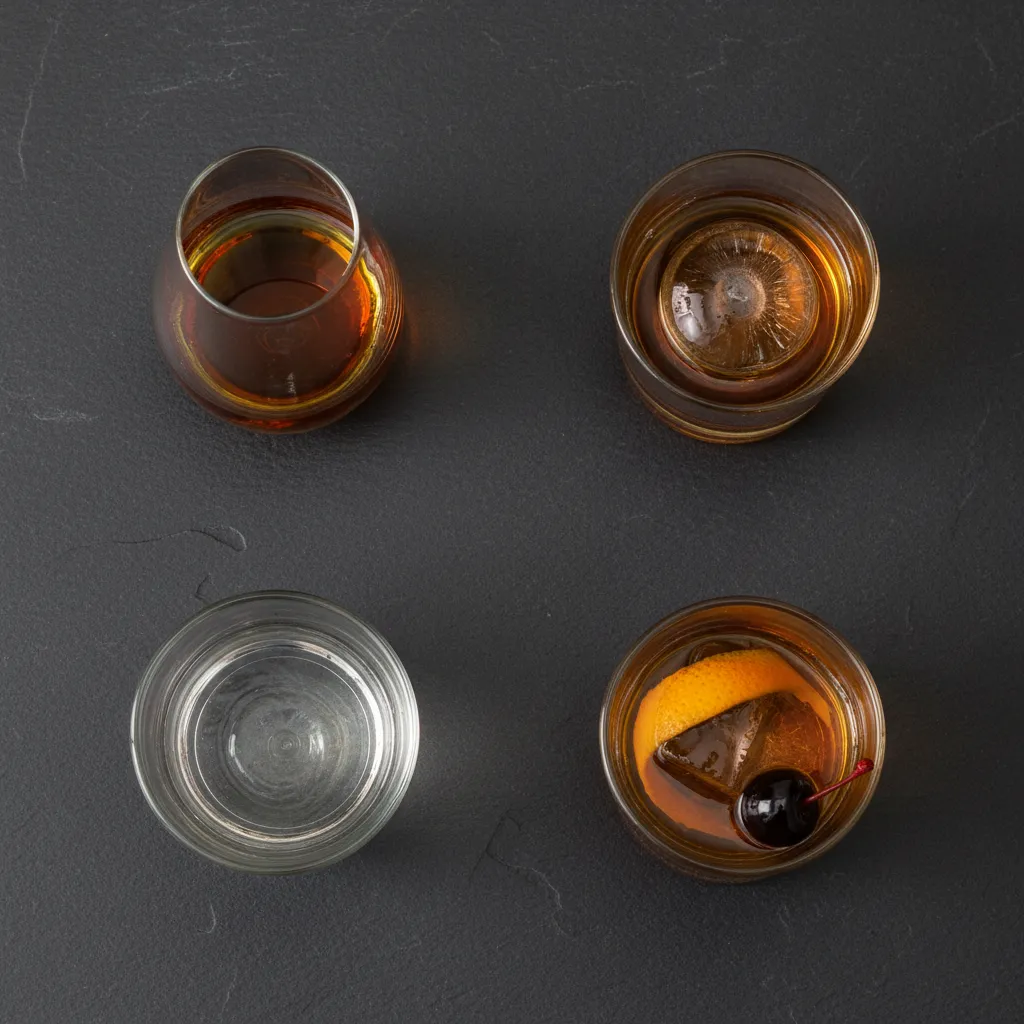
There’s no single “correct” way to drink bourbon. The beauty of this spirit is its versatility. Whether you’re savoring it at room temperature or shaking it into a cocktail, each method brings out different aspects of the whiskey’s character. Here are the four classic approaches every bourbon drinker should know.
Neat: The Purest Experience
Drinking bourbon neat means pouring it straight into a glass at room temperature with nothing added. No ice, no water, no mixers. This is how distillers taste their own product, and it’s the best way to experience bourbon’s full, unaltered character. You’ll get the complete range of flavors the distiller intended, from the sweetness of the corn to the warmth of the barrel.
If you’re new to sipping neat, start with a bourbon that’s approachable in proof and flavor. A wheated bourbon like Mary Dowling Winter Wheat is an excellent starting point. The wheat in the mash bill creates a softer, gentler profile with notes of vanilla and caramel, without the sharp bite that higher-rye recipes can have. Pour about an ounce and a half, let it sit for a minute, and take your time.
On the Rocks: Chilled and Mellow
Adding ice to bourbon is one of the most popular ways to enjoy it, especially on a warm evening. The cold temperature tames any alcohol heat and can make higher-proof bourbons much more approachable. As the ice slowly melts, it also introduces a small amount of water that subtly opens up the whiskey’s flavor profile over time.
The key is to use the right ice. A single large ice cube or ice sphere melts much slower than a handful of small cubes, so your bourbon stays cold without becoming diluted too quickly. This is an ideal method if you’re enjoying a cask strength bourbon like Mary Dowling Double Oak Cask Strength, where the ice helps manage the higher proof while still letting the bold, complex flavors shine through.
With a Splash of Water
Adding a few drops of room-temperature water to your bourbon is a technique used by professional tasters around the world, and it’s far from a compromise. Water lowers the alcohol concentration just enough to release volatile aroma compounds that are otherwise locked up. In other words, a little water can actually make your bourbon smell and taste more complex, not less.
Start with just a few drops from a small pipette or straw, taste, and add more if you like. The goal is to find your personal sweet spot where the flavors bloom without the spirit becoming too thin. This method is particularly useful when you’re trying to compare bourbons side by side, as it levels the playing field between different proofs and lets you focus on the underlying flavor differences.
In a Cocktail: Bourbon as a Base
Bourbon is one of the world’s great cocktail spirits. Its natural sweetness, vanilla notes, and warm spice make it an incredibly versatile base for everything from a classic Old Fashioned to a refreshing Whiskey Sour. If you’re new to bourbon and find sipping it straight a bit intense, cocktails are a fantastic entry point. They let you appreciate the whiskey’s character while the other ingredients soften the edges.
A few timeless bourbon cocktails to explore:
- Old Fashioned: Bourbon, sugar, bitters, and an orange peel. The original cocktail and still one of the best.
- Manhattan: Bourbon, sweet vermouth, and bitters. Elegant and spirit-forward.
- Whiskey Sour: Bourbon, lemon juice, and simple syrup. Bright, balanced, and endlessly refreshing.
- Bourbon Smash: Bourbon muddled with fresh lemon and mint. A perfect warm-weather sipper.
For a deeper dive into what pairs well with bourbon, explore our full bourbon cocktail recipes collection.
How to Nose and Taste Bourbon Like a Pro
Before you take your first sip, there’s an essential step most beginners skip: nosing. Your sense of smell accounts for a huge portion of what you perceive as flavor, so learning to nose bourbon properly can completely transform your drinking experience. It’s a simple practice that takes seconds but makes a world of difference.
Step 1: Look at the Color
Hold your glass up to the light and observe the bourbon’s color. The hue tells you a lot about what’s in the glass before you even smell it. A lighter gold suggests a younger, lighter spirit, while a deeper amber or mahogany often indicates longer aging and more barrel influence. You might also notice “legs” or “tears” running down the inside of the glass after swirling, which gives you a sense of the bourbon’s viscosity and proof.
Step 2: Nose with Your Mouth Open
Here’s a trick that separates casual drinkers from thoughtful tasters: nose your bourbon with your mouth slightly open. This prevents the alcohol vapors from overwhelming your nostrils and lets you pick up the subtler aromas underneath. Bring the glass to your nose gently; don’t shove your nose into the glass. Start from a distance and slowly move closer. You might detect vanilla, caramel, dried fruit, baking spices, or even floral notes depending on the bourbon.
Step 3: Take a Small First Sip
Your first sip should be small. Its job is to acclimate your palate to the alcohol, not to deliver the full tasting experience. Let it coat your tongue and swallow. This “primer” sip wakes up your taste buds and prepares them for the flavors to come. Don’t judge the bourbon on this sip alone.
Step 4: The Kentucky Chew
On your second and subsequent sips, try the “Kentucky Chew.” Take a slightly larger sip and gently chew the bourbon, moving it around your entire mouth. This coats all the different taste receptor zones on your tongue, letting you pick up sweetness on the tip, bitterness at the back, and everything in between. It’s a technique used by master distillers in Kentucky for generations, and it’s the best way to fully experience the bourbon’s flavor profile.
Step 5: Notice the Finish
After you swallow, pay attention to the “finish,” which is the flavor and sensation that lingers in your mouth. A great bourbon will have a long, evolving finish that might start with sweetness and transition into warm spice or oak. A short finish tends to indicate a simpler whiskey, while a long, complex finish is the hallmark of a well-crafted spirit. The finish is where you often discover flavors you didn’t notice on the initial taste.
Choosing the Right Glassware
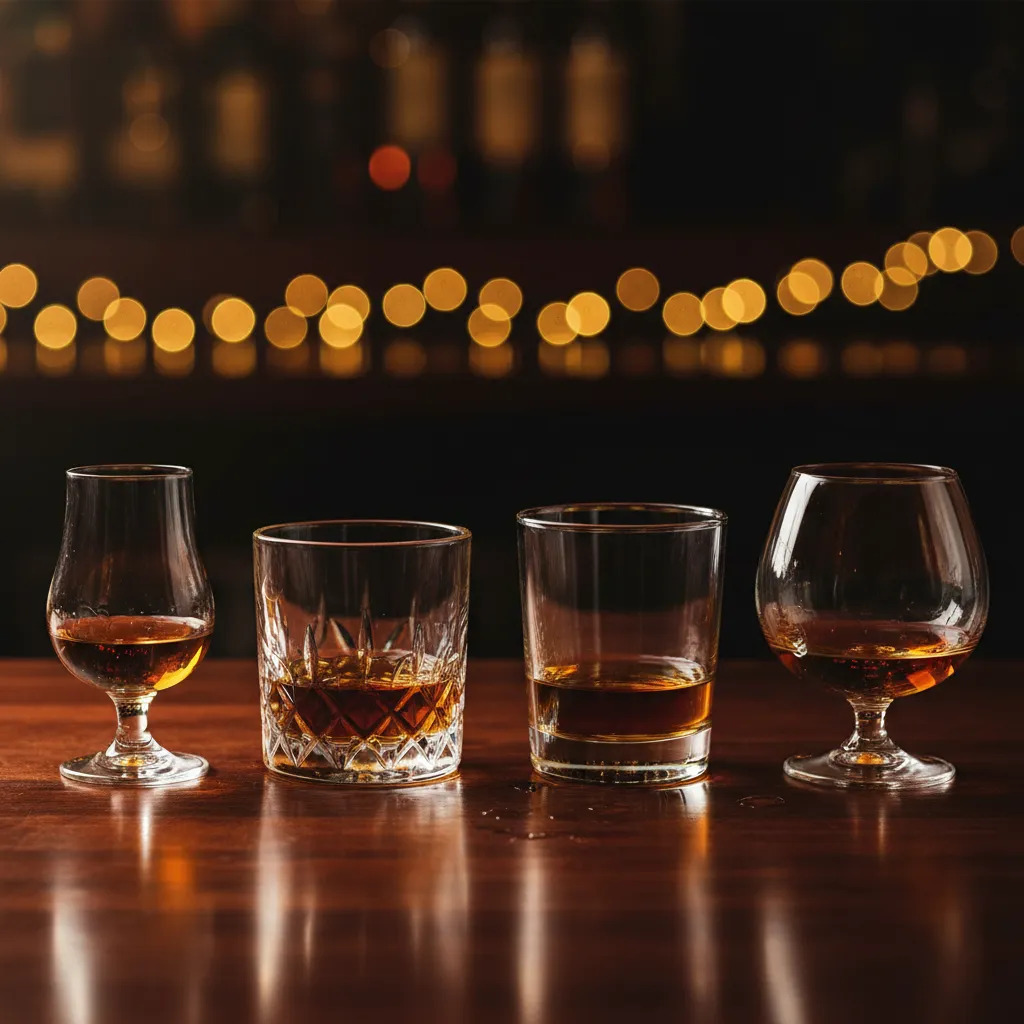
The glass you drink from has a real, measurable impact on your bourbon experience. It’s not just about aesthetics. The shape of the glass affects how the aromas are concentrated and delivered to your nose, which directly influences what you taste. Here’s a breakdown of the most popular options.
The Glencairn Glass
This is the gold standard for bourbon tasting. Its wide bowl allows you to swirl the bourbon and develop aromas, while the tapered rim focuses those aromas directly to your nose. If you’re serious about learning to taste and appreciate bourbon, a Glencairn is the single best investment you can make. It’s also sturdy and comfortable to hold, making it equally practical for everyday use.
The Rocks Glass (Old Fashioned Glass)
The classic rocks glass, also known as a lowball or Old Fashioned glass, is the most recognizable whiskey glass. Its wide opening makes it perfect for bourbon on the rocks or cocktails, where you need room for ice and garnishes. It’s not ideal for nosing since the wide rim disperses aromas, but for casual enjoyment and mixed drinks, it’s the go-to choice.
The Tumbler
A straight-sided tumbler is the workhorse of bourbon drinking. Versatile and no-nonsense, it works well for any serving style. Many people reach for a tumbler by default, and there’s nothing wrong with that. It’s a perfectly good glass for everyday bourbon drinking, even if it doesn’t concentrate aromas the way a Glencairn does.
The Snifter
Traditionally associated with brandy, a snifter also works beautifully for bourbon. The large bowl and narrow rim create an even more concentrated aromatic experience than the Glencairn. Some tasters find it almost too concentrated for high-proof bourbons, but for standard-proof pours, it offers a rich, immersive nosing experience.
Temperature and Its Effect on Flavor
Temperature plays a bigger role in bourbon enjoyment than most people realize. The same bourbon can taste remarkably different depending on whether it’s at room temperature, slightly chilled, or ice cold.
- Room temperature (65-70°F): This is the ideal temperature for tasting bourbon neat. At this range, all the volatile aromatic compounds are active, giving you the fullest expression of flavor and aroma.
- Slightly chilled (55-65°F): A small ice cube or a brief stint in the freezer brings the bourbon to this range. The cold softens the alcohol burn and can make the sweetness more prominent, though you’ll lose some of the top-end aromatics.
- Ice cold (below 50°F): Heavy ice or extended chilling brings the bourbon to this point. The cold suppresses most of the alcohol heat and makes the bourbon extremely smooth, but it also mutes many of the complex flavors and aromas. Best reserved for casual drinking rather than focused tasting.
The takeaway? Start at room temperature to get the full picture, then experiment with ice and water to see how the flavor changes. There’s no wrong answer, just different experiences.
The Best Bourbons for Beginners
If you’re just starting your bourbon journey, the sheer number of options on the shelf can feel overwhelming. Here’s what to look for in a beginner-friendly bourbon, along with some recommendations to get you started.
What to Look for in a Starter Bourbon
- Proof range of 80-100: Lower proof means less alcohol heat, making it easier to taste the underlying flavors without your palate being overwhelmed.
- Wheated mash bills: Bourbons made with wheat as the secondary grain (instead of rye) tend to be softer, sweeter, and more approachable for new drinkers.
- 4+ years of aging: A bourbon with some time in the barrel will have developed enough complexity to be interesting without the rough edges of younger spirits.
Mary Dowling Winter Wheat Bourbon
For a first bourbon experience, it’s hard to beat Mary Dowling Winter Wheat Bourbon. It’s a wheated bourbon aged in hand-toasted barrels from Kelvin Cooperage, which gives it a remarkably smooth, sweet profile with notes of vanilla, honey, and warm baking spices. The toasted barrels add a layer of complexity that’s unusual at this price point, making it both approachable for beginners and interesting enough for experienced sippers. Named after the Mother of Bourbon, every bottle honors a legacy of craftsmanship and defiance. It’s excellent neat, with a splash of water, or as the base for an Old Fashioned.
For the More Adventurous: Mary Dowling Double Oak Cask Strength
Once you’ve developed your palate and are ready for something bolder, Mary Dowling Double Oak Cask Strength delivers an intense, layered experience. Aged in two different Kelvin Cooperage barrels and bottled at cask strength, it’s packed with deep notes of dark chocolate, toasted oak, and rich caramel. Try it with a splash of water to open up the full complexity, or pour it over a large ice sphere for a slow, evolving tasting session. It’s a bourbon that rewards patience and attention.
Common Beginner Mistakes to Avoid
Everyone makes these at first. Knowing about them in advance puts you ahead of the curve.
- Judging bourbon on the first sip. Your first sip is always going to taste like alcohol because your palate hasn’t adjusted yet. Give it two or three sips before forming an opinion.
- Sticking your nose deep into the glass. Your nostrils will get blasted with alcohol vapor, and you won’t smell anything useful. Keep the glass a few inches from your nose and work your way closer.
- Thinking “neat” is the only legitimate way. Bourbon snobbery is real, but it’s also wrong. If you enjoy bourbon on the rocks or in a cocktail, that’s a perfectly valid way to drink it. The best bourbon is the one you enjoy.
- Starting with cask strength. High-proof bourbons are incredible, but they can be overwhelming for new palates. Work up to them gradually. Start with something in the 80-100 proof range and explore from there.
- Rushing through the glass. Bourbon is designed to be sipped slowly. Take your time, notice how the flavors change from the first sip to the last, and enjoy the process of discovery.
Frequently Asked Questions
What is the best way to drink bourbon for the first time?
Start with a small pour of a lower-proof, smooth wheated bourbon in a Glencairn glass. Try it neat first, then add a few drops of water if the alcohol is too intense. This gives you the most complete picture of the bourbon’s character while keeping things approachable.
Should you add ice to bourbon?
Absolutely. Adding ice is a perfectly legitimate way to enjoy bourbon, and many experienced drinkers prefer it. Use a single large ice cube or sphere to keep dilution slow. Ice softens the alcohol heat and can bring out the sweeter, more mellow side of a bourbon’s flavor profile.
What does “neat” mean when ordering bourbon?
Ordering bourbon “neat” means you want it poured straight into a glass at room temperature with nothing added: no ice, no water, no mixers. It’s the simplest and purest way to experience the spirit exactly as the distiller crafted it.
Does the type of glass really matter for bourbon?
Yes, it makes a noticeable difference. A tulip-shaped glass like the Glencairn concentrates the bourbon’s aromas at the rim, allowing you to pick up subtle notes you’d miss in a wide-mouthed glass. For casual drinking, any glass works fine, but for tasting and appreciation, the right glassware elevates the experience significantly.
Is bourbon better warm or cold?
Room temperature (around 65-70°F) is best for tasting because all the aromatic compounds are active and the full flavor profile is on display. Chilling bourbon with ice makes it smoother and more mellow but mutes some of the more complex aromas. Neither is better, as it depends on whether you’re in tasting mode or relaxation mode.
What is a good mixer for bourbon?
Classic bourbon mixers include ginger ale, ginger beer, cola, lemonade, and simple syrup with citrus. For cocktails, bourbon pairs beautifully with sweet vermouth (Manhattan), bitters and sugar (Old Fashioned), or fresh lemon juice (Whiskey Sour). Check out our complete bourbon cocktail recipes for more ideas.

Justin Pakdaman is the Marketing Director for Mary Dowling Whiskey Co., where he leads brand storytelling, digital strategy, and consumer engagement. Justin has years of experience building premium spirits brands.