Why Kentucky Is the Heartland of Bourbon
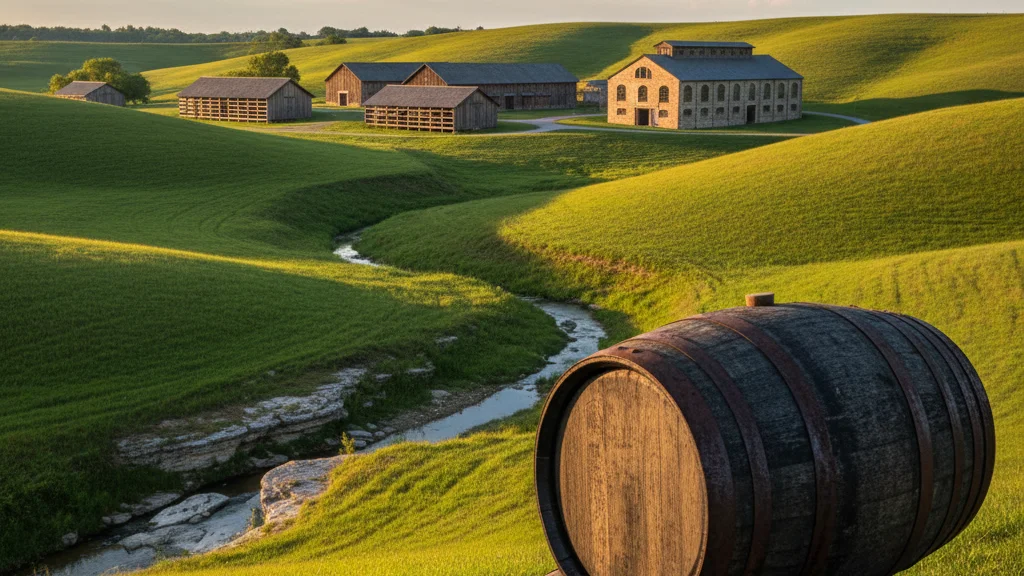
Kentucky bourbon is not just a category of whiskey. It is the product of a specific place, shaped by geology, climate, craftsmanship, and over two centuries of distilling tradition. Approximately 95% of the world’s bourbon supply comes from the Commonwealth of Kentucky, according to the Kentucky Distillers’ Association, and there are concrete reasons why no other state has come close to matching that dominance.
This guide explains what makes Kentucky bourbon special, why the state’s natural advantages matter, and how to navigate the Kentucky bourbon landscape as a drinker or collector.
What Gives Kentucky Its Bourbon Advantage?
Kentucky did not become bourbon’s capital by accident. Four natural and historical factors converge here in a way they do nowhere else on earth.
Limestone-Filtered Water
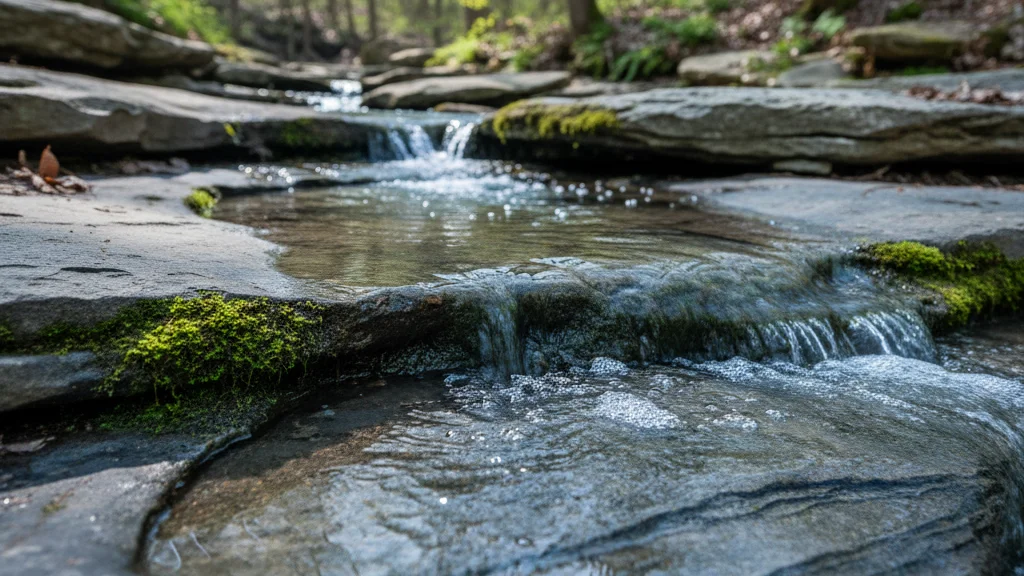
Kentucky sits on one of the largest limestone shelves in North America. As groundwater percolates through this ancient rock, the limestone acts as a natural filter: it strips out iron, which can discolor whiskey and produce harsh, metallic off-flavors, while adding calcium and magnesium. The result is mineral-rich, iron-free water that creates a cleaner fermentation and a sweeter, smoother spirit from the very first step of the distilling process.
This is not a minor detail. Water makes up the majority of the mash, and its mineral content directly influences yeast activity and flavor development. Every major Kentucky distillery, from the iconic names along the Kentucky Bourbon Trail to small craft operations, relies on this same geological gift.
Dramatic Seasonal Temperature Swings
Kentucky’s climate is perfectly suited for aging bourbon. Summers are hot and humid, with temperatures regularly climbing above 90°F. Winters are cold, often dropping below freezing. This dramatic swing is the engine behind bourbon’s flavor development.
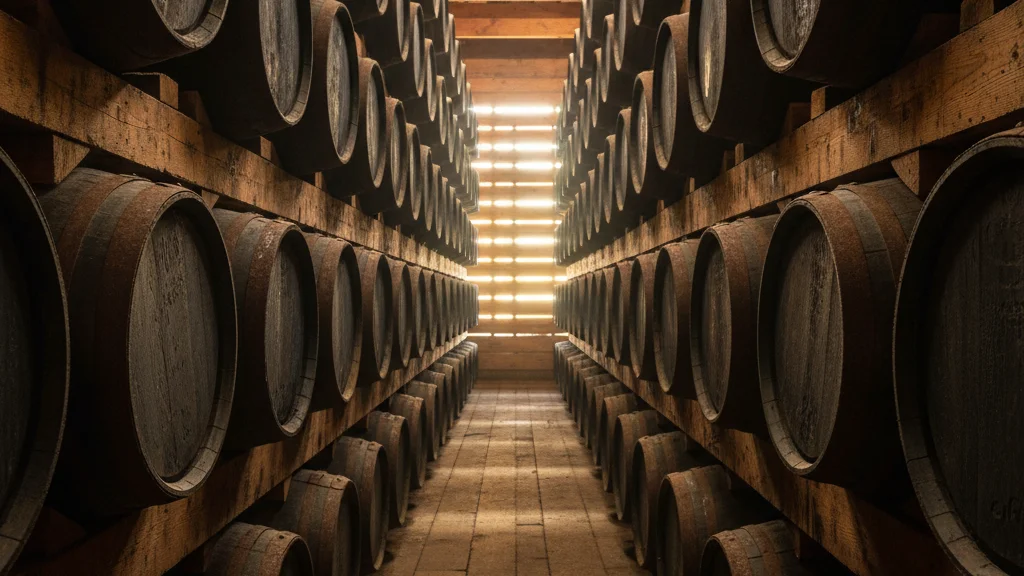
During hot months, the whiskey expands into the charred oak barrel, absorbing vanilla, caramel, toffee, and baking spice compounds from the wood. When temperatures drop, the liquid contracts and pulls back, carrying those extracted flavors with it. Distillers call this cyclical process “breathing,” and Kentucky’s wide temperature range drives it more aggressively than most other bourbon-producing regions. The result is a richer, more complex whiskey in less time.
A Cooperage Tradition
Federal law requires bourbon to be aged in new charred oak barrels, and Kentucky is home to the largest concentration of barrel-makers in the country, including Kelvin Cooperage. Having cooperages close to distilleries means fresher barrels, tighter quality control, and the ability for distillers to customize their char levels, toast profiles, and wood selections. The barrel contributes an estimated 60-70% of bourbon’s final flavor, making this proximity a genuine competitive advantage.
Centuries of Distilling Knowledge
Kentucky’s bourbon heritage dates to the late 1700s, when Scots-Irish settlers brought their distilling skills to the fertile Bluegrass region. Over 230 years of accumulated expertise, passed through generations of master distillers, has created a depth of craftsmanship that cannot be replicated overnight. The state now has over 100 distilleries operating along the Kentucky Bourbon Trail and beyond, each drawing on this deep well of tradition while pushing the craft forward.
What Is “Kentucky Straight Bourbon Whiskey”?
When you see the words “Kentucky Straight Bourbon Whiskey” on a label, every word carries legal weight. Here is what each term guarantees:
- Bourbon — Made from a grain mash of at least 51% corn, distilled to no more than 160 proof, entered into new charred oak barrels at no more than 125 proof, and bottled at a minimum of 80 proof.
- Straight — Aged for at least two years with no added coloring, flavoring, or blending spirits. If aged less than four years, the age must appear on the label.
- Kentucky — Distilled, aged, and bottled entirely within the Commonwealth of Kentucky.
This triple designation is one of the strongest quality signals in the spirits world. It tells you the whiskey earned its flavor through patience and craft, not through additives or shortcuts. For a deeper look at the different types of bourbon and what the label terms mean, we have a dedicated guide.
Key Kentucky Bourbon Regions
Kentucky’s bourbon geography spans the entire state, but several regions stand out for their concentration of distilleries and historical significance.
Bardstown: The Bourbon Capital of the World
Bardstown, Kentucky has claimed the title of “Bourbon Capital of the World” and backs it up with an extraordinary density of distilleries. Heaven Hill, Bardstown Bourbon Company, Lux Row, and Willett all operate within minutes of each other. The town is also home to the Oscar Getz Museum of Whiskey History, making it a pilgrimage site for bourbon enthusiasts.
Frankfort and the Kentucky River Corridor
The state capital has been a bourbon hub since the earliest days of Kentucky distilling. Buffalo Trace and Castle & Key (the restored Old Taylor Distillery) anchor the Frankfort corridor. The Kentucky River provided the original transportation route for shipping barrels downriver to New Orleans and beyond.
Louisville and Whiskey Row
Louisville’s Main Street, historically known as Whiskey Row, was once the center of America’s bourbon trade. Today it has been revitalized with distillery experiences from Evan Williams, Angel’s Envy, Michter’s, and Old Forester. The Urban Bourbon Trail connects dozens of bourbon bars and restaurants throughout the city.
Lawrenceburg and the Bluegrass
Lawrenceburg is home to Four Roses and Wild Turkey, two of the most recognized Kentucky bourbon brands in the world. The rolling Bluegrass hills surrounding these distilleries are the same landscape that has supported bourbon production since the 18th century.
Mary Dowling: The Mother of Bourbon and a Kentucky Legacy
No conversation about Kentucky bourbon is complete without the story of Mary Dowling, a trailblazing woman who ran the Waterfill and Frazier Distillery in Kentucky during an era when the industry was entirely male-dominated. When Prohibition threatened to destroy bourbon’s future, Mary Dowling fought to preserve it, earning her the title of the “Mother of Bourbon.” Her full story is the greatest story never told in American whiskey, and it is now preserved in the Amazon Best Seller The Mother of Bourbon.
Today, Mary Dowling Whiskey Co. honors that pioneering spirit with a collection of Kentucky bourbons that reflect the state’s natural advantages and centuries of craft:
- Mary Dowling Winter Wheat Bourbon — A wheated bourbon finished in toasted barrels. The soft winter wheat mash bill and toasted barrel finish deliver layers of caramel, baking spice, and a velvety texture.
- Mary Dowling Tequila Barrel Finished Bourbon — A high-rye bourbon finished in reposado tequila casks. The tequila barrel adds subtle agave sweetness and citrus brightness that complements the bourbon’s spicy backbone.
- Mary Dowling Double Oak Cask Strength — Aged in two separate Kelvin Cooperage barrels for maximum oak interaction. Bottled at cask strength, this is double-barreled bourbon at its most intense and complex.
Each expression is a Kentucky bourbon through and through, benefiting from the limestone water, seasonal aging, and cooperage traditions that make the state’s whiskey unmatched.
How Kentucky Bourbon Is Made
While the fundamentals of bourbon-making are consistent across all producers, Kentucky distillers have refined each step over generations. Here is the process in brief:
- Milling and Mashing — The grain bill (at least 51% corn, plus secondary grains like wheat, rye, or malted barley) is ground and mixed with Kentucky’s limestone-filtered water, then cooked to convert starches into fermentable sugars.
- Fermentation — Yeast is added to the mash in large fermentation tanks. Many Kentucky distilleries use a sour mash process, adding a portion of the previous batch’s spent mash to ensure consistency. Fermentation takes three to five days.
- Distillation — The fermented mash (called “distiller’s beer”) is distilled, typically in a column still followed by a copper pot still, or a doubler. The spirit comes off the still as a clear liquid called “white dog.”
- Barrel Aging — The new-make spirit enters new charred oak barrels at no more than 125 proof. Kentucky’s seasonal temperature swings drive the aging process, extracting color and flavor from the wood. Most premium Kentucky bourbons age four to eight years or longer.
- Bottling — The matured bourbon is filtered, sometimes proofed down with water (unless it is cask strength), and bottled at a minimum of 80 proof.
For an in-depth look at each step, read our complete guide on how bourbon is made and the bourbon mash bill.
Notable Kentucky Bourbon Brands
Kentucky’s bourbon roster includes some of the most celebrated names in American spirits. A few of the most notable Kentucky bourbon brands include:
- Maker’s Mark — Famous for their hand-dipped red wax seal and wheated mash bill.
- Woodford Reserve — A National Historic Landmark distillery known for triple pot distillation.
- Buffalo Trace — One of the oldest continuously operating distilleries in America, producing Pappy Van Winkle, Eagle Rare, and its flagship Buffalo Trace Bourbon.
- Wild Turkey — The Russell family’s legacy brand, celebrated for bold, full-flavored bourbon.
- Four Roses — Unique for using 10 distinct bourbon recipes from two mash bills and five yeast strains.
- Mary Dowling — Honoring the Mother of Bourbon with innovative finishes and Kentucky craftsmanship. Shop the collection.
Frequently Asked Questions About Kentucky Bourbon
Does bourbon have to be made in Kentucky?
No. Bourbon can legally be produced anywhere in the United States. However, about 95% of bourbon comes from Kentucky, and only bourbon made entirely in the state can use the “Kentucky” designation on the label. The state’s limestone water, climate, and distilling heritage give it a natural advantage that no other region has matched.
What is the difference between Kentucky bourbon and Tennessee whiskey?
Both are American whiskeys made from at least 51% corn and aged in new charred oak barrels. The key difference is the Lincoln County Process: Tennessee whiskey must be filtered through sugar maple charcoal before aging, a step that Kentucky bourbon does not require. For a detailed comparison, see our guide on Kentucky bourbon vs. Tennessee whiskey.
What makes Kentucky bourbon taste different from bourbon made in other states?
Kentucky’s limestone-filtered water creates a cleaner, sweeter starting point for fermentation. The state’s dramatic seasonal temperature swings drive more aggressive barrel interaction, extracting deeper vanilla, caramel, and oak flavors. Combined with centuries of accumulated distilling expertise, these factors produce a bourbon with a richness and complexity that is difficult to replicate elsewhere.
What is the Kentucky Bourbon Trail?
The Kentucky Bourbon Trail is a curated tour of the state’s premier distilleries, managed by the Kentucky Distillers’ Association. It includes over 40 stops spanning from Louisville to Lexington and Bardstown, offering behind-the-scenes tours, tastings, and a passport program. The trail attracts over two million visitors annually.
How long is Kentucky bourbon aged?
There is no minimum aging requirement for bourbon in general, but “straight” bourbon must be aged at least two years. Most premium Kentucky bourbons are aged four to eight years, with some special releases aging 10, 15, or even 20+ years. Kentucky’s hot summers accelerate aging compared to cooler climates, meaning a 6-year Kentucky bourbon may have more barrel character than a longer-aged bourbon from a milder region.
The Bottom Line
Kentucky bourbon’s dominance is not a historical accident. It is the result of unique natural resources, the right climate for barrel aging, generations of master distillers, and a legal framework that rewards quality over shortcuts. When you pick up a bottle labeled “Kentucky Bourbon,” you are choosing a whiskey shaped by limestone water, extreme seasons, and over two centuries of craft.
If you are ready to taste what makes Kentucky bourbon special, explore the Mary Dowling collection, rooted in one of the most remarkable stories in bourbon history. Or order a bottle online and experience Kentucky’s bourbon legacy for yourself.

Justin Pakdaman is the Marketing Director for Mary Dowling Whiskey Co., where he leads brand storytelling, digital strategy, and consumer engagement. Justin has years of experience building premium spirits brands.