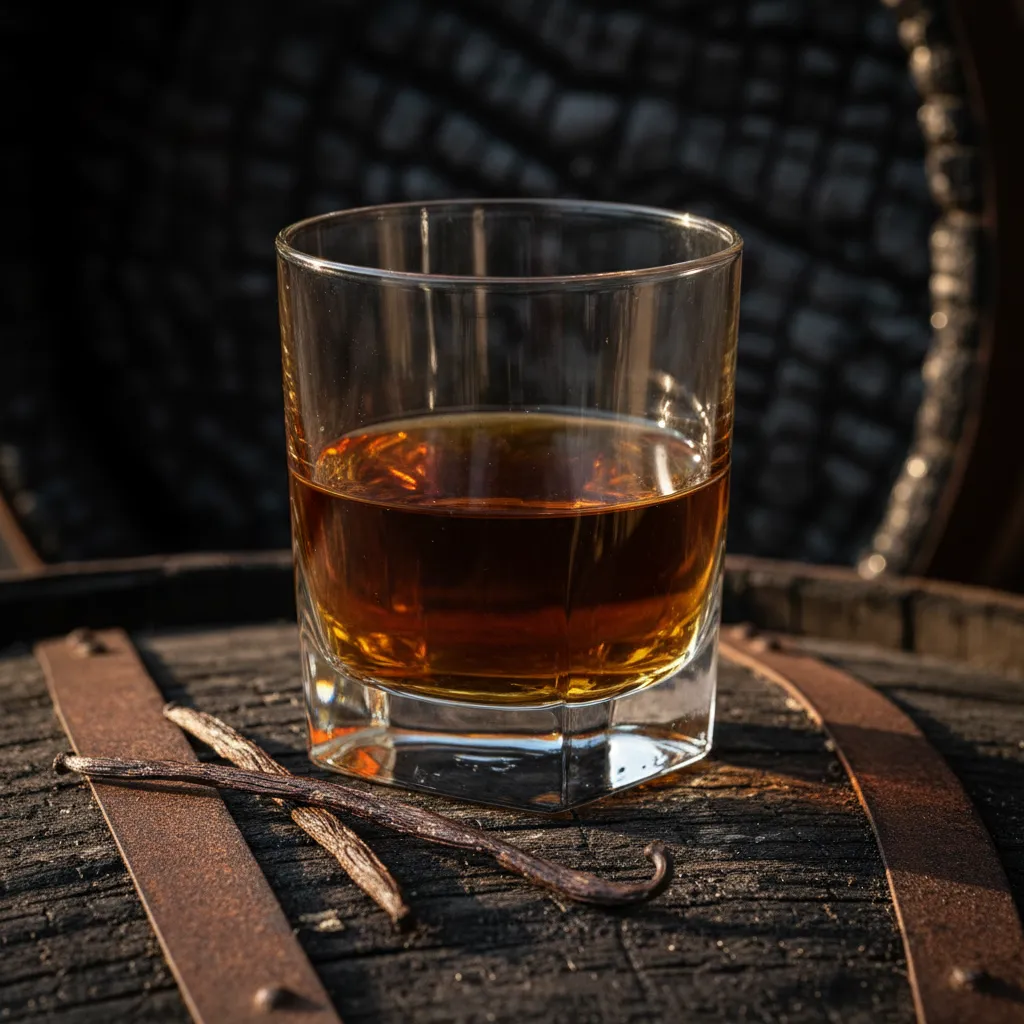
Take a sip of bourbon. That warm, inviting sweetness you taste first? That’s vanilla, and it’s not added after the fact. Vanilla is bourbon’s signature flavor, born from a fascinating chemical reaction between raw spirit and charred American oak. Understanding why bourbon tastes like vanilla reveals one of the most elegant processes in all of food science, and it can completely change the way you choose your next bottle.
Key Takeaways
- Vanilla in bourbon comes from the barrel, not an additive. Charring and toasting oak barrels breaks down a compound called lignin, releasing vanillin, the same molecule that gives vanilla beans their flavor.
- Bourbon style determines vanilla intensity. Wheated bourbons and toasted barrel finishes consistently deliver the strongest vanilla notes, while high-rye mash bills lean toward spice.
- Two Mary Dowling expressions are standouts for vanilla lovers. The Winter Wheat Bourbon and the Double Oak Cask Strength both use barrel treatments specifically designed to amplify vanilla and caramel.
Why Does Bourbon Taste Like Vanilla?
Every bourbon must, by law, age in new charred oak barrels. That requirement is the single biggest reason bourbon is the most vanilla-forward spirit in the world. When fire meets the inside of an oak barrel, it triggers a chain of chemical reactions that create the flavor compounds we associate with vanilla, caramel, and toffee. The spirit then spends years slowly extracting those compounds from the wood.
The Chemistry: Lignin, Vanillin, and Charred Oak
Oak wood contains a structural polymer called lignin. When a cooper chars or toasts the inside of a barrel, heat breaks lignin down into smaller aromatic compounds. The most important one for flavor is vanillin, the exact same molecule responsible for the aroma and taste of vanilla beans. A single charred oak barrel can contain enough vanillin to rival an entire vanilla pod.
The process works like this:
- Charring or toasting applies heat to the barrel’s interior, thermally degrading lignin into vanillin and related compounds (syringaldehyde, guaiacol).
- The “red layer” just beneath the char acts as a caramelized sugar zone where wood sugars have been converted into flavor-rich compounds.
- Seasonal temperature swings push bourbon into and out of the wood’s pores. During hot Kentucky summers, the liquid expands deep into the staves, extracting vanillin. During cold winters, it contracts back out, carrying those flavors into the spirit.
- Time amplifies everything. The longer bourbon ages, the more vanillin it extracts, though over-aging can introduce excessive tannins that mask vanilla with bitterness.
This is the same reason bourbon tastes sweet in general. The barrel’s caramelized sugars and vanillin work together to create that signature warm, dessert-like quality that sets bourbon apart from other whiskeys.
Char Level Matters
Barrels are charred on a scale from #1 (light, 15 seconds) to #4 (heavy, 55+ seconds, the famous “alligator char”). Higher char levels create a thicker carbon layer that filters harshness while producing more vanillin. Most bourbon distillers use #3 or #4 char. However, the relationship isn’t linear; a #4 char produces more smoky and spicy notes alongside the vanilla, while a moderate char with a heavy toast can actually maximize pure vanilla extraction.
Learn more about how barrel treatment shapes flavor in our guide to toasted vs. charred barrel bourbon.
Which Bourbon Styles Have the Most Vanilla?
Not all bourbons deliver the same vanilla punch. The mash bill (grain recipe), barrel treatment, and aging method all play a role. Here’s how the major vanilla bourbon styles stack up.
Wheated Bourbon: The Vanilla King
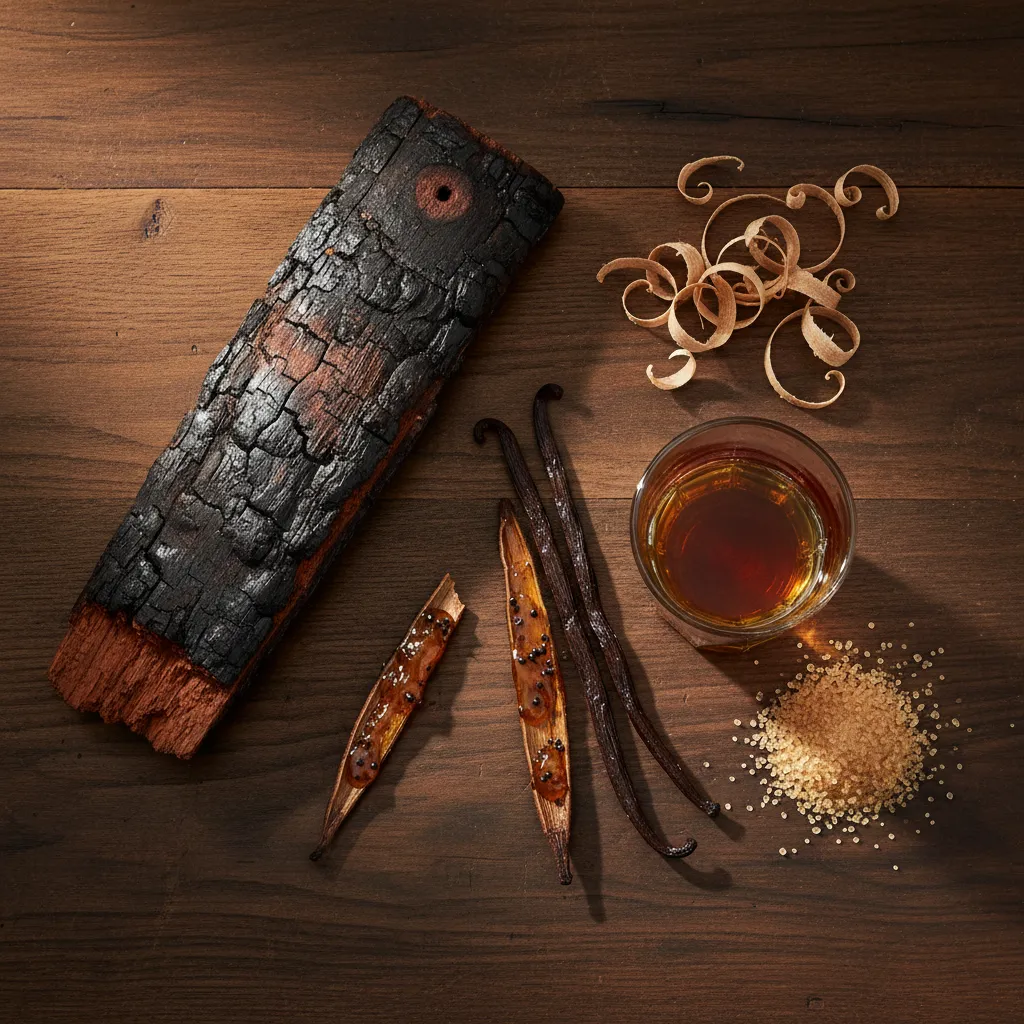
Wheated bourbons replace rye grain with wheat in the mash bill. Wheat is softer and less spicy than rye, which means it doesn’t compete with the barrel-derived vanilla. The result is a bourbon where vanilla, caramel, and honey take center stage. This is why wheated bourbons like Maker’s Mark, W.L. Weller, and Mary Dowling Winter Wheat are consistently described as the smoothest, most vanilla-forward bourbons on the market.
Toasted Barrel Finishes: Vanilla Amplified
Toasting a barrel is a slower, gentler process than charring. Where charring creates a quick, intense burn, toasting applies moderate heat over a longer period. This slow heat is especially effective at breaking down lignin into vanillin without producing the smokier, more aggressive compounds that come with a heavy char. Bourbons finished in toasted barrels, sometimes called “toasted barrel bourbon,” often have the most pronounced vanilla of any style.
Mary Dowling Winter Wheat uses exactly this approach: the bourbon is finished in #3 char, medium-toast Kelvin Cooperage barrels, which layer additional vanilla and baking spice onto an already smooth wheated base.
Double Oak and Double Barrel: Twice the Extraction
If one barrel is good, two barrels means twice the wood contact and twice the vanillin extraction. Double-barreled bourbons spend time in a second new oak barrel after their initial aging. This dramatically increases the concentration of vanilla, caramel, and oak-derived sweetness. The Mary Dowling Double Oak Cask Strength is a prime example: after resting in a #4 char barrel, the bourbon moves to a second barrel with a #1 char and heavy toast, pulling even more vanillin and brown sugar from the fresh wood.
High-Rye Bourbon: Vanilla with Spice
High-rye bourbons still contain plenty of barrel-derived vanilla, but the rye grain adds a layer of black pepper, cinnamon, and baking spice that shares the spotlight. If you want vanilla but also crave complexity and a spicy kick, a high-rye mash bill delivers both. The vanilla is present; it just has more competition.
Traditional Bourbon (Standard Rye Content): Balanced Vanilla
Most bourbons use a mash bill with moderate rye content (8-15%). These “standard” bourbons deliver a balanced profile where vanilla sits alongside caramel, oak, and a hint of spice. Think of classic expressions like Buffalo Trace or Wild Turkey, where vanilla is a supporting player rather than the headliner.
Vanilla Intensity by Bourbon Style
This comparison shows how different bourbon styles and barrel treatments affect the prominence of vanilla flavor.
| Bourbon Style | Vanilla Intensity | Why | Example |
|---|---|---|---|
| Wheated + Toasted Barrel Finish | ★★★★★ | Wheat removes spice competition; toasting maximizes vanillin extraction | Mary Dowling Winter Wheat |
| Double Oak / Double Barrel | ★★★★★ | Second barrel doubles wood contact and vanillin | Mary Dowling Double Oak Cask Strength |
| Wheated Bourbon (Standard) | ★★★★ | Soft wheat grain lets barrel vanilla shine | Maker’s Mark, W.L. Weller Special Reserve |
| Traditional Bourbon (Moderate Rye) | ★★★ | Balanced grain and barrel; vanilla is present but shares the stage | Buffalo Trace, Evan Williams |
| High-Rye Bourbon | ★★☆ | Rye spice competes with vanilla for dominance | Bulleit, Four Roses Single Barrel |
| Cask Strength (Any Style) | ★★★★ | Higher proof concentrates all flavors, including vanilla | Mary Dowling Double Oak Cask Strength |
Top Bourbons for Vanilla Lovers
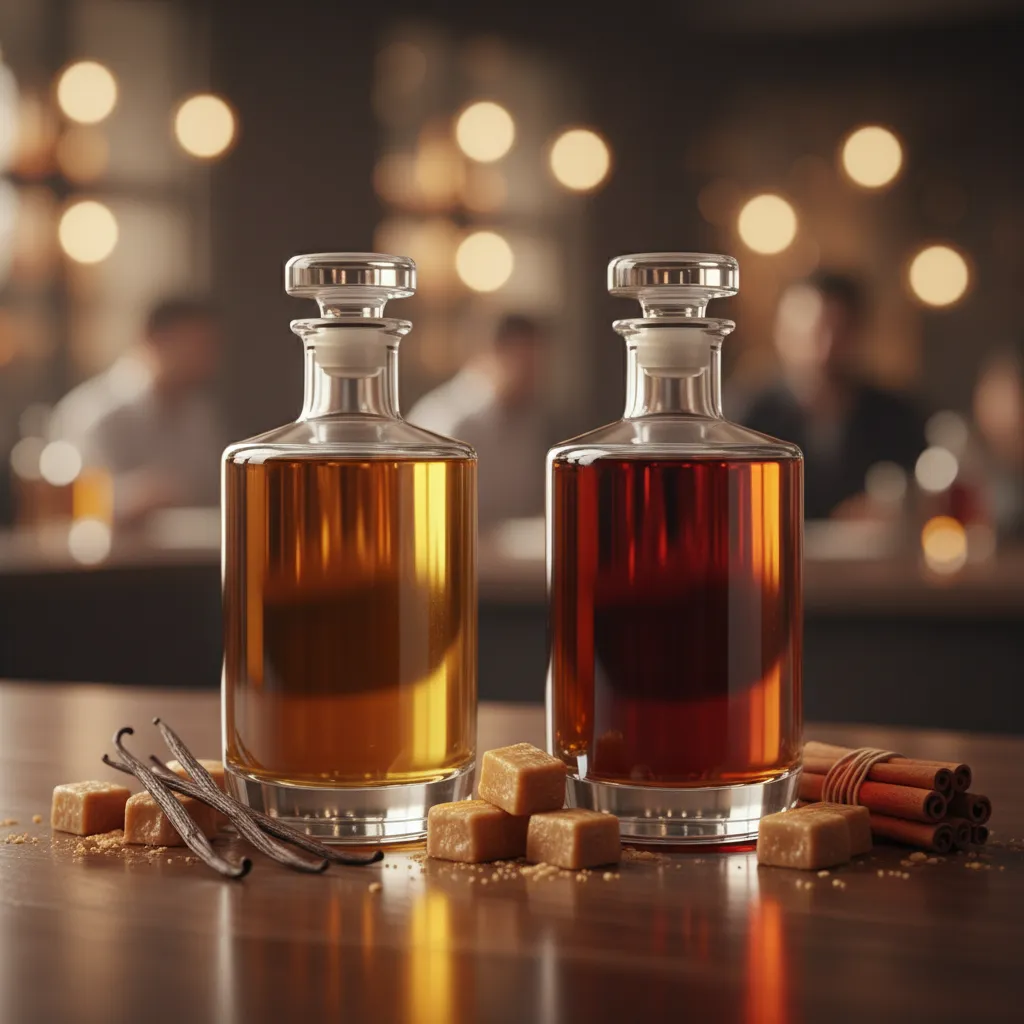
If you’re specifically looking for a vanilla bourbon or vanilla whiskey experience, these are the bottles to reach for.
Mary Dowling Winter Wheat Bourbon
A wheated bourbon finished in toasted Kelvin Cooperage barrels. The combination of a wheat-forward mash bill and a medium-toast barrel finish makes this one of the most vanilla-rich bourbons available. Tasting notes include ripe cherry, roasted nuts, golden honey, and prominent vanilla, with a velvety smooth finish accented by allspice and cinnamon. At 91 proof, it’s approachable enough to sip neat while still delivering serious flavor depth.
Best for: Sipping neat, vanilla-forward cocktails like an Old Fashioned or Whiskey Sour.
Order Mary Dowling Bourbon Online | Find a Store
Mary Dowling Double Oak Cask Strength
This barrel-strength wheated bourbon rests in two different Kelvin Cooperage barrels: first a #4 char, then a #1 char with heavy toast. The double-barrel process extracts an extraordinary concentration of vanillin, layered with chocolate, tobacco, baking spice, and brown sugar. The finish is long and warm, with cherry and lingering spice. Because it’s cask strength, every flavor is amplified.
Best for: Serious bourbon enthusiasts who want maximum vanilla intensity at full proof.
Order Mary Dowling Bourbon Online | Find a Store
Other Vanilla-Forward Bourbons Worth Trying
- Maker’s Mark 46 — Uses toasted French oak staves inside the barrel to boost vanilla and caramel.
- Woodford Reserve Double Oaked — A second heavily-toasted barrel adds layers of vanilla, honey, and fruit.
- Angel’s Envy Bourbon — Port barrel finishing adds sweet, vanilla-rich complexity.
- W.L. Weller Special Reserve — A classic wheated bourbon with a soft, vanilla-caramel core.
How to Taste the Vanilla in Your Bourbon
Even in a vanilla-forward bourbon, you need the right approach to fully experience the flavor. Use our bourbon flavor wheel as a guide and follow these steps:
- Nose first. Hold the glass just below your nose and breathe gently. Vanilla often hits on the aroma before you ever take a sip. Look for a warm, sweet, almost bakery-like note.
- Take a small sip. Let the bourbon coat your tongue before swallowing. Vanilla typically appears on the mid-palate as a creamy, sweet sensation.
- Add a few drops of water. Dilution can open up vanilla notes that are locked behind higher-proof alcohol. This is especially effective with cask-strength bourbons like the Mary Dowling Double Oak.
- Compare side by side. Taste a wheated bourbon next to a high-rye bourbon. The contrast makes vanilla immediately identifiable in the wheated expression.
If you want a deeper understanding of the full range of what bourbon tastes like, start with the flavor wheel and work outward from the vanilla category.
Vanilla Bourbon FAQ
Is vanilla added to bourbon?
No. By law, bourbon cannot contain any added flavoring. The vanilla flavor comes entirely from vanillin, a compound naturally released when charred oak barrels interact with the aging spirit. It’s the same molecule found in vanilla beans, but it’s produced by the wood, not added by the distiller.
What is the difference between vanilla bourbon and vanilla whiskey?
A vanilla bourbon is a straight bourbon with naturally prominent vanilla notes from barrel aging. A “vanilla whiskey” can refer to the same thing, but some products marketed as vanilla whiskey are flavored spirits with actual vanilla extract added. Always check the label: if it says “straight bourbon,” the vanilla is natural.
Which bourbon has the most vanilla flavor?
Wheated bourbons finished in toasted barrels consistently deliver the strongest vanilla. Mary Dowling Winter Wheat Bourbon and double-oaked expressions like Mary Dowling Double Oak Cask Strength are specifically crafted to maximize vanilla through barrel chemistry.
Does aging length affect vanilla flavor?
Yes. Longer aging generally increases vanillin extraction, but there’s a sweet spot. Over-aged bourbon (12+ years) can develop so much tannin from the wood that the vanilla becomes muted. Most bourbon experts consider 4-8 years ideal for peak vanilla expression.
Can you taste vanilla in bourbon cocktails?
Absolutely. Vanilla-forward bourbons shine in cocktails like the Old Fashioned, where the vanilla pairs with bitters and a sugar cube, or a Whiskey Sour, where the citrus and sweetness frame the vanilla beautifully.
Explore the Mary Dowling Bourbon Collection
Every expression in the Mary Dowling bourbon collection is crafted with careful attention to barrel science. Whether you prefer the toasted-barrel smoothness of the Winter Wheat or the bold, concentrated vanilla of the Double Oak Cask Strength, there’s a bottle designed for lovers of rich, vanilla-forward whiskey.
Order online or find a store near you to experience it yourself.

Justin Pakdaman is the Marketing Director for Mary Dowling Whiskey Co., where he leads brand storytelling, digital strategy, and consumer engagement. Justin has years of experience building premium spirits brands.