Key Takeaways
- Bourbon’s signature flavor is a balance of sweet, spicy, and woody notes: Expect rich vanilla and caramel from the charred oak barrel, warm baking spices from the grain, and a smooth finish that sets it apart from other whiskeys.
- The mash bill is the blueprint for flavor: A wheated bourbon like Mary Dowling Winter Wheat delivers a softer, sweeter profile, while a high-rye bourbon like the Tequila Barrel Finish brings bold spice and complexity.
- Barrel treatment is the final artist: Toasted barrels amplify caramel and honey, double oak aging adds layers of chocolate and tobacco, and cask strength delivers every flavor note at full volume.
What Does Bourbon Taste Like?
If you’ve ever wondered what bourbon tastes like, the short answer is this: it’s a rich, complex spirit defined by a harmony of sweetness, warmth, and oak. Unlike vodka or gin, bourbon’s flavor doesn’t come from added botanicals or neutral grain. It comes from a specific combination of corn-heavy grain, new charred American oak barrels, and time. The result is a whiskey that is unmistakably its own, with a profile that’s both approachable and deeply layered.
At its core, bourbon tastes sweet. That sweetness comes from two places: the high percentage of corn in the mash bill (at least 51%, by law) and the caramelized sugars released from the charred oak barrel during aging. On top of that sweetness, you’ll find warm spice, toasted wood, and often a touch of fruit. It’s a spirit that rewards attention; the more you taste, the more you discover.
The Core Flavor Notes in Every Bourbon
While every bourbon has its own personality, certain tasting notes appear again and again. These are the building blocks of bourbon flavor, and learning to recognize them is the first step toward understanding how to taste bourbon with confidence.
Vanilla
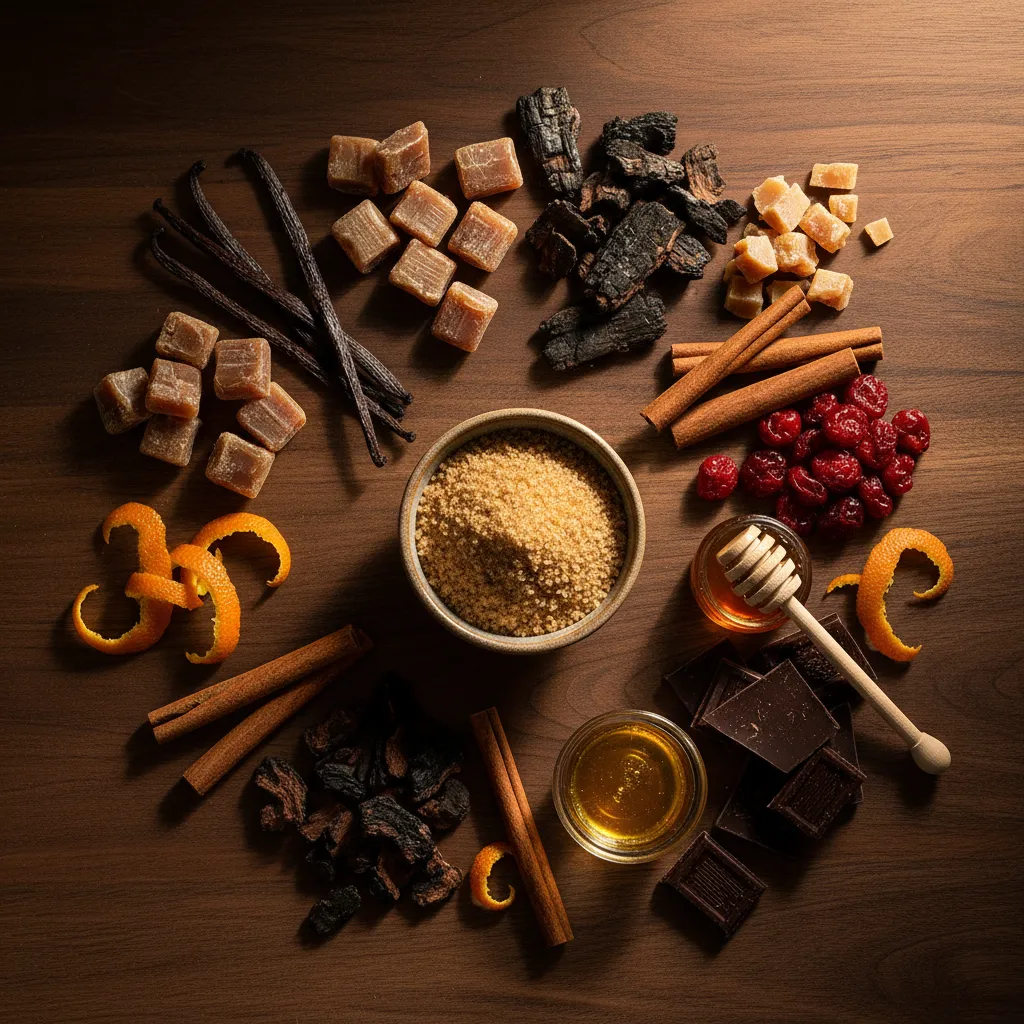
Vanilla is arguably the most universal bourbon flavor. It comes directly from a compound called vanillin, which is released from the oak barrel as the wood is toasted and charred. Almost every bourbon you taste will have some degree of vanilla, from subtle and creamy to rich and pronounced. It’s the flavor that makes bourbon feel warm and inviting from the very first sip.
Caramel and Toffee
When the inside of a new oak barrel is charred, the heat caramelizes the wood’s natural sugars. During aging, the bourbon slowly extracts these sugars, creating rich notes of caramel, butterscotch, and toffee. This is a major reason bourbon tastes sweet without any added sugar.
Oak and Wood
Since bourbon must be aged in new charred oak, the wood itself is a primary flavor contributor. You might taste toasted wood, cedar, or even a dry, tannic quality similar to a bold red wine. The longer the bourbon ages, the more pronounced the oak character becomes.
Baking Spices
Cinnamon, nutmeg, allspice, and clove are common spice notes in bourbon. These come from both the grain (especially rye in the mash bill) and the interaction between the spirit and the barrel. They add warmth and complexity, especially on the mid-palate and finish.
Fruit
Many bourbons carry notes of stone fruit like cherry, peach, or dried apricot. Some express citrus or dark berries. These fruity notes are often a product of the fermentation process and the specific yeast strain used by the distillery.
Honey and Brown Sugar
A natural extension of bourbon’s sweetness, honey and brown sugar notes often appear alongside vanilla and caramel. These flavors are especially prominent in wheated bourbons, where the soft wheat grain amplifies the sweetness.
How the Mash Bill Shapes Bourbon Flavor
The mash bill is bourbon’s recipe, the specific ratio of grains used in production. By law, bourbon must contain at least 51% corn, but the remaining grains make an enormous difference in how the final spirit tastes. Think of corn as the canvas and the secondary grains as the paint.
Wheated Bourbon: Soft, Sweet, and Smooth
When wheat replaces rye as the secondary grain, the result is a bourbon that’s noticeably softer and sweeter. Wheat doesn’t contribute the sharp spice that rye does; instead, it lets the corn sweetness and barrel character shine through. Wheated bourbons are often described as having notes of honey, vanilla, fresh bread, and gentle baking spice.
Mary Dowling Winter Wheat Bourbon is a textbook example. Its wheated mash bill delivers a symphony of ripe cherry, roasted almonds, and golden honey, with a velvety smooth finish accented by allspice and cinnamon. It’s the kind of bourbon that’s equally at home sipped neat or as the foundation of a classic cocktail.
High-Rye Bourbon: Bold, Spicy, and Complex
A higher percentage of rye grain creates a bourbon with more attitude. High-rye bourbons tend to be drier, spicier, and more assertive on the palate. You’ll often pick up notes of black pepper, clove, and herbal spice, along with a pleasant dryness that lingers on the finish.
Mary Dowling Tequila Barrel Finish starts with a high-rye mash bill, then adds another dimension by finishing the bourbon in reposado tequila barrels. The result is a remarkably complex spirit with notes of dry spice, anise, citrus, grapefruit, and smoke, finishing with black pepper and lingering warmth. It’s bourbon with a story as bold as its flavor.
Traditional Bourbon: The Classic Balance
A traditional bourbon mash bill typically uses corn, rye, and malted barley in a balanced ratio. This produces the “textbook” bourbon taste that most people think of: a harmonious blend of sweetness from the corn, spice from the rye, and a smooth, grainy backbone from the barley. It’s the flavor profile that defines the category.
How Barrel Treatment Changes the Taste
If the mash bill is the recipe, the barrel is the kitchen. The type of barrel, the char level, the toast, and whether the bourbon sees a second barrel all have a dramatic impact on the final flavor. Understanding barrel treatment is key to understanding why different bourbons taste different, even when they start with similar grain recipes.
Charred Barrels: The Foundation
All bourbon is aged in new charred American oak barrels. The charring creates a layer of charcoal on the inside of the barrel that acts as a natural filter, stripping harsh flavors from the raw spirit while infusing it with smoky sweetness. The deeper the char, the more aggressive the filtration and the bolder the barrel character.
Toasted Barrels: Amplified Sweetness
Toasting is a gentler process than charring, using lower, more controlled heat over a longer period. This slow heating caramelizes the wood sugars without creating a charcoal layer, producing bourbons with amplified notes of caramel, honey, and vanilla. Mary Dowling Winter Wheat is finished in toasted barrels from Kelvin Cooperage, which is exactly why its flavor profile leans so heavily toward rich sweetness and smooth warmth.
Double Oak: Layered Complexity
Double oak bourbon spends time in two separate barrels, each contributing its own layer of flavor. The first barrel establishes the bourbon’s core character, and the second barrel adds depth, intensity, and new dimensions of taste.
Mary Dowling Double Oak Cask Strength rests first in a #4 char barrel and then in a second new American oak barrel with a #1 char and heavy toast. This dual aging creates a tapestry of tobacco, chocolate, anise, cherry, and oak, with a finish of wide, lingering spice. It’s bolder and more intense than a single-barrel bourbon, and at cask strength, every flavor note comes through unfiltered and at full volume.
Cask Strength: The Uncut Experience
Most bourbons are diluted with water before bottling to bring them down to a standard proof. Cask strength (or barrel proof) bourbon skips this step entirely, bottling the spirit exactly as it comes out of the barrel. The result is a more concentrated, more intense flavor experience. You’ll taste every note with greater clarity and power. Adding a few drops of water can open up new flavors, making cask strength bourbon a playground for exploring your palate.
Mary Dowling Tasting Notes: A Side-by-Side Comparison
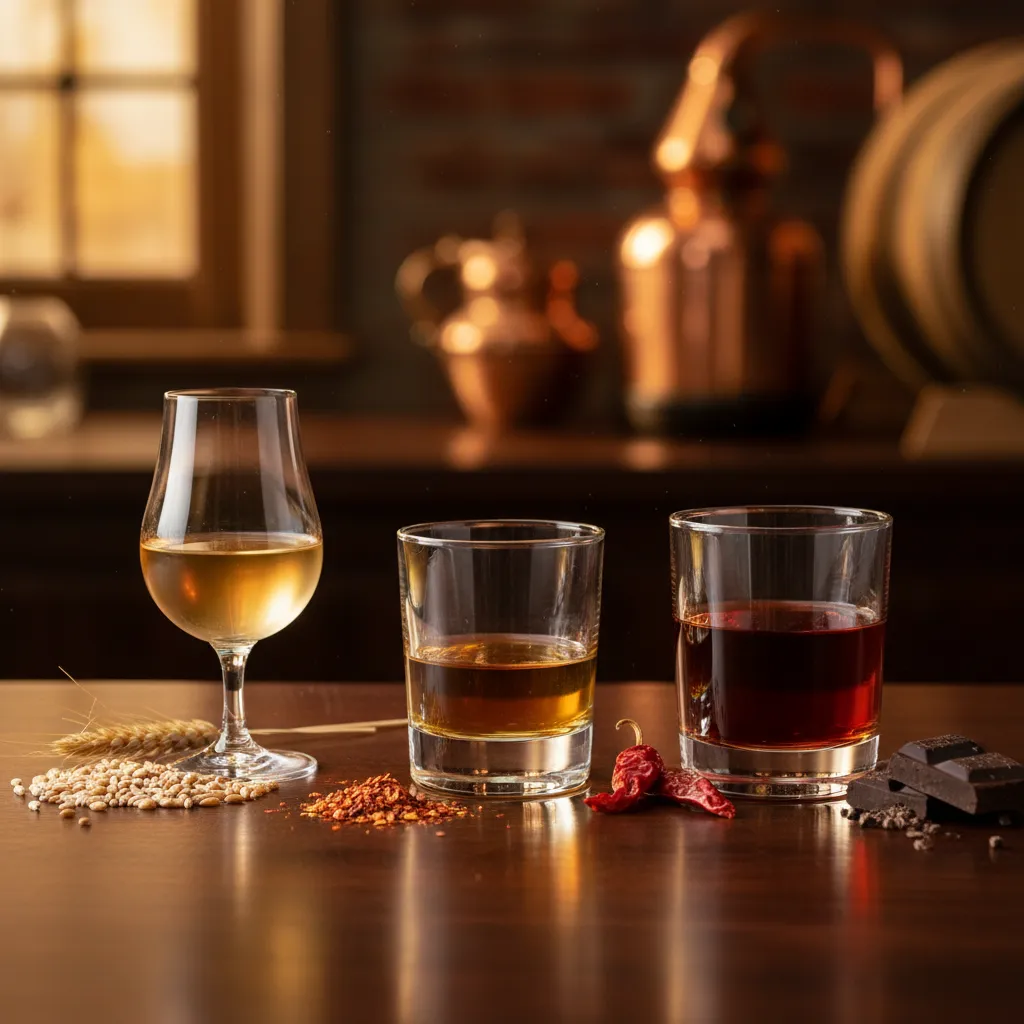
One of the best ways to understand how mash bill and barrel treatment shape bourbon flavor is to taste different expressions from the same distillery side by side. Here’s how Mary Dowling’s three core whiskeys compare:
| Winter Wheat | Tequila Barrel Finish | Double Oak Cask Strength | |
|---|---|---|---|
| Style | Wheated Bourbon | High-Rye Bourbon | Wheated Double Oak |
| Proof | 91 (45.5% ABV) | 93 (46.5% ABV) | Barrel Strength |
| Nose | Cherry, oak, dark stone fruit | Dry spice, anise, citrus, floral | Tobacco, chocolate, cherry, baking spice |
| Palate | Caramel, roasted nuts, honey, vanilla | Citrus, grapefruit, smoke, nutmeg | Leather, tobacco, cinnamon, oak |
| Finish | Black pepper, allspice, cinnamon | Black pepper, lingering spice | Cherry, wide lingering spice |
| Best For | Sipping neat, cocktails | Adventurous sippers, margarita lovers | Experienced bourbon drinkers |
Tasting these three side by side is an education in bourbon flavor. The Winter Wheat shows what a soft, sweet wheated mash bill can do. The Tequila Barrel Finish demonstrates how a secondary barrel finish can introduce entirely new flavor dimensions. And the Double Oak Cask Strength proves that bold intensity and smooth complexity aren’t mutually exclusive. Explore all three expressions to discover your preference.
Factors That Influence What You Taste
Beyond the mash bill and barrel, several other factors can change how a bourbon tastes to you, both in the production process and in how you choose to drink it.
Age
Longer aging generally means more barrel character: deeper oak, more tannin, and richer sweetness. However, more isn’t always better. Over-aged bourbon can become excessively woody and bitter. Most quality bourbons find their sweet spot between 4 and 12 years.
Water Source
Kentucky’s limestone-filtered water, rich in calcium and free of iron, has long been credited with producing a cleaner, sweeter spirit. The water used in production and proofing can subtly influence the final flavor.
How You Drink It
Bourbon served neat at room temperature gives you the fullest flavor. Adding a few drops of water can open up new aromas and soften the alcohol. Ice dulls some flavors but can make higher-proof bourbons more approachable. And in a cocktail, the bourbon’s core character blends with other ingredients to create something entirely new.
Your Glass
A tulip-shaped Glencairn glass concentrates the aromas at the top, making it easier to pick up subtle notes. A wide-mouth rocks glass lets the aromas dissipate faster, which can be ideal for higher-proof pours. The glass you choose genuinely changes the experience.
Common Bourbon Flavor Profiles at a Glance
| Flavor Category | Common Notes | Where It Comes From |
|---|---|---|
| Sweet | Vanilla, caramel, honey, brown sugar, toffee | Charred/toasted oak, corn |
| Spice | Cinnamon, black pepper, clove, nutmeg, allspice | Rye grain, barrel char |
| Fruit | Cherry, peach, apple, dried apricot, citrus | Fermentation, yeast strain |
| Wood | Oak, cedar, smoke, leather, tobacco | New charred oak barrel, aging time |
| Grain | Cornbread, cereal, wheat, toast | Mash bill composition |
| Rich | Chocolate, coffee, dark caramel, molasses | Heavy char/toast, double oak aging |
Frequently Asked Questions
Does all bourbon taste the same?
Not at all. While all bourbon shares certain core characteristics like sweetness and oak, the specific mash bill, barrel treatment, aging time, and distillery practices create a wide range of flavor profiles. A wheated bourbon tastes noticeably different from a high-rye bourbon, and a single barrel will taste different from a small batch.
Is bourbon sweet or spicy?
It’s both, and the balance depends on the specific bourbon. Wheated bourbons lean sweeter, with notes of honey, vanilla, and soft fruit. High-rye bourbons lean spicier, with black pepper, clove, and herbal notes. Most bourbons offer a blend of both.
Why does bourbon taste like vanilla?
The vanillin compound is released from the oak barrel during toasting and charring. As bourbon ages in contact with the wood, it extracts this compound, giving the spirit its signature vanilla flavor. Longer aging and heavier toast levels can intensify this note.
What bourbon should I try first?
If you’re new to bourbon, start with a wheated expression like Mary Dowling Winter Wheat. It’s approachable, smooth, and showcases bourbon’s natural sweetness without overwhelming spice. From there, explore spicier and bolder options as your palate develops.
Does adding water change the taste?
Yes. A few drops of water can reduce the alcohol’s burn and open up new aromatic compounds, revealing flavors you might not notice at full proof. It’s especially useful with cask strength bourbons like Mary Dowling Double Oak, where the high proof can mask subtler notes.
Start Your Bourbon Flavor Journey
Understanding what bourbon tastes like isn’t about memorizing a list of flavors. It’s about paying attention, trusting your palate, and exploring different styles to find what speaks to you. Whether you’re drawn to the soft sweetness of a wheated bourbon, the bold spice of a high-rye expression, or the intense complexity of a double oak cask strength, there’s a bourbon for every palate.
The best way to learn is to taste. Order Mary Dowling bourbon online and experience three distinct flavor profiles from a distillery that honors the craft and legacy of the Mother of Bourbon herself.

Justin Pakdaman is the Marketing Director for Mary Dowling Whiskey Co., where he leads brand storytelling, digital strategy, and consumer engagement. Justin has years of experience building premium spirits brands.