Key Takeaways
- Start with a wheated bourbon: Wheated bourbons swap rye for wheat, producing a softer, smoother flavor that’s far more forgiving for a new palate than spicy, high-rye expressions.
- Look for 80–100 proof: This range delivers full flavor without the alcohol burn that can overwhelm a beginner. Save the cask-strength bottles for later.
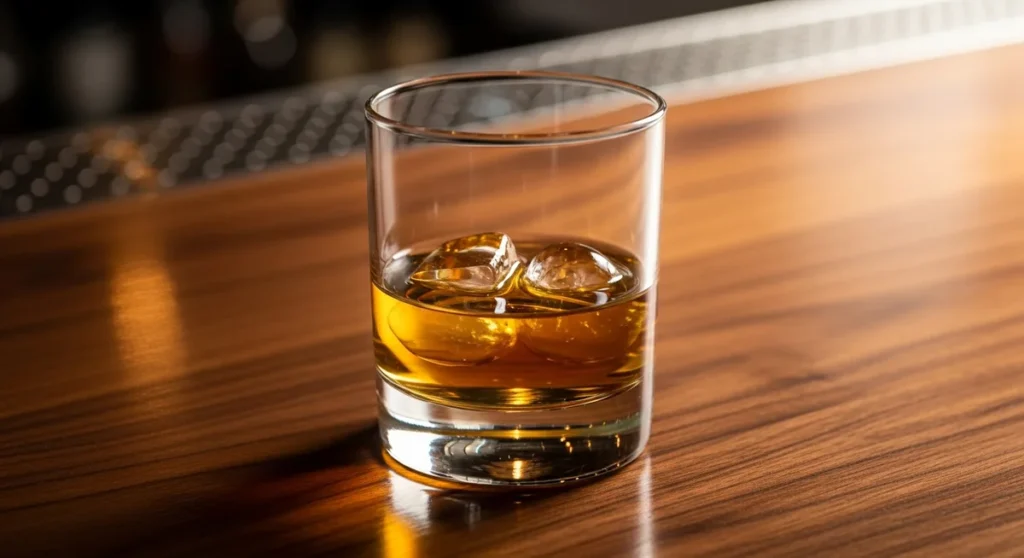
- There’s no wrong way to drink bourbon: Neat, on the rocks, with a splash of water, or in a cocktail are all legitimate ways to enjoy it. The best method is the one you like.
- Expect $25–$60 for quality starters: You don’t need to spend $100+ to find an excellent bourbon. The sweet spot for beginner-friendly bottles is solidly in the mid-range.
What Makes a Good Beginner Bourbon?
Walking into a liquor store and staring at a wall of bourbon can feel like trying to read a menu in a language you don’t speak. The labels are covered in terms like “single barrel,” “cask strength,” and “high rye,” and none of them seem designed to help a newcomer. The good news is that picking your first bourbon doesn’t have to be complicated. A few simple guidelines will steer you toward a bottle you’ll actually enjoy.
The most important factor for a beginner is smoothness. You want a bourbon that lets you taste the whiskey itself rather than just the heat of the alcohol. That means looking for two things: a moderate proof and a mash bill that favors softer grains.
Proof Matters More Than You Think
Proof is a measure of alcohol content, and it directly affects how a bourbon feels in your mouth. A bottle at 80 proof (40% ABV) will be noticeably gentler than one at 120 proof (60% ABV). For your first bottles, stick to the 80–100 proof range. This gives you enough flavor complexity without the sharp ethanol bite that can mask the underlying notes of caramel, vanilla, and oak you’re trying to discover. Once your palate adjusts, you can explore cask-strength expressions with confidence.
The Mash Bill: Wheated vs. High Rye
Every bourbon starts with at least 51% corn, but the remaining grains define its personality. A wheated bourbon uses wheat as the secondary grain, producing flavors that lean toward honey, bread, and soft fruit. A high-rye bourbon brings spice, pepper, and a bolder kick. For beginners, wheated bourbon is almost always the better starting point. It’s approachable, forgiving, and rewards you with flavor right away.
Age and Price: The Sweet Spot
You don’t need a 20-year-old bottle to have a great experience. Most well-made bourbons aged 4–8 years offer excellent balance between the grain character and oak influence. As for price, the $25–$60 range is where you’ll find the best value for a beginner. Bottles above that tend to offer diminishing returns until your palate is developed enough to appreciate the subtlety.
How to Drink Bourbon: 4 Ways to Enjoy Your First Glass
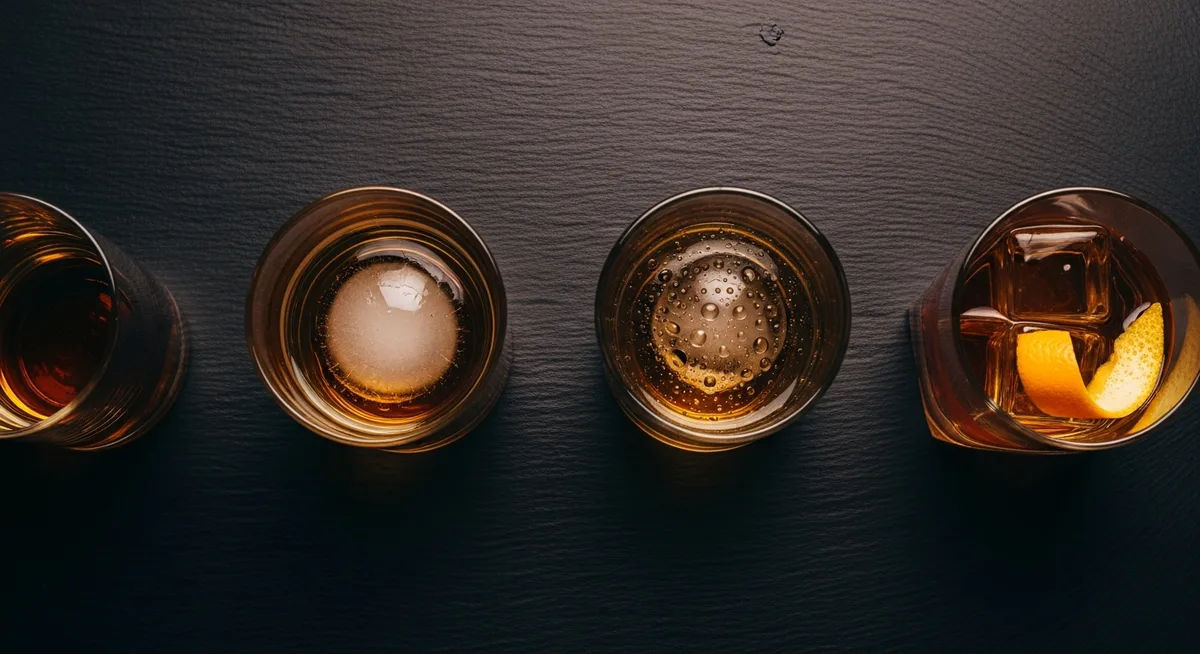
There’s a persistent myth that “real” bourbon drinkers only drink it neat. That’s nonsense. Bourbon is one of the most versatile spirits in the world, and how you drink it is entirely a matter of personal preference. Here are the four most common ways to enjoy it, each with its own advantages.
1. Neat (Straight From the Bottle)
Pouring bourbon into a glass and sipping it at room temperature is the purest way to experience its flavor. This is how professional tasters evaluate whiskey because nothing dilutes or alters the spirit. If you’re tasting neat for the first time, pour about an ounce and a half, let it sit for a minute, and take a small sip. Let the bourbon coat your tongue before swallowing. You’ll notice the flavor evolves as it moves across your palate. For specific bottles that shine this way, check out our guide to the best bourbons to sip neat.
2. On the Rocks
Adding a large ice cube or sphere does two things: it lowers the temperature and gradually dilutes the bourbon as the ice melts. This can tame the alcohol burn and bring out sweeter notes that might be hiding at full strength. Use a single large ice cube rather than several small ones; it melts slower, giving you more control over dilution. This is an excellent method if you find neat bourbon a bit too intense at first.
3. With a Splash of Water
A few drops of room-temperature water can open up a bourbon’s aroma and soften its texture without chilling it. Some experienced tasters prefer this to ice because it lets you control dilution precisely and doesn’t change the temperature. It’s a great middle ground between neat and on the rocks. Start with just a few drops and taste after each addition. For a deeper dive, read our guide on how to taste bourbon.
4. In a Cocktail
There’s absolutely nothing wrong with mixing bourbon into a cocktail. In fact, some of the world’s most celebrated drinks are built on bourbon: the Old Fashioned, the Whiskey Sour, and the Manhattan, to name a few. Cocktails are a fantastic entry point because the other ingredients balance the bourbon’s intensity while still letting its character shine. Browse our full collection of bourbon cocktail recipes for inspiration.
Bourbon Flavor Profiles to Expect
When you take your first sip of bourbon, the flavor can seem like a lot to process. Breaking it down into categories helps you identify what you’re tasting and figure out what you enjoy most.
- Sweet: Caramel, vanilla, butterscotch, honey, and brown sugar. These come primarily from the corn in the mash bill and the charred oak barrels.
- Fruit: Cherry, dried apricot, orange peel, and baked apple. Age and specific barrel treatments often amplify these notes.
- Spice: Cinnamon, black pepper, clove, and nutmeg. These are more prominent in high-rye bourbons and less intense in wheated expressions.
- Oak and Wood: Toast, cedar, leather, and tobacco. Longer aging produces deeper wood influence.
- Grain: Bread, biscuit, and cereal. Wheated bourbons tend to showcase these soft grain notes beautifully.
Use the bourbon flavor wheel as a reference tool during your tastings. It helps you put names to the flavors you’re experiencing.
10 Best Bourbons for Beginners
This list is built on one principle: each bottle should make bourbon accessible without dumbing it down. These are genuine, well-crafted whiskeys that happen to be approachable enough for a first-timer to enjoy from the very first sip.
1. Mary Dowling Winter Wheat Bourbon
Proof: 92 | Mash Bill: Wheated (winter wheat) | Price: ~$45
This is the bottle we’d hand to anyone asking where to start. Mary Dowling Winter Wheat is crafted with a wheated mash bill featuring soft winter wheat, then aged in toasted barrels. The result is a bourbon with notes of honey, fresh bread, and gentle vanilla that doesn’t fight your palate. At 92 proof, it has enough backbone to taste serious without overwhelming a new drinker. It’s equally comfortable sipped neat, over a rock, or stirred into an Old Fashioned. The story behind it, honoring Mary Dowling, the “Mother of Bourbon,” makes the first pour even more meaningful.
2. Buffalo Trace Kentucky Straight Bourbon
Proof: 90 | Mash Bill: Low rye | Price: ~$25
Buffalo Trace is the bourbon most bartenders reach for when introducing someone to whiskey. It’s balanced, affordable, and widely available. Expect caramel, vanilla, and a hint of toffee with a clean finish. It doesn’t challenge your palate, which is exactly what a beginner needs. A reliable foundation for exploring the category.
3. Woodford Reserve Kentucky Straight Bourbon
Proof: 90.4 | Mash Bill: High rye | Price: ~$35
Woodford Reserve delivers a slightly more complex experience with notes of dried fruit, rich chocolate, and toasted oak. It’s a step up in complexity from Buffalo Trace but still extremely approachable. The beautiful bottle doesn’t hurt either; it looks great on a shelf and makes a solid gift for someone just getting into bourbon.
4. Maker’s Mark Kentucky Straight Bourbon
Proof: 90 | Mash Bill: Wheated | Price: ~$28
Maker’s Mark is one of the most recognizable wheated bourbons on the market, and for good reason. Its soft, round profile features baked red fruit, warm vanilla, and a mild oak finish. The hand-dipped red wax seal makes it instantly identifiable. For a beginner who prefers smooth over spicy, this is a safe and rewarding pick.
5. Four Roses Single Barrel
Proof: 100 | Mash Bill: High rye (OBSV) | Price: ~$42
At 100 proof, this sits at the upper end of the beginner-friendly range, but it’s so well-balanced that it never feels harsh. Ripe plum, honey, and a pleasant spice make it a great choice for someone who wants a bit more character. It shows you what a higher-proof bourbon can do when it’s crafted properly.
6. Elijah Craig Small Batch
Proof: 94 | Mash Bill: Traditional rye | Price: ~$30
Named after the Baptist minister credited with aging bourbon in charred oak barrels, Elijah Craig Small Batch is a masterclass in balance. You’ll find notes of vanilla, caramel corn, and mild smoke with a medium finish. It’s a bourbon that educates your palate without punishing it, and the price point makes it an easy buy.
7. Wild Turkey 101
Proof: 101 | Mash Bill: High rye | Price: ~$24
Wild Turkey 101 is the bourbon your future self will still reach for. It’s bold, flavorful, and unapologetically bourbon. Vanilla, caramel, and baking spices come through strong, and the slightly higher proof gives it a satisfying warmth. Excellent on its own, even better in a Whiskey Sour. It’s also one of the best values in the entire bourbon market.
8. Evan Williams Single Barrel
Proof: 86.6 | Mash Bill: Traditional | Price: ~$30
This vintage-dated single barrel is a hidden gem. At 86.6 proof, it’s gentle and easy-drinking with notes of honey, oak, and a touch of mint. Each vintage year offers slight variations, which gives you an early taste of what makes single barrel bourbon so interesting. Tremendous value for the quality.
9. Larceny Small Batch
Proof: 92 | Mash Bill: Wheated | Price: ~$25
Another excellent wheated option, Larceny leans into buttery caramel, toffee, and baked bread. It’s soft and sweet without being cloying, and the 92 proof keeps things interesting. If you enjoy Maker’s Mark and want to explore more wheated bourbon, this is a natural next step.
10. Knob Creek 9 Year
Proof: 100 | Mash Bill: Traditional rye | Price: ~$35
Knob Creek is where beginners who want to learn fast should look. At 100 proof and 9 years old, it packs in toasted nut, dark caramel, and robust oak flavors. It’s a bigger bourbon than most on this list, but it’s well-crafted enough to remain approachable. Think of it as a preview of what bourbon tastes like when you start climbing toward the bolder end of the spectrum.
Quick Price Guide for Beginner Bourbons
| Price Range | What to Expect | Best Picks From This List |
|---|---|---|
| Under $30 | Solid, reliable daily drinkers. Great for cocktails and learning your palate. | Buffalo Trace, Wild Turkey 101, Larceny, Maker’s Mark |
| $30–$45 | The sweet spot. More complexity, better for sipping neat or on the rocks. | Mary Dowling Winter Wheat, Woodford Reserve, Four Roses SiB, Elijah Craig, Knob Creek, Evan Williams SiB |
| $45–$60 | Premium expressions worth exploring once you know what you like. | Mary Dowling Tequila Barrel Finish, other sipping bourbons |
How to Build Your Beginner Bourbon Collection
Once you’ve found a bottle or two you enjoy, the natural next step is to start building a small collection. You don’t need a dedicated whiskey room; three to five well-chosen bottles will give you a solid foundation for exploring different styles and occasions. Our guide on how to start a bourbon collection walks you through the process step by step.
A smart beginner shelf might look like this:
- A wheated daily sipper: Mary Dowling Winter Wheat
- A high-rye for cocktails: Wild Turkey 101 or Four Roses Single Barrel
- Something unique to explore: A barrel-finished bourbon like Mary Dowling Tequila Barrel Finish
Frequently Asked Questions
What is the smoothest bourbon for beginners?
Wheated bourbons are consistently the smoothest for new drinkers. Mary Dowling Winter Wheat, Maker’s Mark, and Larceny Small Batch all use wheat instead of rye in their mash bills, resulting in a softer, gentler sip with less spice. Among these, Mary Dowling Winter Wheat stands out for its toasted barrel influence, which adds a layer of complexity without adding harshness.
Should I drink bourbon neat or on the rocks?
Either way works. If you’re brand new to bourbon, try it on the rocks first. The ice will mellow the alcohol burn and bring out sweeter notes, making it easier to identify flavors. As your palate develops, experiment with sipping bourbon neat to experience the full, unaltered profile of the whiskey.
How much should I spend on my first bottle of bourbon?
Between $25 and $45. This range gives you access to well-crafted, properly aged bourbon without paying for hype or collectibility. Bottles like Buffalo Trace ($25), Maker’s Mark ($28), and Mary Dowling Winter Wheat ($45) all deliver excellent quality at fair prices.
Is bourbon gluten free?
The distillation process removes gluten proteins, so most experts consider bourbon safe for people with gluten sensitivities. However, those with celiac disease should consult their doctor. For more details, read our article on whether bourbon is gluten free.
What’s the difference between bourbon and whiskey?
All bourbon is whiskey, but not all whiskey is bourbon. To be called bourbon, a whiskey must be made in the United States with at least 51% corn, aged in new charred oak barrels, and distilled to no more than 160 proof. Learn more about how bourbon compares to other American whiskeys.
What’s the best way to start learning about bourbon?
Start by tasting. Pick up two or three bottles from this list and try them side by side, neat and on the rocks. Use the bourbon flavor wheel to help you identify what you’re tasting. Take notes on what you like and what you don’t. There’s no faster way to develop your palate than deliberate, comparative tasting.

Justin Pakdaman is the Marketing Director for Mary Dowling Whiskey Co., where he leads brand storytelling, digital strategy, and consumer engagement. Justin has years of experience building premium spirits brands.